WATCH ONLINE
Oct 29 – Nov 7 available across Canada

Ousmane Samassékou / 2021 / Bambara, Moore, French and English, with English subtitles / Mali, France, South Africa / 85 mins
The Malian city of Gao in western Africa has for decades been a peaceful haven for hopeful migrants.
On the edge of the Sahel desert lies the House of Migrants, a temporary home for thousands of people every year. The hopeful ones are on their way to Europe alongside those whose luck ran out and who are now on their way back to their hometowns and families across Burkina Faso, Togo, Benin and beyond.
Documentarian Samassékou listens to two young girls and a middle-aged woman lying in a small room and exchanging dreams and stories. Elsewhere in the house, young men are watching wrestling on TV. Samassékou’s attentive camera frames the faces, the voices and their stories in a uniquely beautiful and humane film no longer solely about having a home. The atmosphere in the house itself expresses the melancholy of exile through calm, intimate and vulnerable images. All around the city, new and old wars are taking place in the endless desert.
SCREENING WITH IN-TENTS
Stephanie Nakashima and Scott Morris | 2021 | Canada | 11 min | English
In this brand new diaristic documentary we follow individuals who are experiencing homelessness in
Hamilton, Ontario and learn their experiences with systemic barriers to housing and health care in the
midst of a global pandemic.
Keywords: Freedom | Im/migration | Refugees | Trauma
COMMUNITY PARTNERS



ALSO OF INTEREST
Todd Haynes / 1995 / English / United Kingdom/USA / 119 mins
We’re thrilled to be presenting a special 25th-ish anniversary screening of the seminal film Safe by
Todd Haynes which was presented at the third Rendezvous With Madness in 1995. This retrospective
could not be more timely given the current coronavirus pandemic we’ve all been living through since
spring 2020; nor can the serendipitous timing of Halloween; this is a quintessential horror film as seen
through the character of Carol White (played magnificently by Julianne Moore).
Set in 1987, the film follows White, a well-to-do California housewife who suddenly finds herself struggling to breathe while doctors continually insist that nothing is amiss with her health. Before long, Carol self diagnoses herself to be reacting to the toxic chemicals around her stating emphatically that she’s “allergic to the 20th century.” When Safe was originally released many viewers viewed Carol’s
plight as a metaphor for the HIV/AIDS epidemic; in 2021 it’s both that pandemic and the current one
that will leave their marks on you long after the film’s credits roll.
SCREENING WITH FORM 1
Jubal Brown | 2021 | Canada | English | 13 min
Commissioned by the non-profit organization Asylum From Psychiatry and Marta McKenzie, this
film is largely based on patient experiences in the mental health care systems in Canada. Found
footage sourced from movies and television are used to create an abstract narrative illustrating the
traumas experienced by patients in psychiatric institutions.
Keywords: Chemical Sensitivity | Environmental Illness| Family | Trauma | Virus
COMMUNITY PARTNER

“I wanted to bring up the behaviour that we
all exhibit around illness, particularly in the
way we try to attach meaning and personal responsibility to illness and how much illness
and identity are mixed up with each other,
… Safe feels like this allegory about all kinds
of indeterminate and imprecise notions of
health, well-being and immunity in peril.”
—Todd Haynes
ALSO OF INTEREST
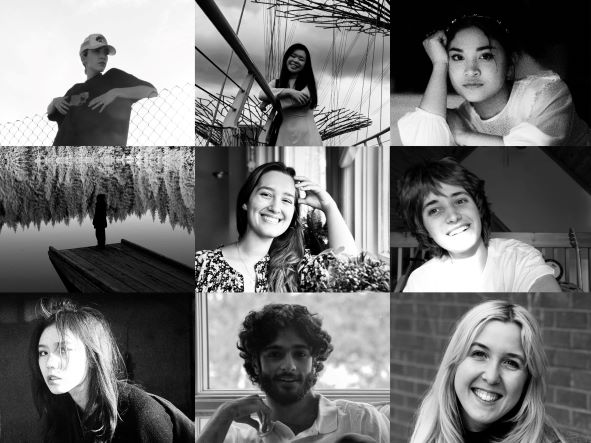
Chelsy Althea, Kasia Beloussov, Alissa Dawn, Angela Feng, Béatrice Langlois-Bettez, Vyom Malhotra, Maud Mostly, Maneesa Veerave, Muchen Zhou / 2021 / Canada / 60 mins
For the fifth consecutive year, If You Ask Me (IYAM) has supported emerging filmmakers with mental
health and/or addiction experiences to create new work. This year’s program features nine shorts by
filmmakers from across Canada.
These new films were developed in summer 2021 under the guidance of Helena Morgane and IYAM alumni and mentors Malaika Athar, Hanna Donato, Samyuktha Movva, and Shubhi Sahni. Over three
months, filmmakers have strengthened their knowledge of film in the company of peers and industry
guests. Rendezvous is excited to screen these distinctly personal works created during extraordinary circumstances.
JOIN THE CONVERSATION: FILMMAKING NOW
The world has changed substantially since the initial planning of If You Ask Me 2021. This year’s
cohort of filmmakers adapted their practices to ever-changing conditions. Join the Q + A session
to learn how recent events informed the production of their films and hear their predictions on
how this time will shape the future of film.
Keywords: Addiction | Trauma | Youth
ALSO OF INTEREST
Trauma-Informed Boundary Setting and Conflict Resolution
This workshop will be a hands-on, participant-focused learning about and practice with boundary setting and addressing conflict. As we build skills for boundary setting, we do so understanding boundary-setting and -maintaining can sometimes be particularly challenging for those of us with lived experience of trauma. In pairs and small groups we will assess, understand and make note of where we are each at with different types of boundaries in our lives. We will then practice communicating them. We will also use real-life case examples to explore how to address boundary-crossing conflicts, both when they come up and how we may prevent them. Key workshop techniques practiced will be:
- Understanding & setting different types of boundaries
- Assertive communication paired with active listening
- Calling-In
- De-escalation
Sheila
Wilmot, Ph.D.
Facilitator
Sheila has been engaged in collaborative consulting work with arts organizations since 2014, in the intersecting areas of conflict resolution and equity-focused practice. Topics have particularly included an attention to whiteness and racism. The work has included research, workshop design and delivery, training and policy guide development, and conflict mediation.
She teaches in the Community Engagement, Development and Leadership certificate program at Ryerson University (The Chang School). She is the Subject Matter Expert for the Community Engagement Practices and Capstone courses she has taught since 2013.
She was the staff Equity Officer for a union Local for almost 14 years. She successfully negotiated equity-related contract provisions, and effectively represented union members in human rights focused- grievances and complaints.
Sheila holds a PhD in Adult Education and Community Development from OISE/University of Toronto (2011). She is also the author of Taking responsibility, taking direction: White anti-racism in Canada (Arbeiter Ring, 2005).
- February 11, 1:00-4:30 pm
- on Zoom
Cost
General: $50
Workman Arts Members: FREE
Workman Arts Community Partners: $25
If you are a member, please email Justina Zatzman at justina_zatzman@workmanarts.com to receive a coupon code.
If you are a community partner, please email Kais Padamshi at kais_padamshi@workmanarts.com to receive a coupon code.
Once you register, you will receive an automatic confirmation of your registration by email. Following this, you will receive an email confirming your registration in the Zoom session. This email will include the link to join the workshop.
BROWSE CURRENT EVENTS
No recommended events under this criteriaTrauma-Informed Boundary Setting and Conflict Resolution
This workshop will be a hands-on, participant-focused learning about and practice with boundary setting and addressing conflict. As we build skills for boundary setting, we do so understanding boundary-setting and -maintaining can sometimes be particularly challenging for those of us with lived experience of trauma. In pairs and small groups we will assess, understand and make note of where we are each at with different types of boundaries in our lives. We will then practice communicating them. We will also use real-life case examples to explore how to address boundary-crossing conflicts, both when they come up and how we may prevent them. Key workshop techniques practiced will be:
- Understanding & setting different types of boundaries
- Assertive communication paired with active listening
- Calling-In
- De-escalation
Sheila
Wilmot, Ph.D.
Facilitator
Sheila has been engaged in collaborative consulting work with arts organizations since 2014, in the intersecting areas of conflict resolution and equity-focused practice. Topics have particularly included an attention to whiteness and racism. The work has included research, workshop design and delivery, training and policy guide development, and conflict mediation.
She teaches in the Community Engagement, Development and Leadership certificate program at Ryerson University (The Chang School). She is the Subject Matter Expert for the Community Engagement Practices and Capstone courses she has taught since 2013.
She was the staff Equity Officer for a union Local for almost 14 years. She successfully negotiated equity-related contract provisions, and effectively represented union members in human rights focused- grievances and complaints.
Sheila holds a PhD in Adult Education and Community Development from OISE/University of Toronto (2011). She is also the author of Taking responsibility, taking direction: White anti-racism in Canada (Arbeiter Ring, 2005).
- January 21, 1:00-4:30 pm
- on Zoom
Cost
General: $50
Workman Arts Members: FREE
Workman Arts Community Partners: $25
If you are a member, please email Justina Zatzman at justina_zatzman@workmanarts.com to receive a coupon code.
If you are a community partner, please email Kais Padamshi at kais_padamshi@workmanarts.com to receive a coupon code.
Once you register, you will receive an automatic confirmation of your registration by email. Following this, you will receive an email confirming your registration in the Zoom session. This email will include the link to join the workshop.
BROWSE CURRENT EVENTS
No recommended events under this criteriaa note from Oliver Jane, Creator of Jo Don’t Go There
Sometimes the “show must not go on” and that’s ok.
When I made the decision to not move forward with my piece Jo Don’t Go There in Rendezvous with Madness 2020, I was encouraged by my friend and contact at Workman Arts to write a short reflection for all of you in lieu of the show. Here you will find some rambling, musing, and reflecting. Thank you for taking a brief moment to reflect with me.
When I agreed to move forward with the project several months ago, I was excited by the challenge of transferring my live performance pieces to video web content. Unfortunately, I found that meeting the demands of a precarious/always changing pandemic environment made completing the project difficult. I am an artist that lives with chronic pain, Rheumatoid Arthritis, PTSD symptoms, and OCD symptoms. The greatest lesson I have learned from managing all of these is that I should not go beyond my limits. Unfortunately, working in solo-isolation and not having funding to adequately compensate others to do the much-needed-tasks to make this project show-ready was bringing me close to my limits.
Since I made the choice to pause the show, the phrase “the show must go on” has been echoing through my mind. Upon reflecting on the nagging presence of this phrase within my mind, I recall that I have, almost exclusively, operated within creative environments where that sentence is espoused. I have worked in so many creative environments where the expectation to see a show to its completion is demanded of artists, producers, and production teams: no matter the cost. My years training to be an artist and working professionally have been colored by watching many friends and colleagues sacrifice their physical and mental health to see work to its completion. For many years I have wondered if creative communities should let go of the phrase “the show much go on” and refrain from normalizing the practice of sacrificing physical and mental wellness amongst artists. What I have witnessed in theatre schools and amongst theatre makers has made me consciously attempt to avoid working myself beyond my limits so that I do not worsen my already-sometimes-very-challenging health.
So I say once again, to comfort myself and to encourage those who find themselves also facing projects, businesses, and plans that need to be put on pause, closed, or canceled as a result of the pandemic: “the show must not go on” and that’s ok.
I’d like to offer gratitude to the team who has assisted me during this process. Though the show will not be viewed in this festival, I am continuing the reflect on and develop the body of work I have made thus far. I feel I must offer my deep gratitude to all those who gave me their time and talents.
- I am grateful for the opportunity to collaborate with my older brother, a very skilled video editor, who has been a cherished peer, mentor, and teacher (of art and life) for these last several months.
- I am grateful to the handful of talented musician friends who were willing to do some work on this project for free, for very low fees, or for barter.
- I am grateful to Workman Arts for supporting me as I adjusted the show to the changes brought about by the pandemic. This is my second experience working with Workman Arts, and I cannot emphasize enough how much I appreciate the work Kelly, Scott, Cara, Paulina, and the rest of the team working behind the scenes at Workman Arts do to make this really special festival happen. And during a pandemic, no less!
- Finally, I am grateful for organizations like Workman Arts that are actively striving to foster greater diversity of representation within the Ontario and Toronto creative community. I hope you all will continue to support and patronize Workman Arts even after the festival has passed.
I hope you enjoy the rest of the festival, you remember to stay safe, you do what you can to support and aid the most vulnerable in our communities, you donate to groups and organizations that are trying to address the already existing racial and economic inequality within North America that has been exacerbated by the pandemic, and you all focus your energies on taking care of your immunity and your mental health while the world faces global crisis. I know I will!
I send love and gratitude to you all.
-Oliver Jane
goat(h)owl theatre / Lead Artist, Performer, Creator, Writer: Oliver Jane / Collaborator, Performer: Leah Pritchard / Collaborator, Performer: Jillian Rees-Brown / Video Collaborator, Editor: Jon Jorgensen
GENRE: MULTIMEDIA, PERFORMANCE ART, THEATRE
TOPIC: ACTIVISM, ANXIETY, BI-POLAR DISORDER(S), DEPRESSION, DISABILITY, FAMILY, PSYCHIATRY, RACISM, SCHIZOPHRENIA, SEXUAL ASSAULT, SEXUAL VIOLENCE, SUICIDE, TRAUMA
Enter the mind of Jo, a nonbinary trauma survivor, video artist and clown. Meet Jo’s consciousness embodied: their performative imaginary friend Oli Oli Ennui, a snarky clown who doesn’t take all this modern art stuff too seriously. If you know Jo’s personal story (hailing from NYC, navigating OCD and PTSD while occupying space in Toronto during the pandemic), do you know Jo? If you hear Oli sing punk-injected cabaret, do you know their soul? Experience Jo’s multimedia happening: a video series, music playlists, Instagram uploads, photo exhibition and a live installation performance at 651 Dufferin Street. This collection of fragments resonates in permanent refrain: Do you know me now?
Founded by Maria Wodzinska and Oliver Jane in 2017, goat(h)owl generates collaboratively devised experiences. Grounded in the body, at the core of every piece is a question. We take flight through our investigation of the thematic territory, of our position to the question, and of our will-to-know. We attempt to affirm the unknowable with proposals — playing in-front-of/with/around an audience. We want to shake up sedimented modalities of meaning and truth-telling with our moving ensemble. We point the eye to the kaleidoscope of forms created. Do we invite the audience to make meaning? Yes. Do we make meaning? Come and see.
CONTENT WARNINGS
Loud Sounds, Mature Language, Nudity, Rape and/or Sexual Violence, Sexual Content, Suicide
ALSO OF INTEREST
THIS PROJECT IS PART OF THE RE:BUILDING RESILIENCE EXHIBITION.
Creator: Laura Shintani / A/V: Grant Padley
GENRE: INSTALLATION, INTERACTIVE
TOPIC: ACTIVISM, ADDICTION, ANXIETY, BI-POLAR DISORDER(S), BIPOC EXPERIENCE, COMMUNITY, DEPRESSION, DISABILITY, FAMILY, HARM REDUCTION, LGBTQ2S+, PSYCHIATRY, SCHIZOPHRENIA, SEXUAL ASSAULT, SEXUAL VIOLENCE, SUICIDE, TRAUMA, YOUTH
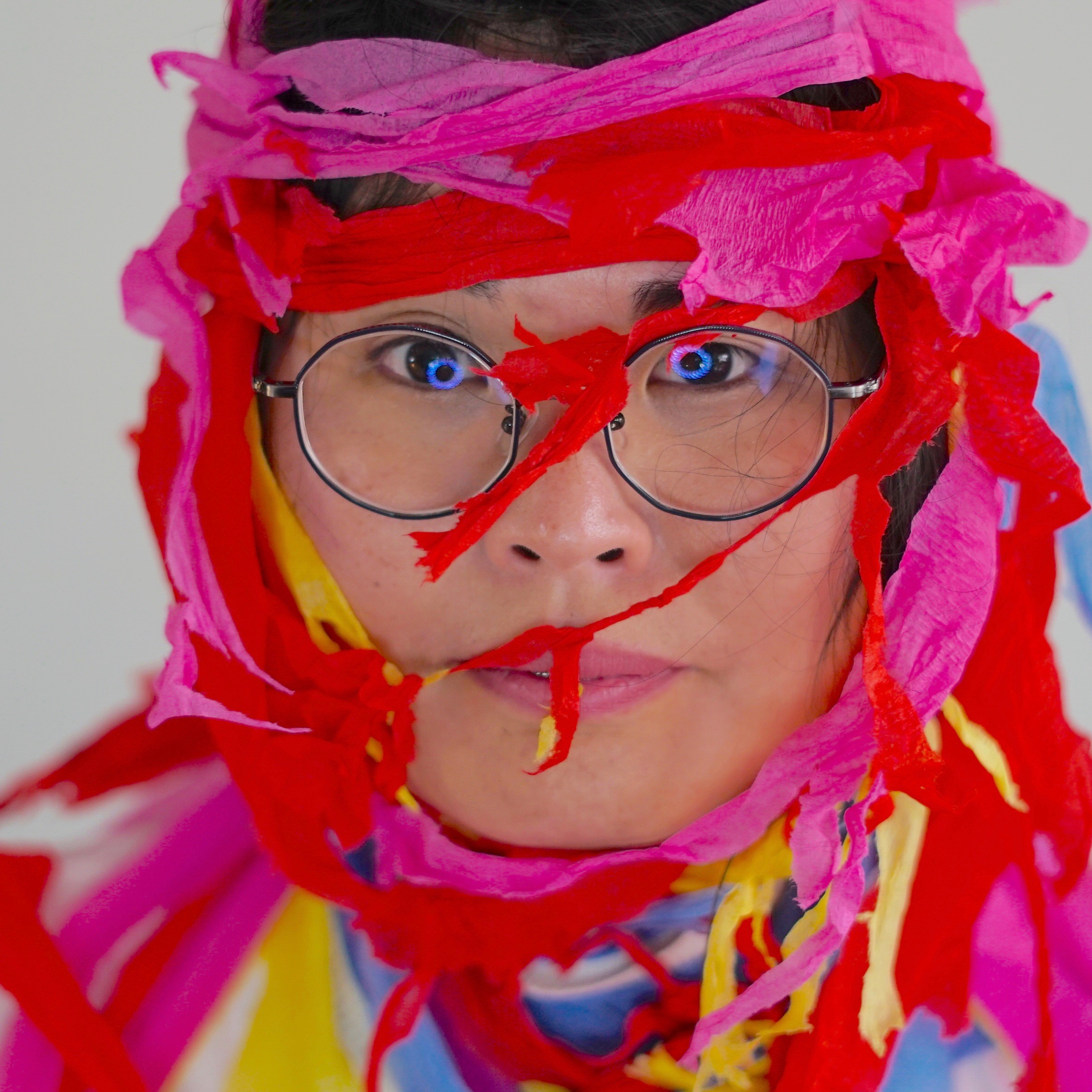
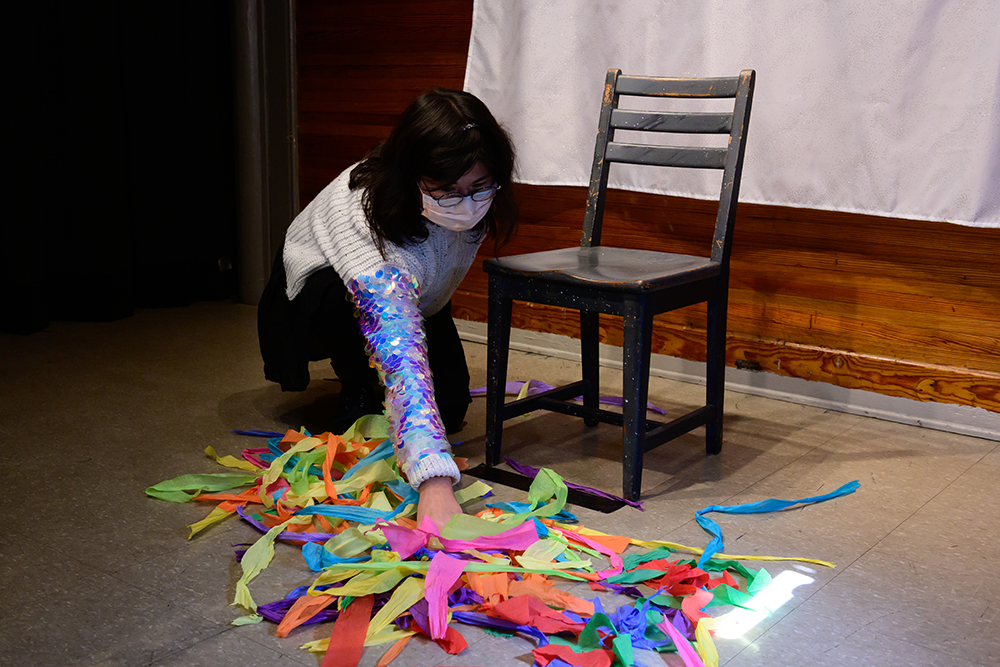
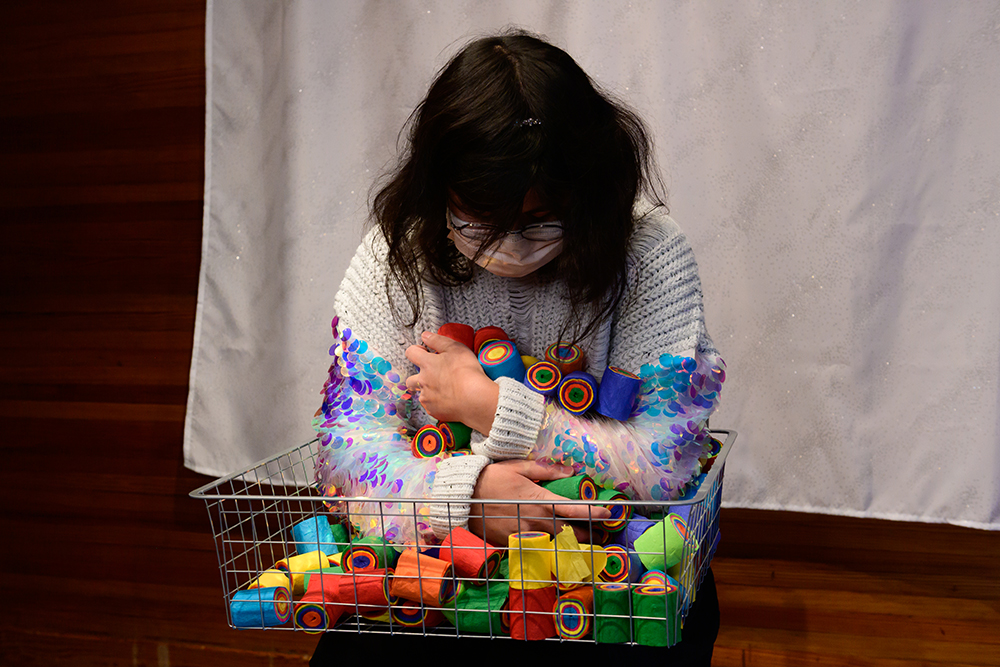
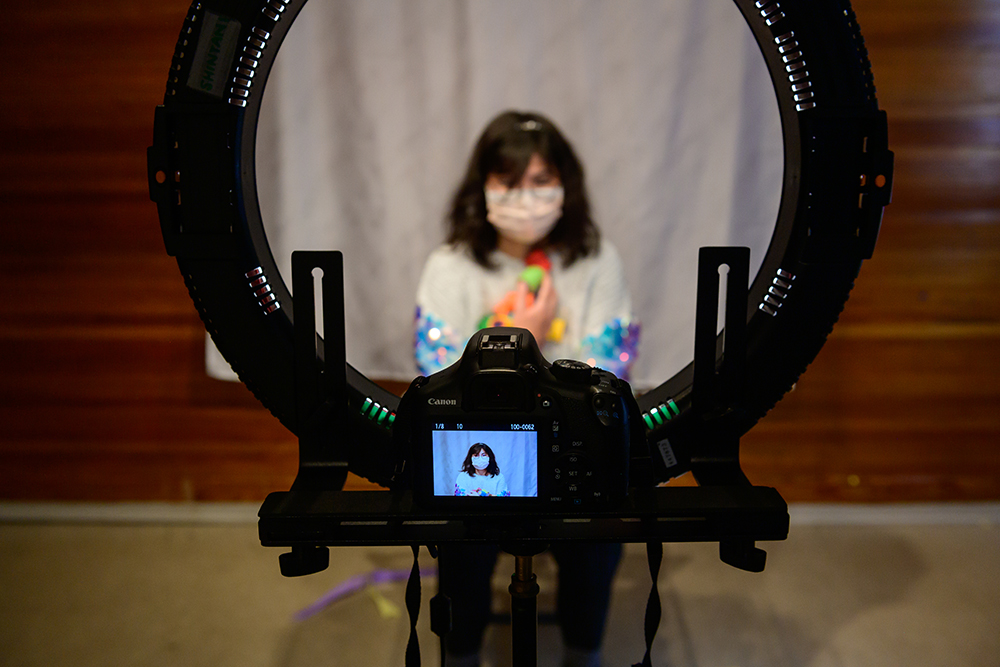
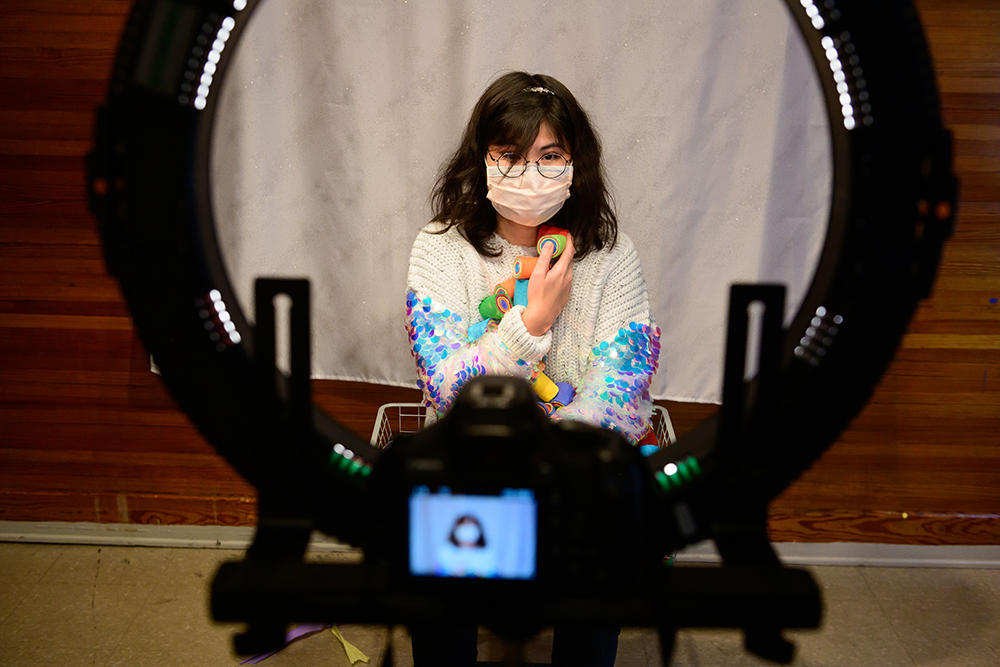
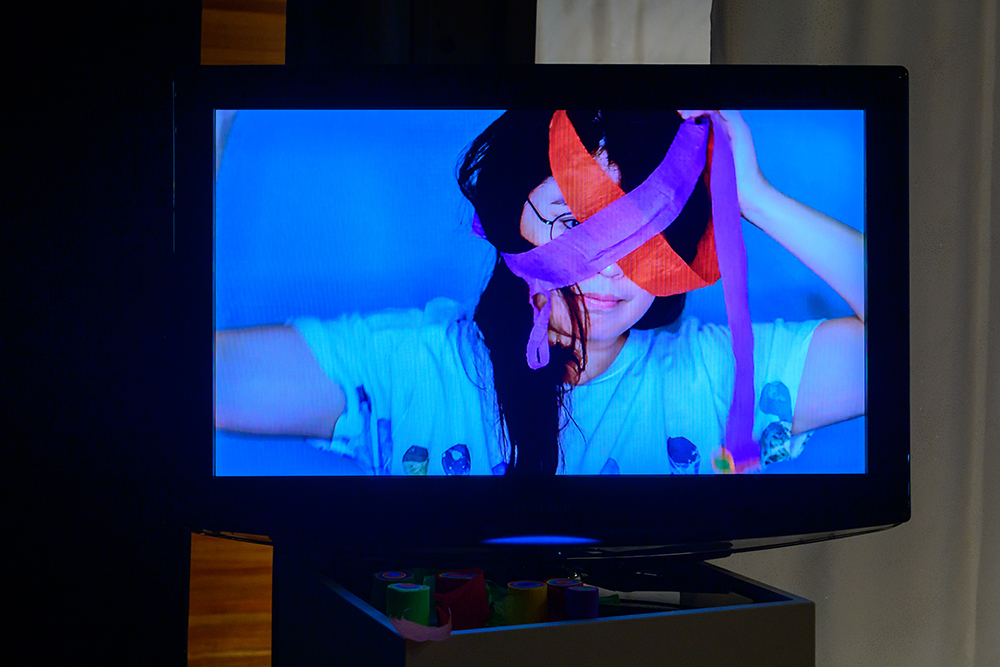
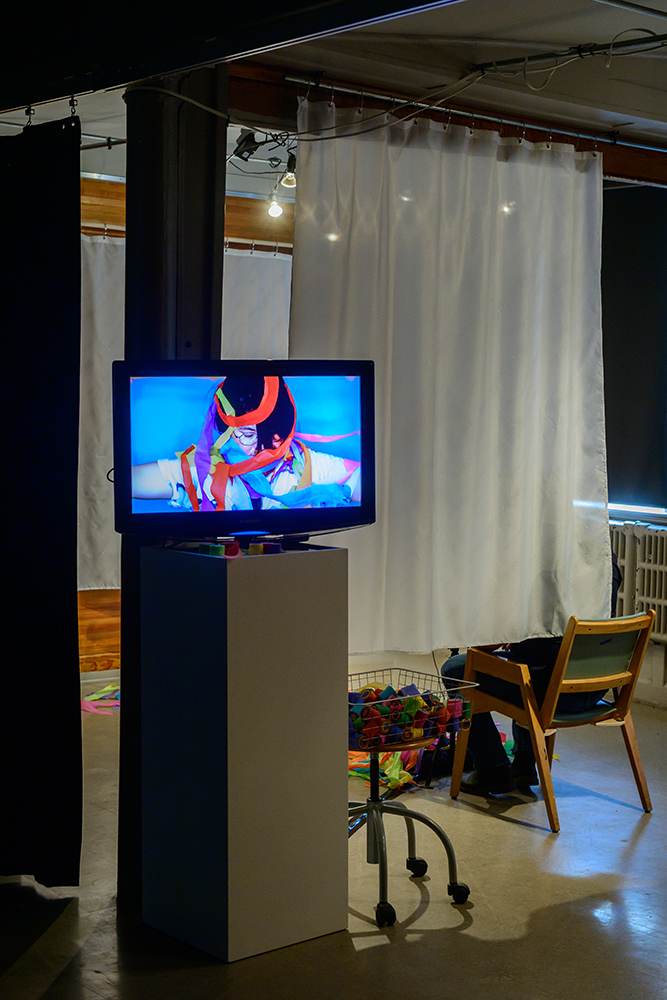
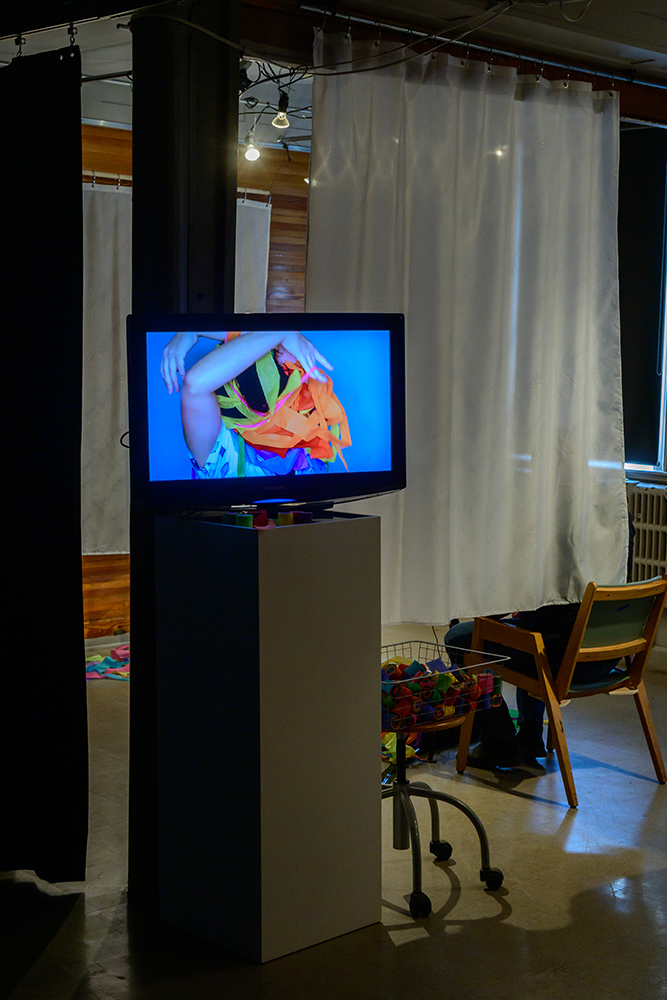
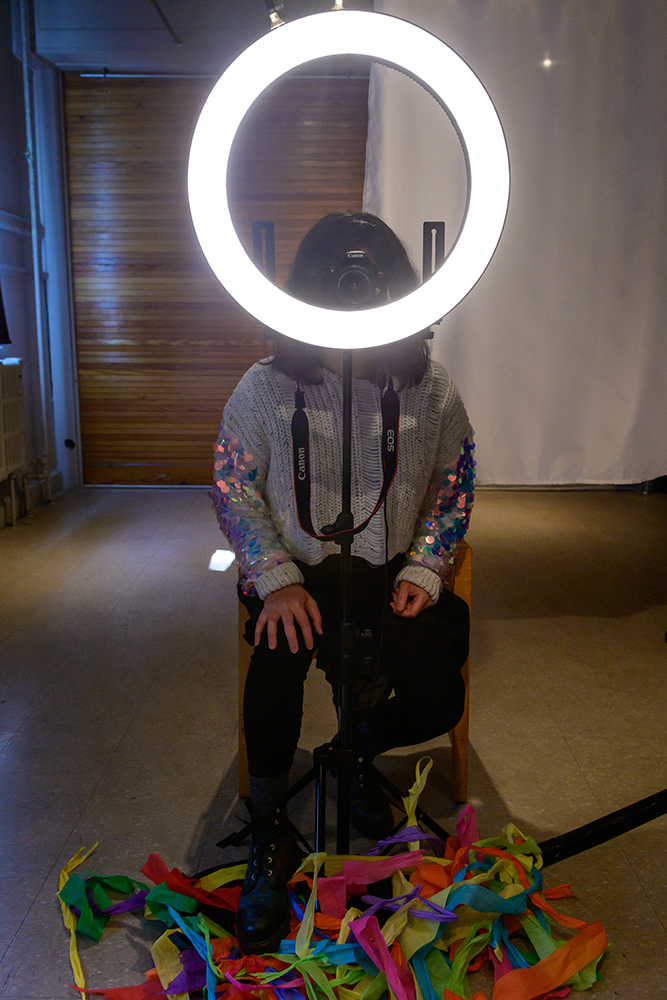
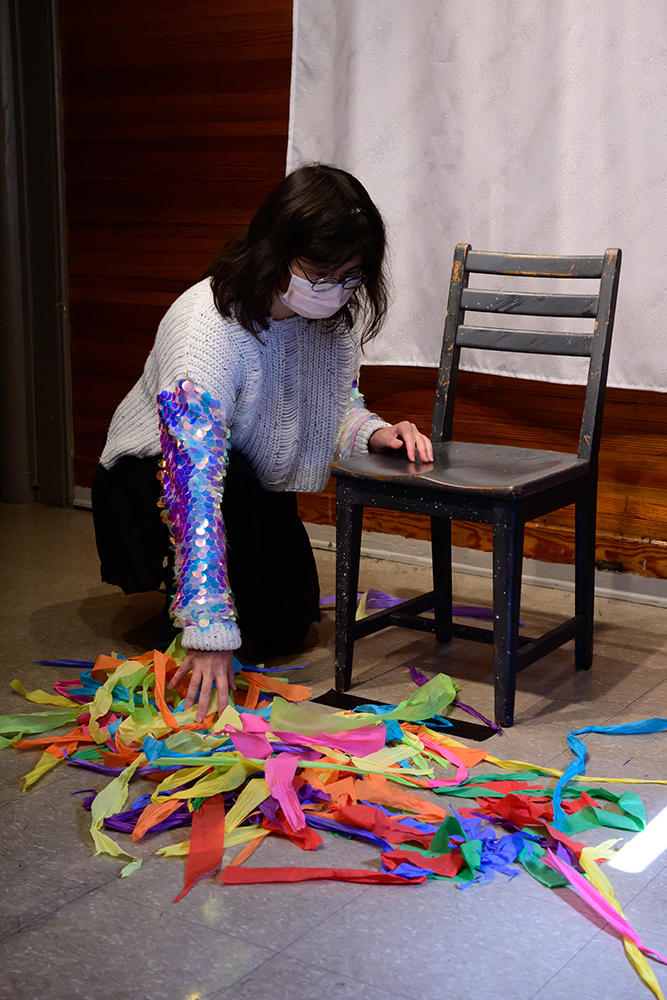
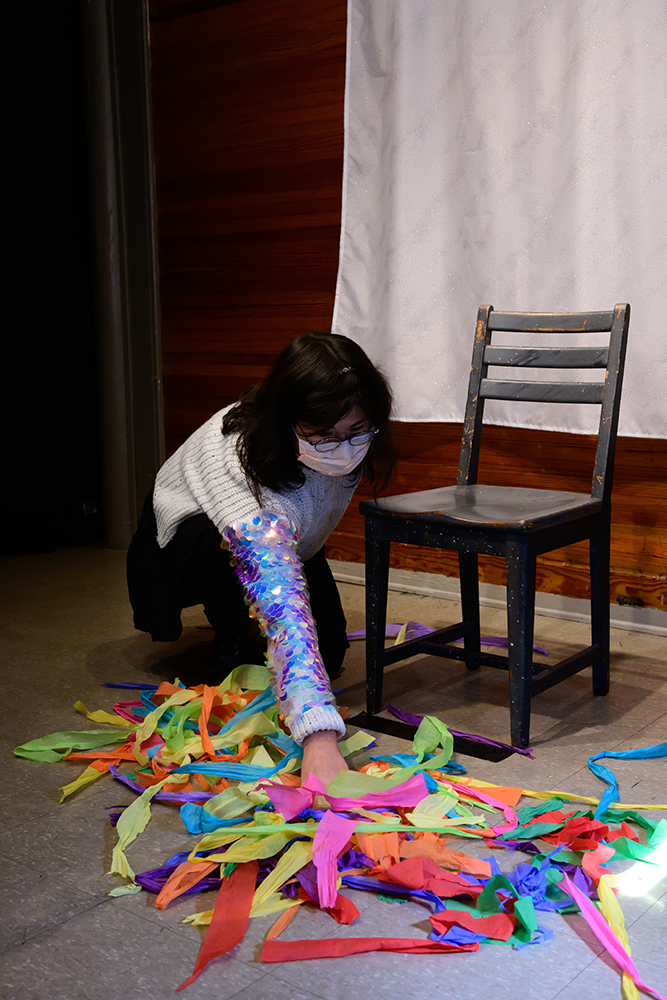
Neuroelastic is a self-activated artistic performance. Taking a cue from the well-known concept of Dr. Norman Doidge’s neuroplasticity, it is inspiring that the mind can adapt in new ways. The artist imagined an idea; by wrapping oneself in streams of coloured synaptic “bandages” this symbolic act can allow thoughts and feelings to show on the outside. Using photography as documentation, a capture of the moment reveals what is hidden. This artwork of self-permission reflects on not only the unseen being seen, but that it can be changed. This collection of images I hope can read as a zany family album of the mind. Neuroelastic is an interior selfie and an invitation to an altered way of being.
Laura Shintani is a Toronto-based multimedia artist who creates work in order to provoke questions in artistic forms. Shintani represents a hybrid of work, art making, study and teaching. She is interested in seeing people embrace the cycle of creativity: playing, problem solving and reflecting. Raised in small-town Ontario, Shintani later studied fashion design at Ryerson University and received a degree from the University of Toronto. After personal discovery she made art a vocation and earned a Master of Fine Art from the University of Windsor. Shintani’s most significant exhibition was at the Royal Ontario Museum in 2019.
This artist has interactive materials which will be provided in the RWM swag bag in order to interact with their virtual content. All ticket holders will be invited to receive RWM swag bags available for free curbside pickup during festival hours.
Images of the Neuroelastic installation in Re:Building Resilience:

Photos by Henry Chang
Please Note: There is one virtual ticket available for the entire Re:Building Resilience Exhibition. Whether you’d like to see one project or all of them, you only need to book one ticket to access everything. The exhibition runs October 15-25, and all ticket purchasers will be sent a link to view the virtual content. Any ticket bought prior to October 15 will receive a follow up email on the 15th with the link.
ACCESSIBILITY
Self-Care Kits are available for free curbside pickup to ticket holders. Kits can be picked up from 651 Dufferin Street between the hours of 10AM-9PM, October 15-25. If pickup is not an accessible option for you, contact justina_zatzman@workmanarts.com for accommodation.
ALSO OF INTEREST
THIS PROJECT IS PART OF THE RE:BUILDING RESILIENCE EXHIBITION.
Lead Artist: Saba Akhtar
GENRE: INSTALLATION, MULTIMEDIA
TOPIC: ANXIETY, BIPOC EXPERIENCE, SCHIZOPHRENIA, TRAUMA
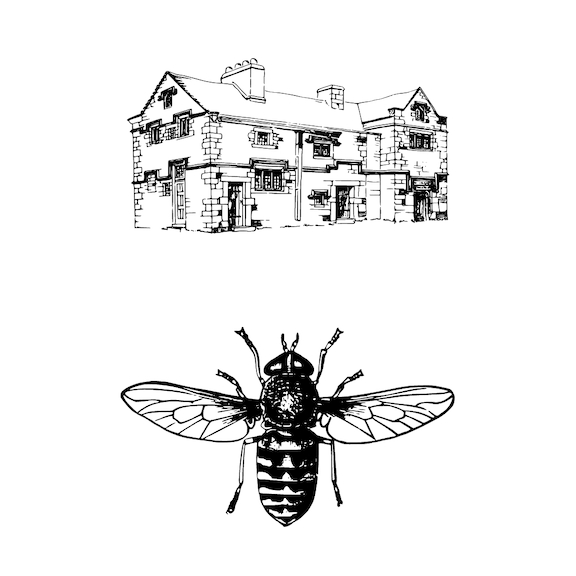
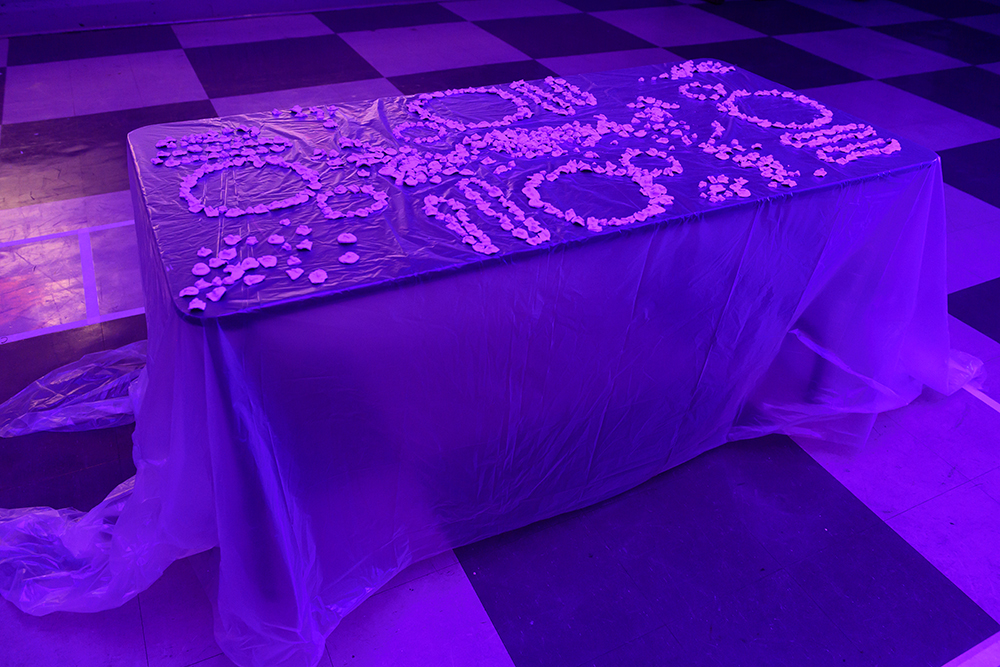
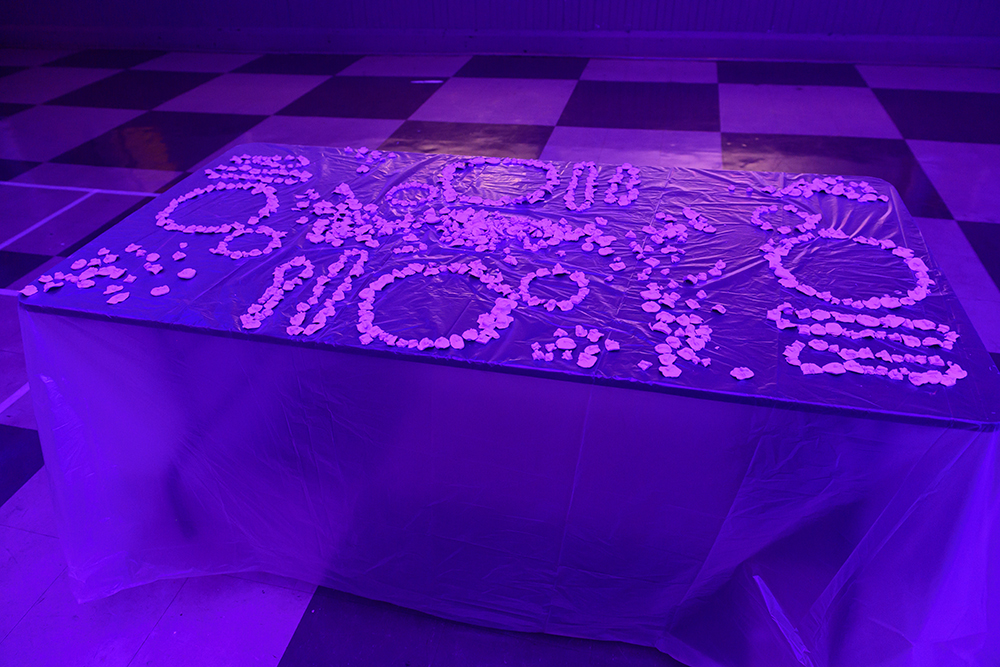
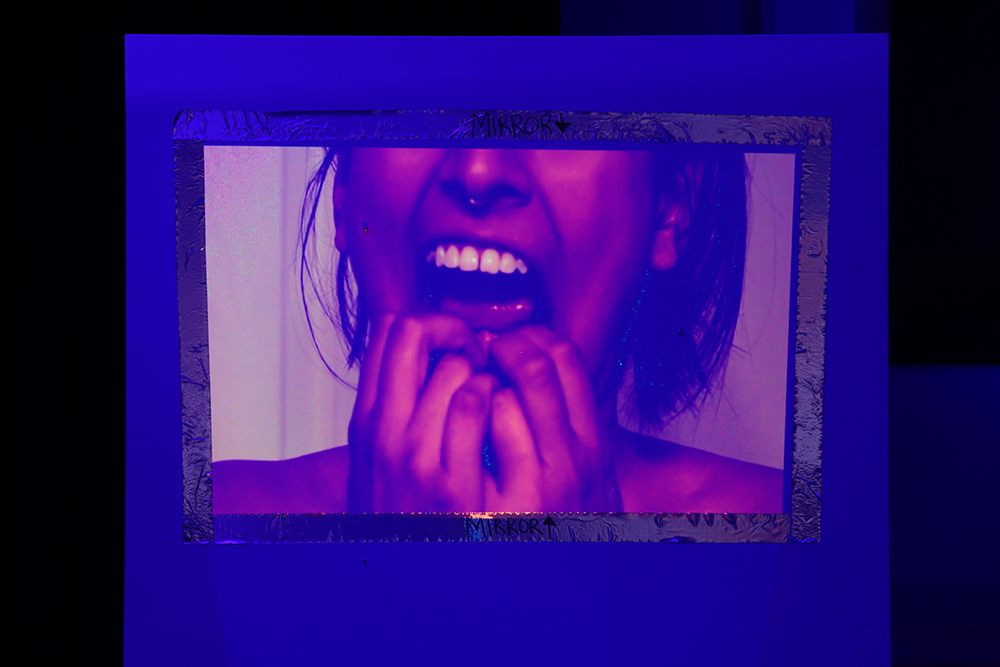
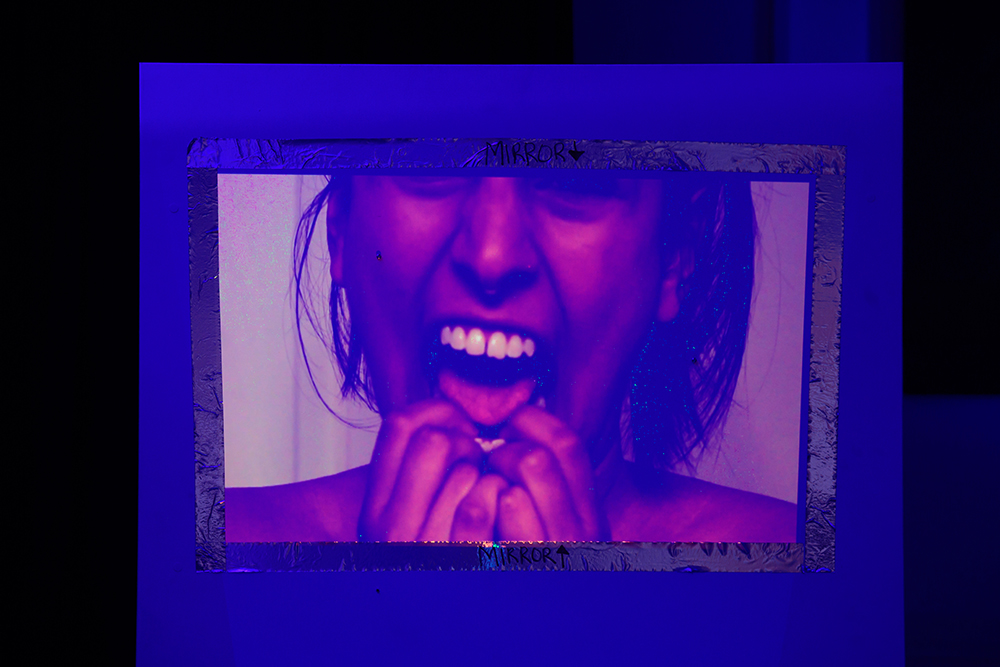
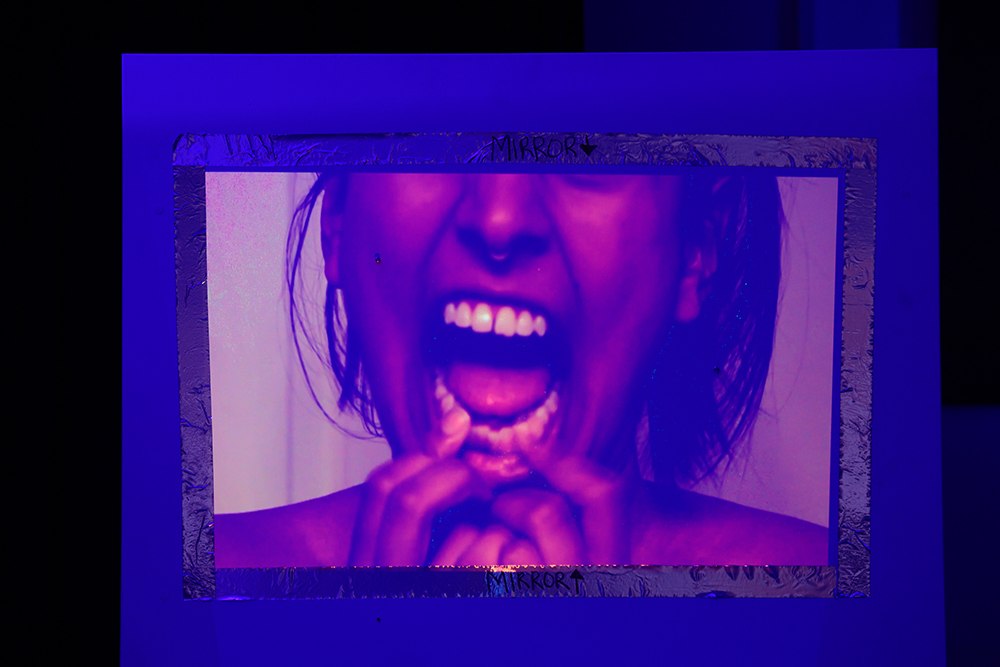
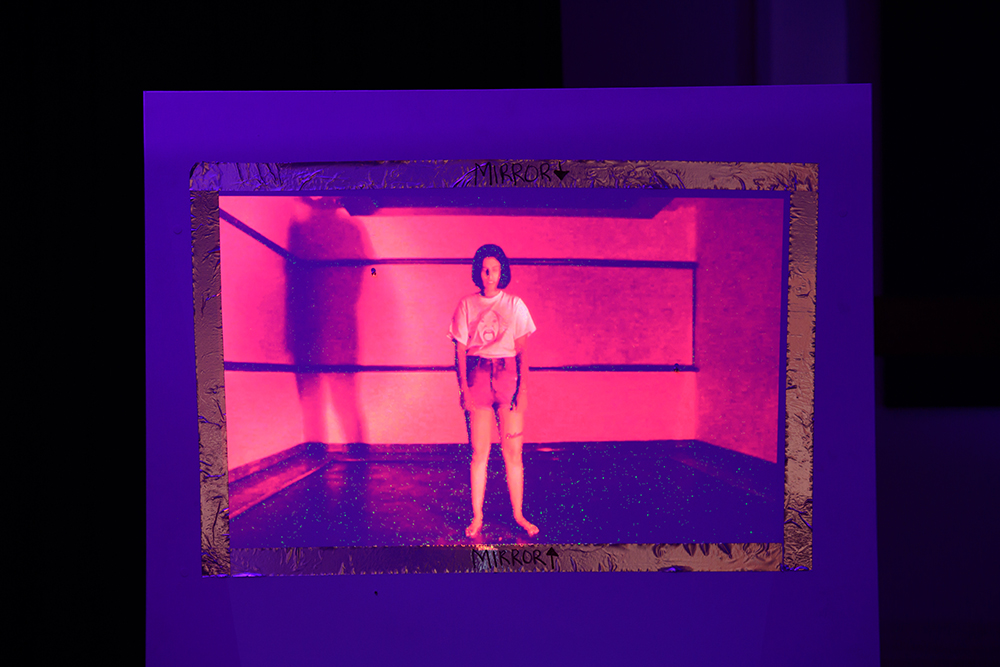
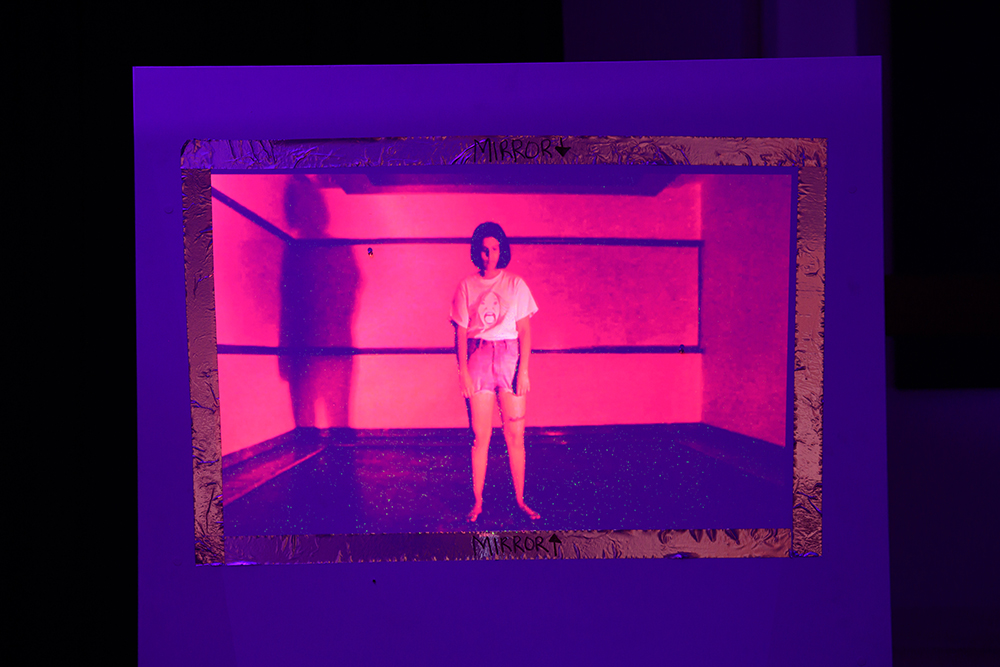
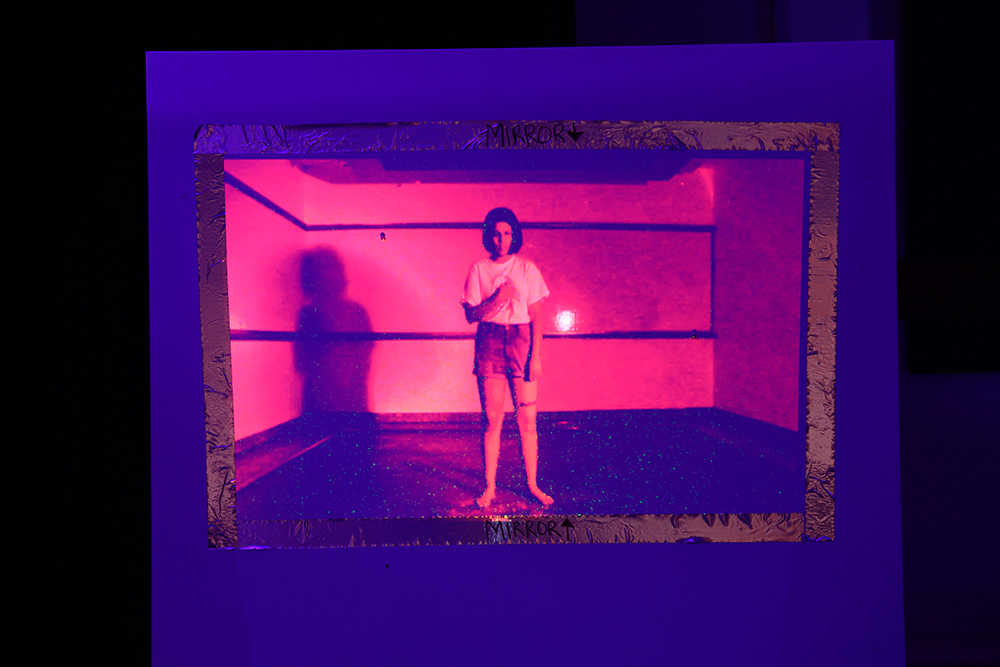
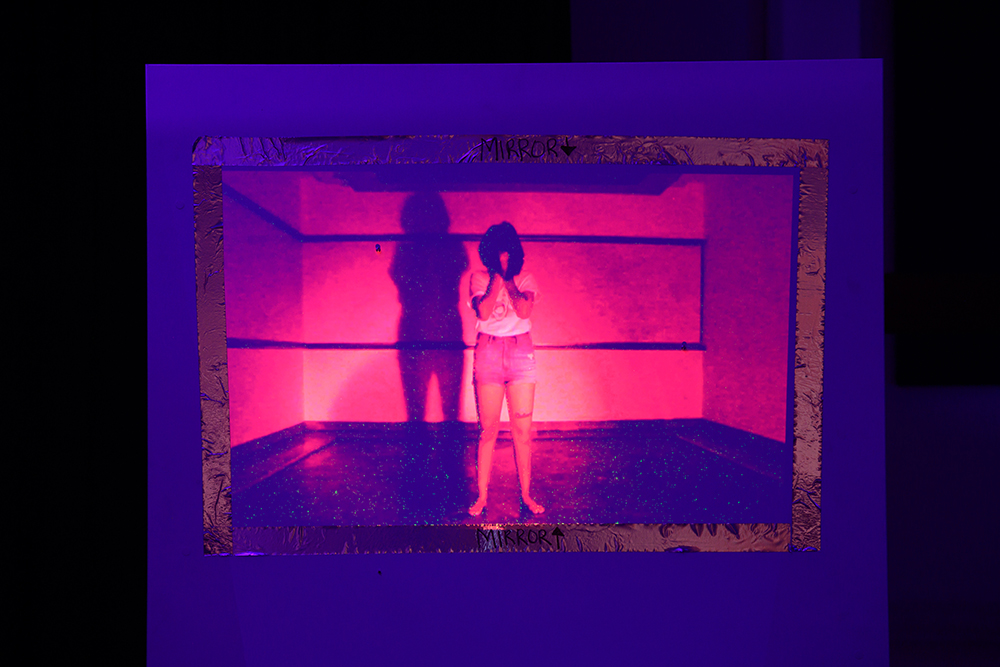
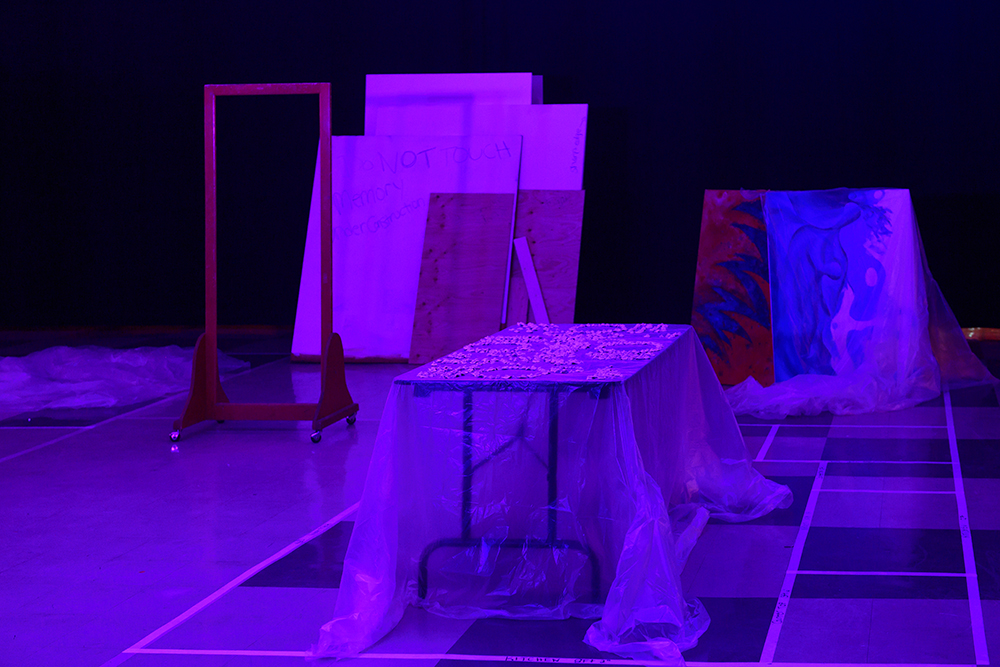
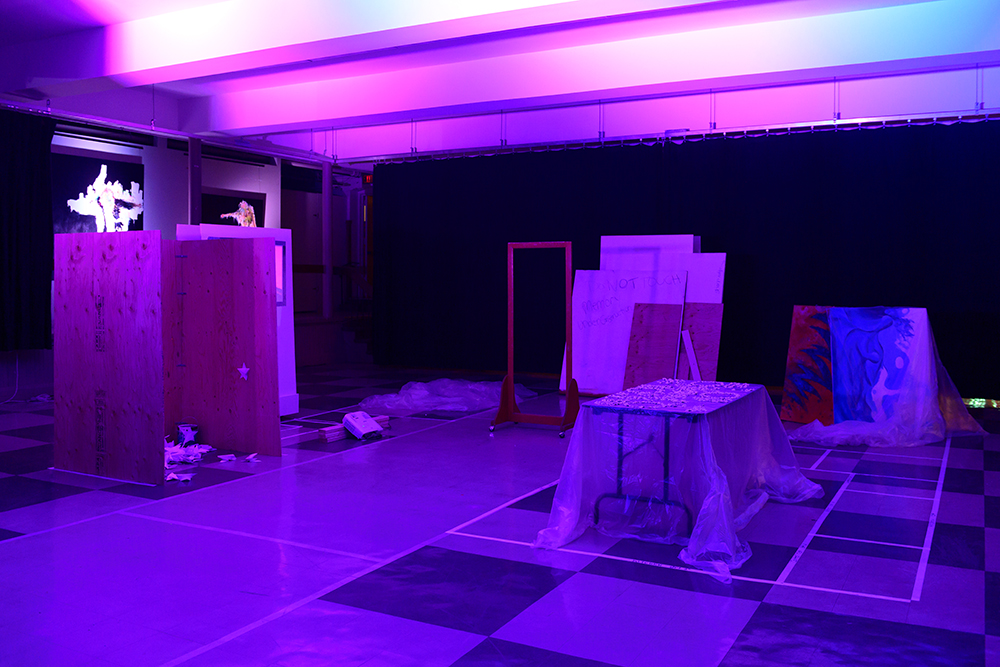
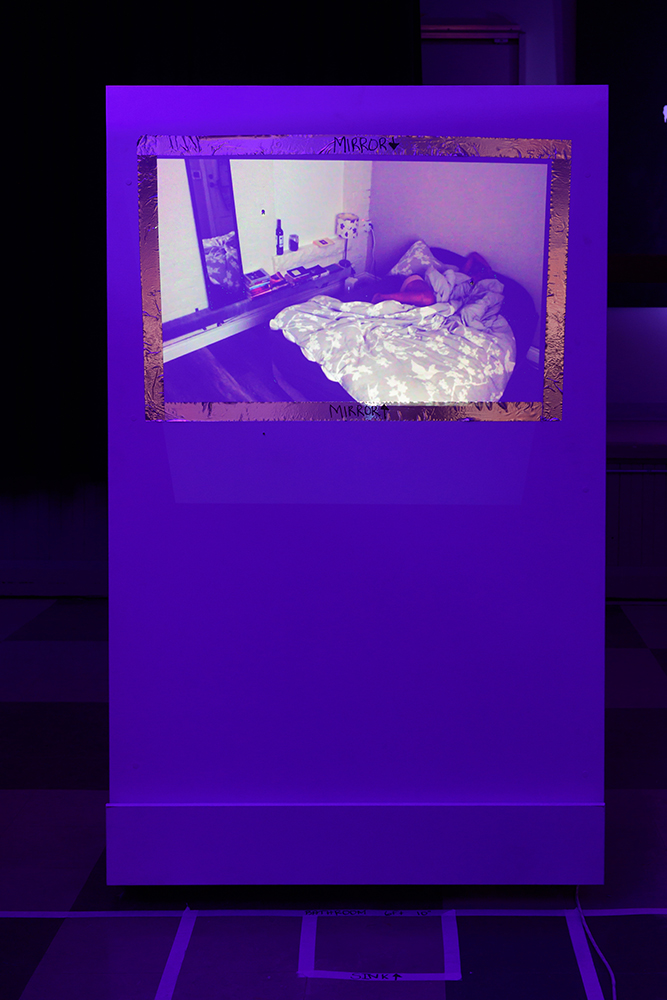
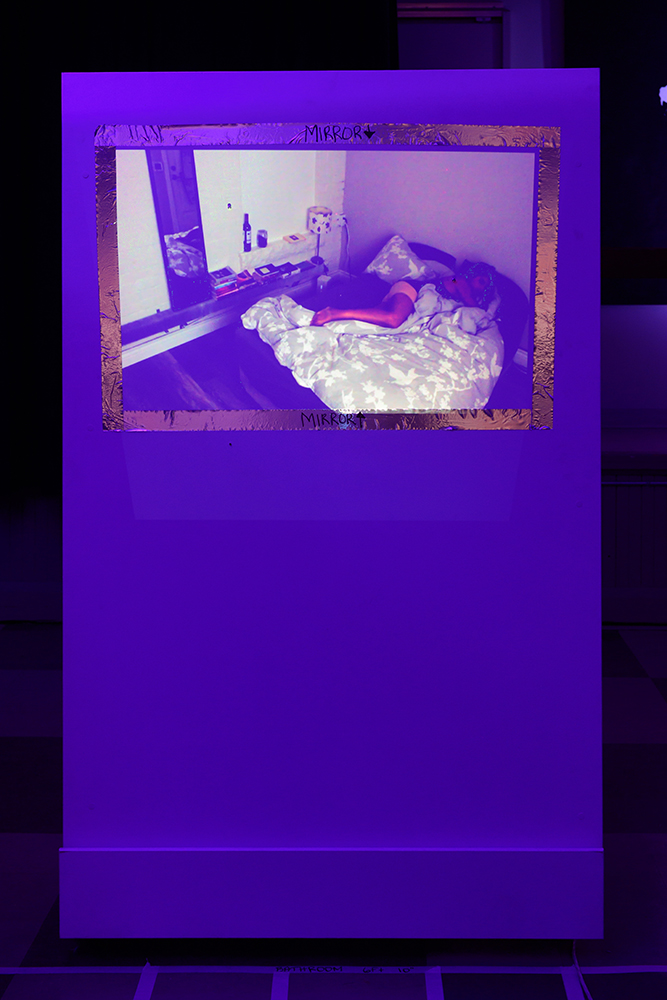
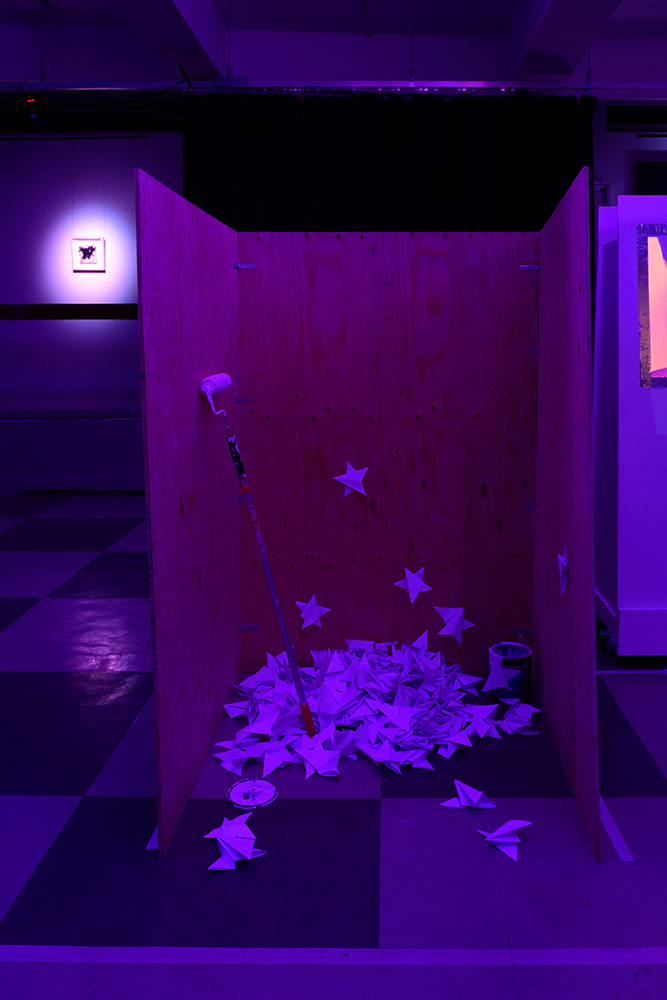
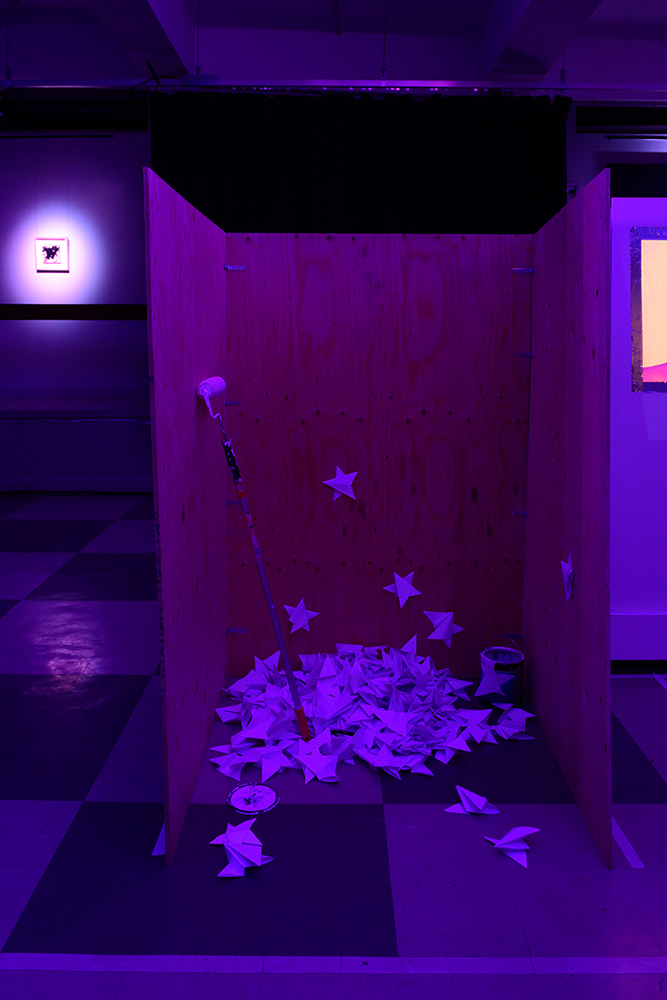
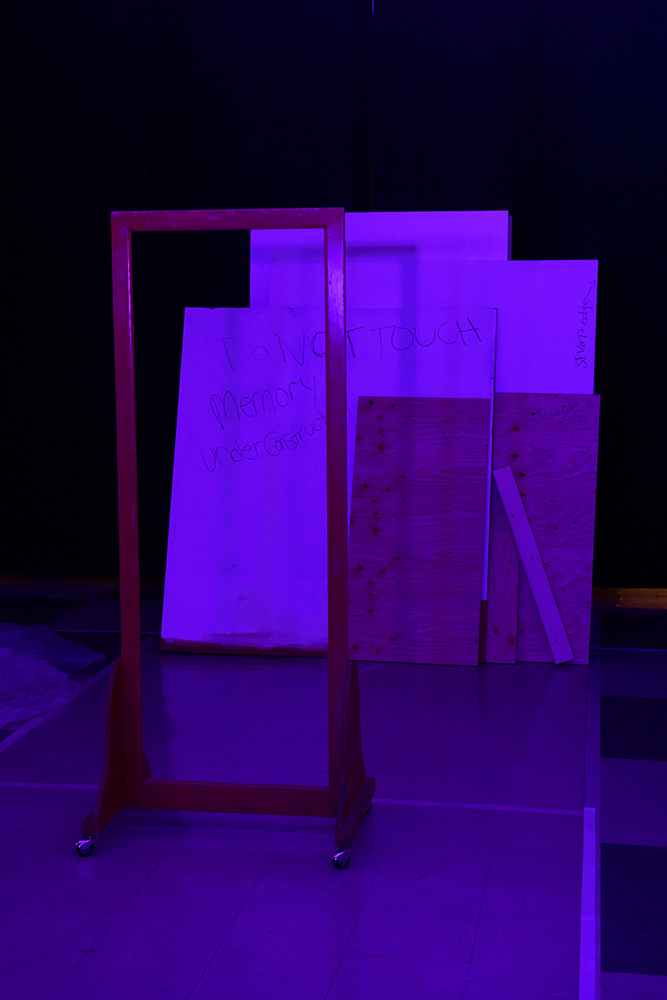
The Anatomy of A Home is a multi-media installation exploring a person’s relationship to home. Audiences are invited to walk through a blueprint of a house etched into the floor and observe the artifacts placed within. This is part of a larger performance project that explores Saba’s relationships to home and isolation, in her past and during COVID-19.
Special Thanks: Tijiki Morris & Jules Voderak-Hunter
Saba Akhtar is an interdisciplinary artist based in Toronto and raised in Houston, Texas. Her arts practice is focused on intergenerational trauma and grief. She exhibits this through multimedia design (installation, video, photo), playwriting and performance. Saba’s education has been heavily influenced by mentorship from peers and elders in her community. She has a deep passion for helping others share their story as well and has established a career in community-engaged arts as a facilitator and mentor in multiple organizations.
CONTENT WARNINGS
Violence
Images of the The Anatomy of a Home installation in Re:Building Resilience:


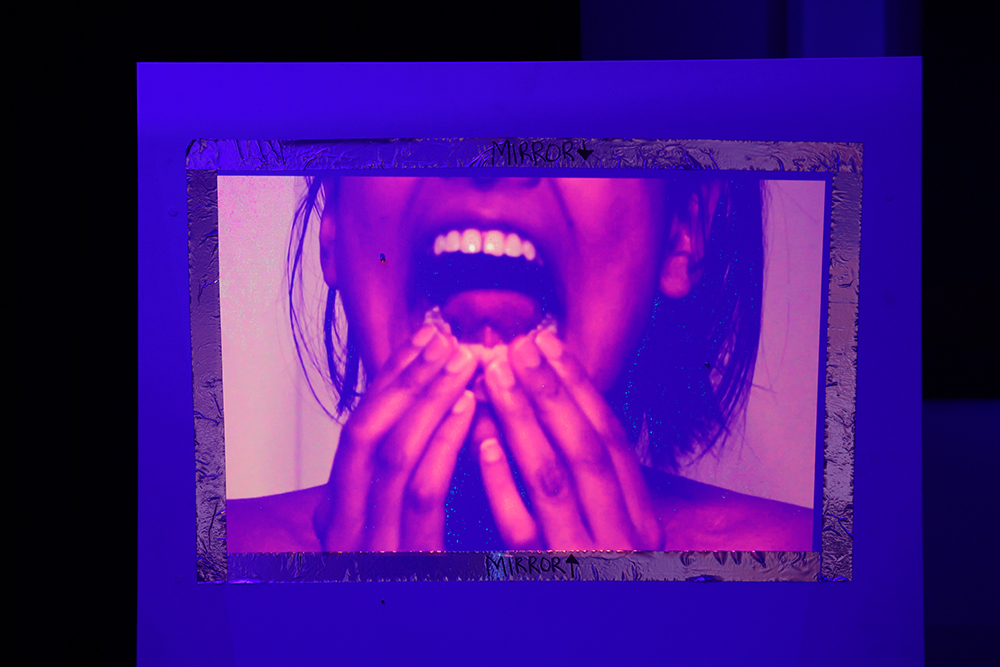
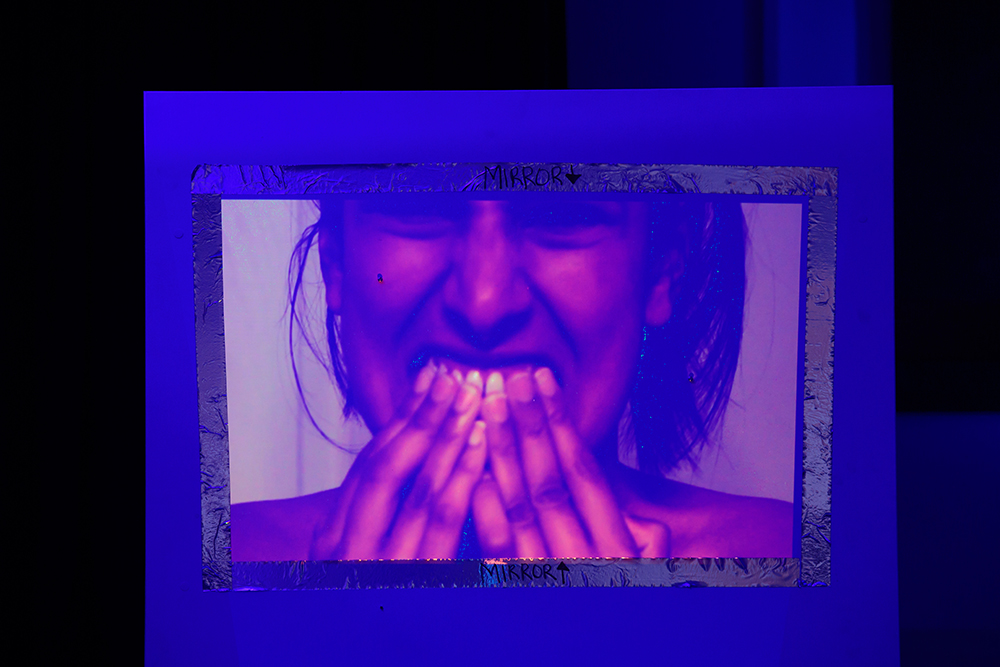
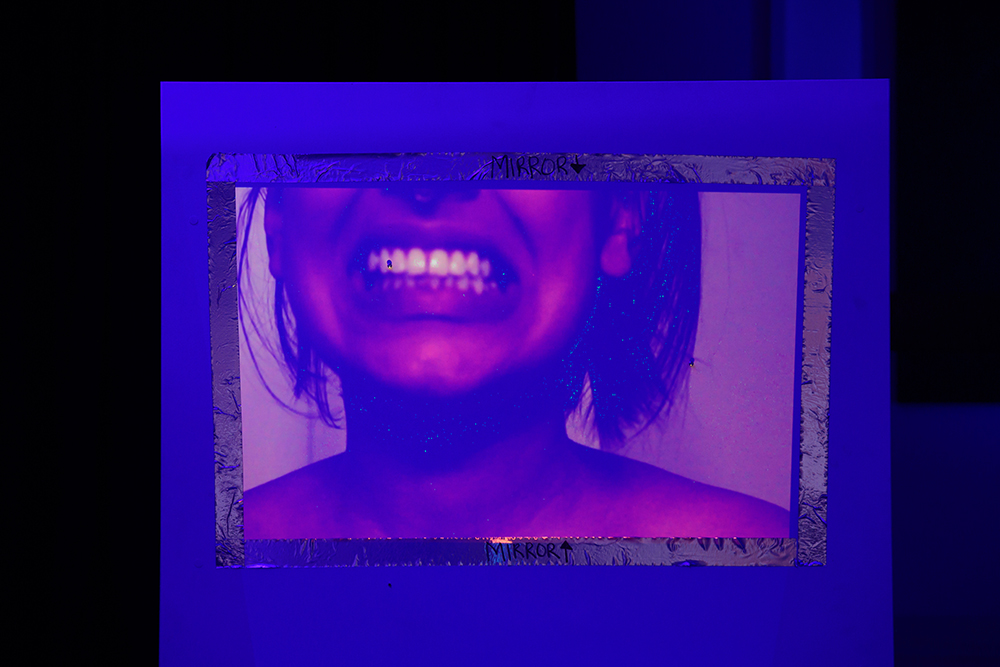
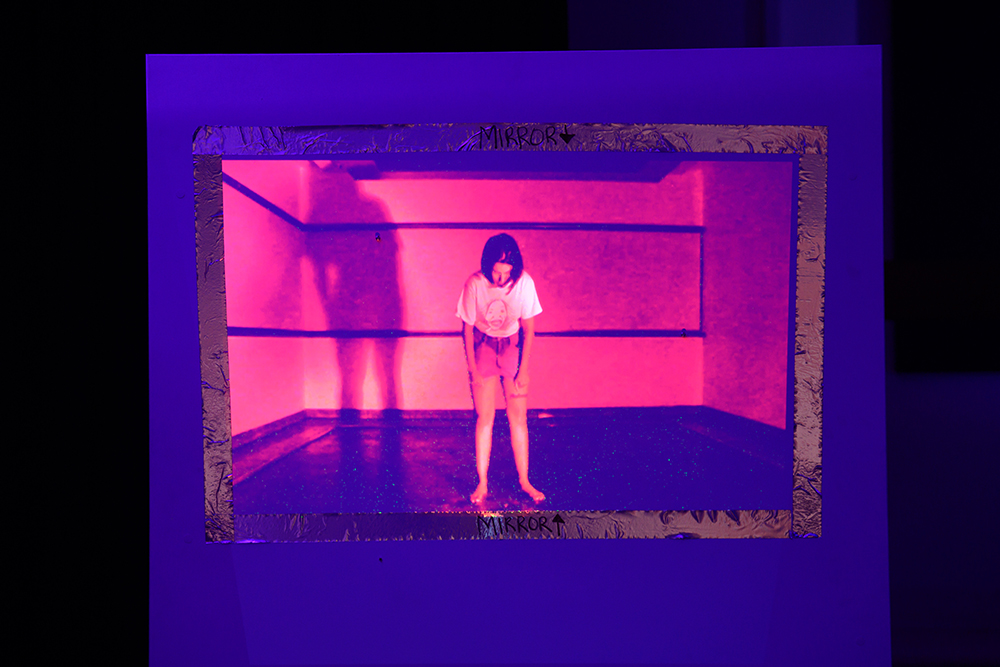
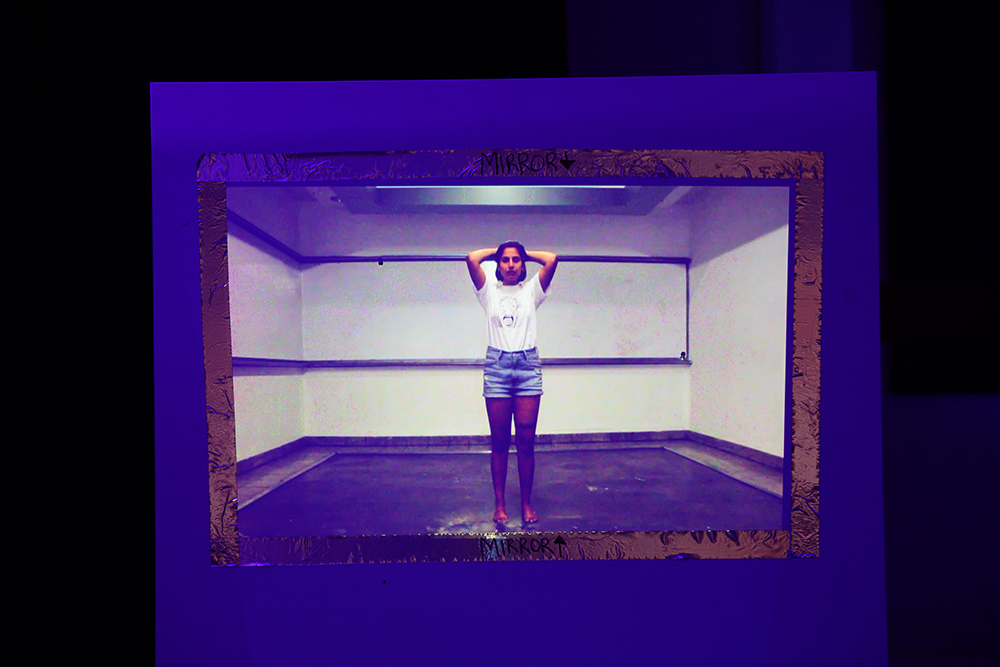
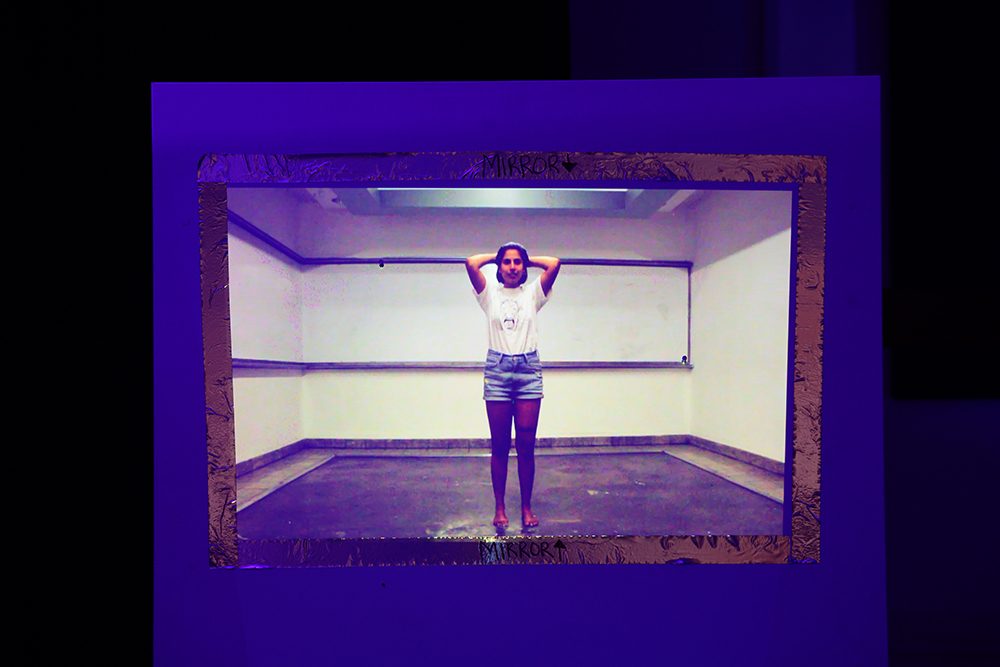
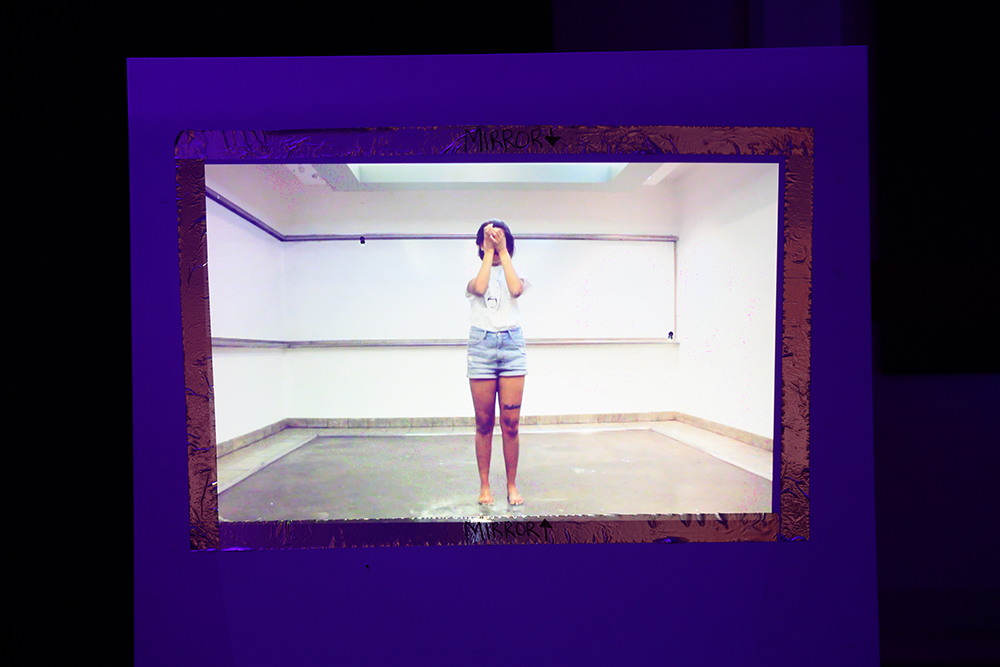
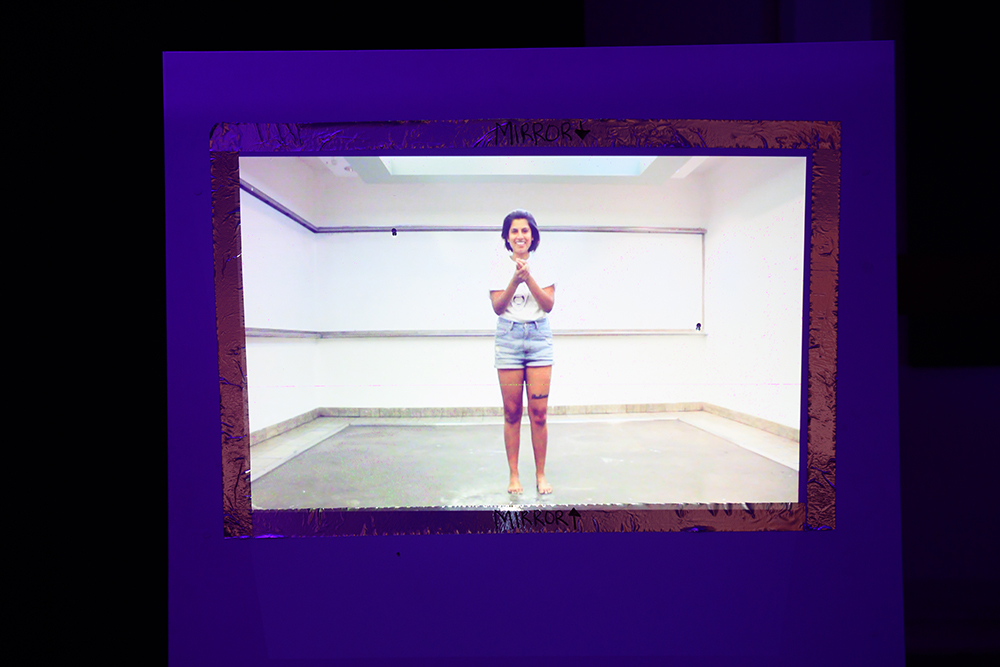
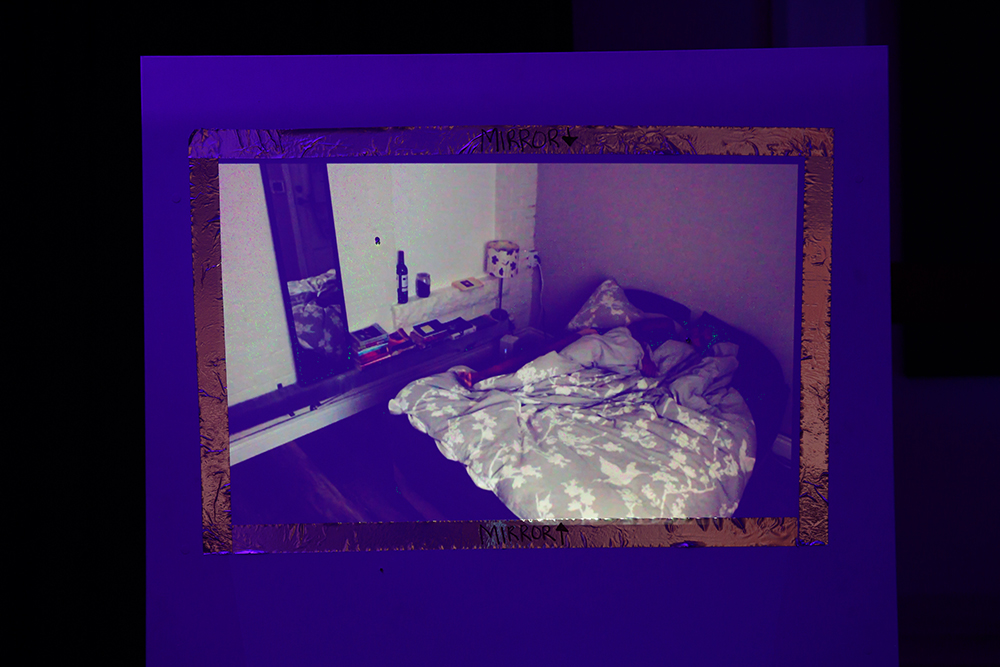
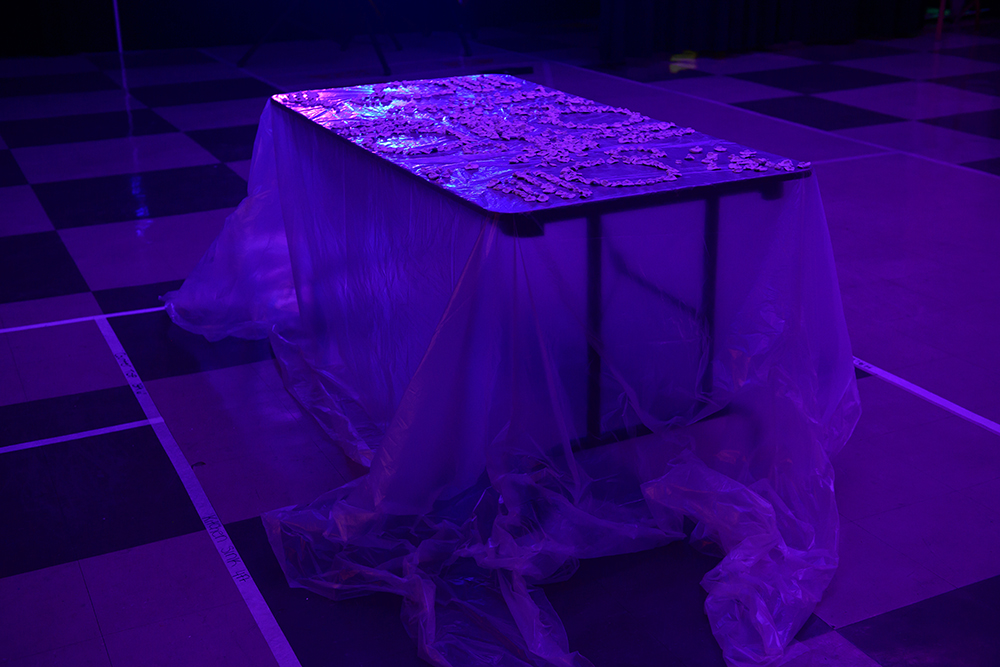
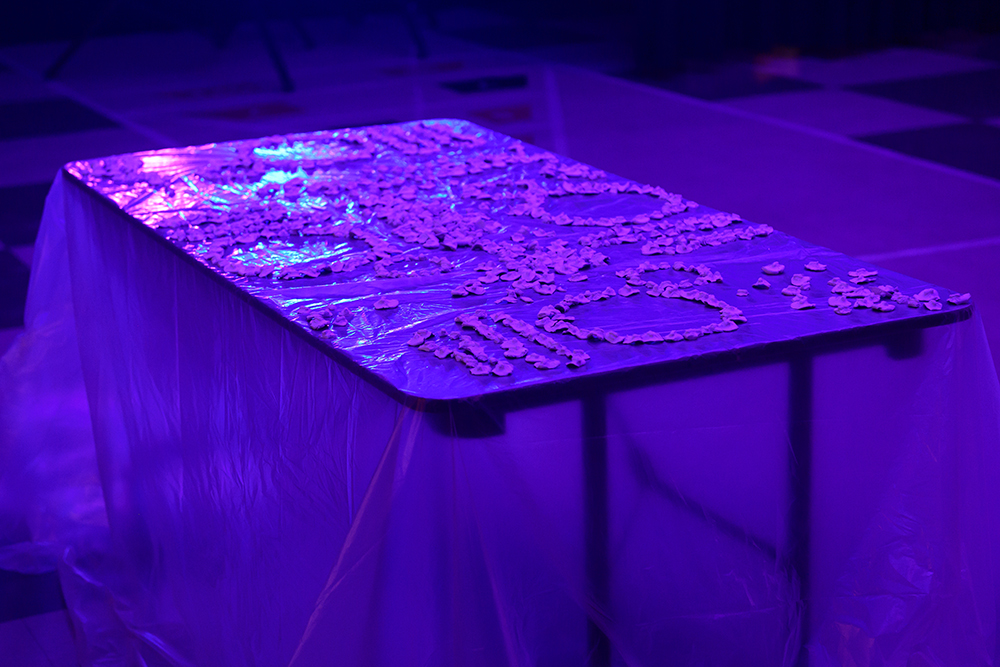
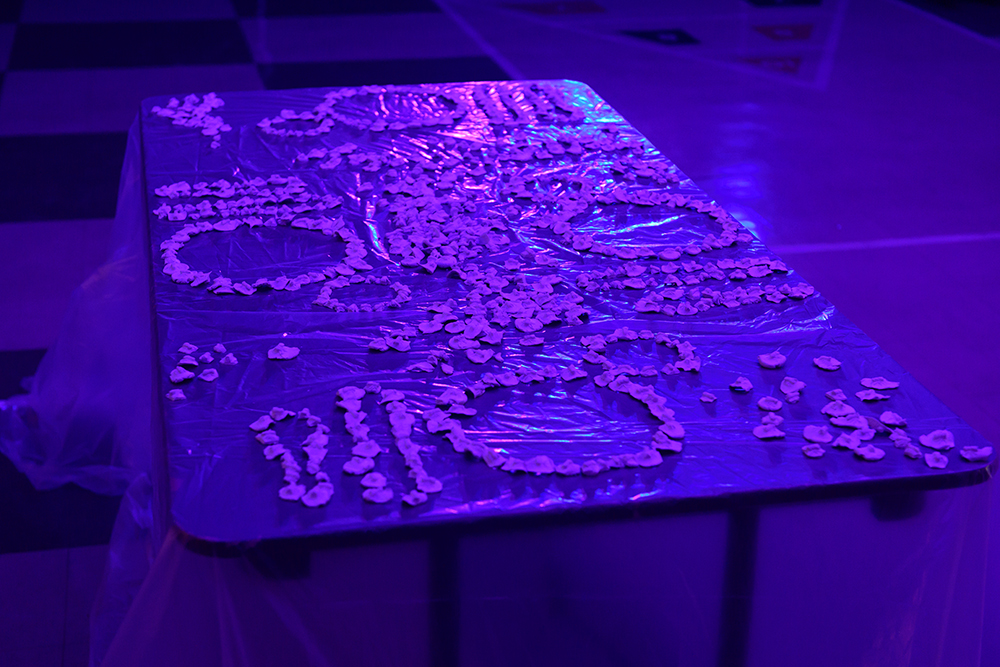
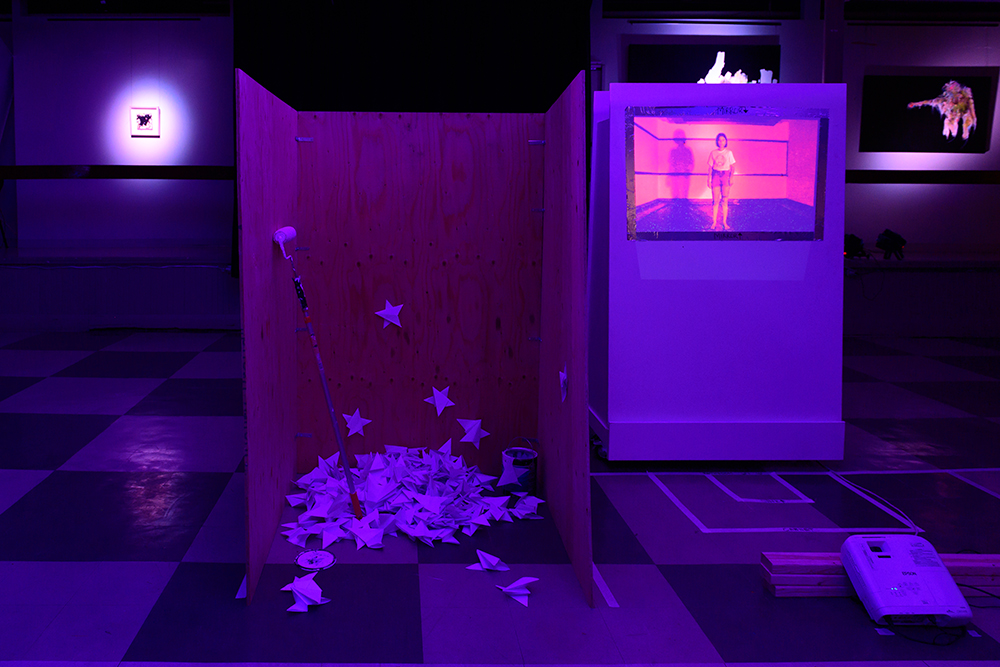
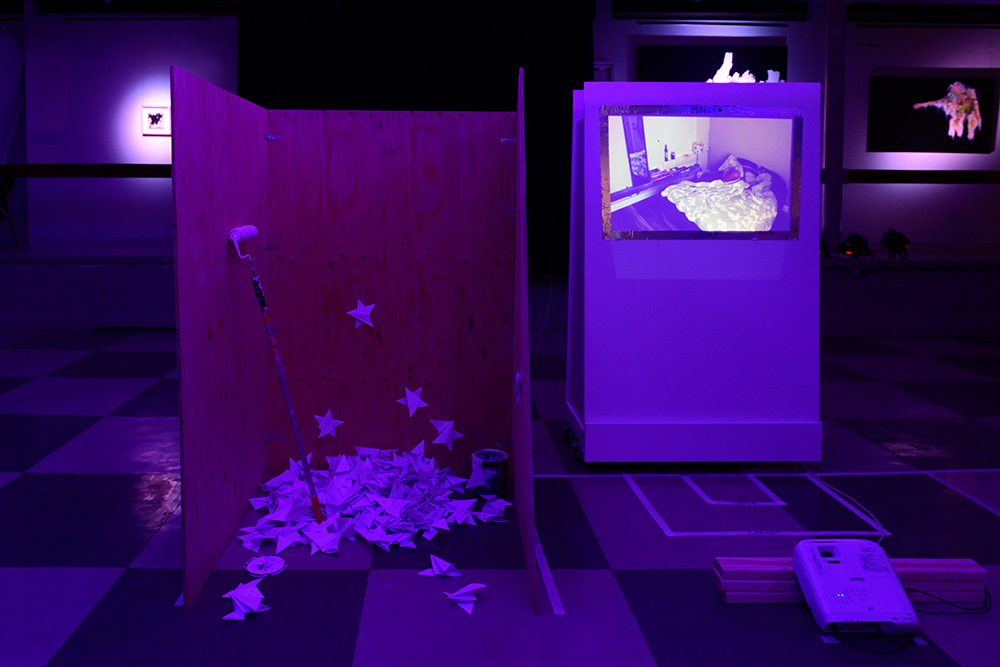
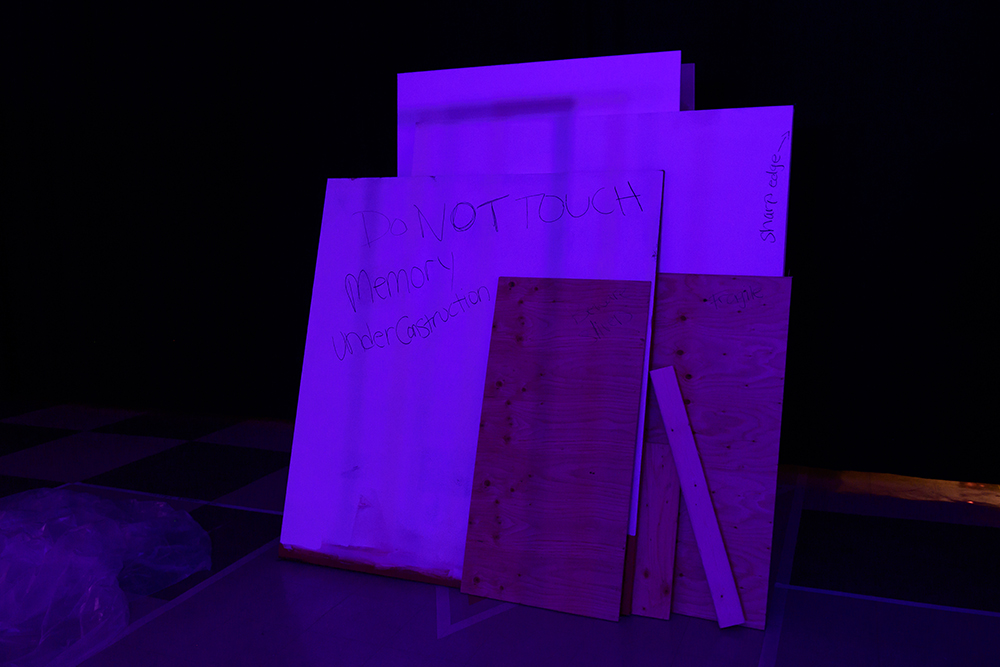
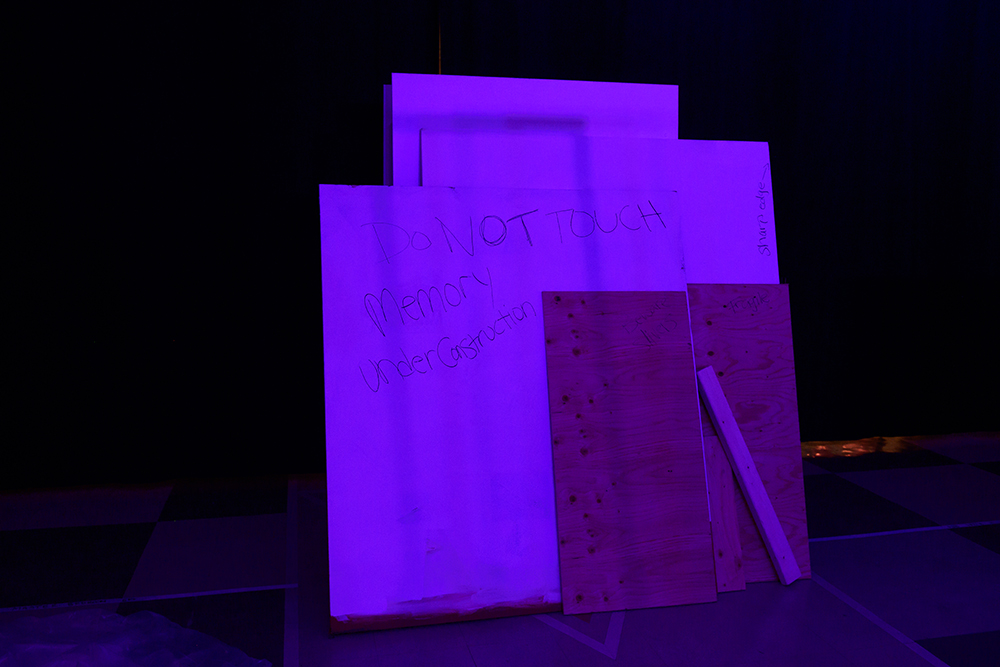

Photos by Henry Chang
Please Note: There is one virtual ticket available for the entire Re:Building Resilience Exhibition. Whether you’d like to see one project or all of them, you only need to book one ticket to access everything. The exhibition runs October 15-25, and all purchasers will be sent a link to view the virtual content. Any ticket bought prior to October 15 will receive a follow up email on the 15th with the link.
ACCESSIBILITY
Self-Care Kits are available for free curbside pickup to ticket holders. Kits can be picked up from 651 Dufferin Street between the hours of 10AM-9PM, October 15-25. If pickup is not an accessible option for you, contact justina_zatzman@workmanarts.com for accommodation.
ALSO OF INTEREST
THIS PROJECT IS PART OF THE RE:BUILDING RESILIENCE EXHIBITION.
Creator: Grey K P Muldoon
GENRE: VISUAL ART
TOPIC: AUTISM, DISABILITY, TRAUMA
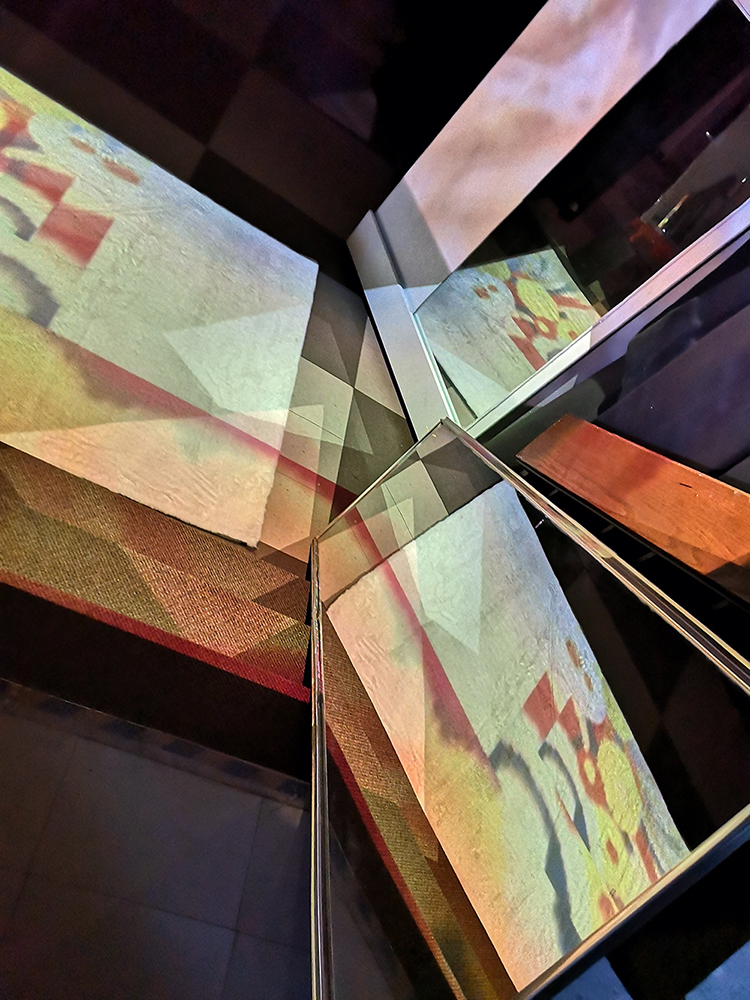
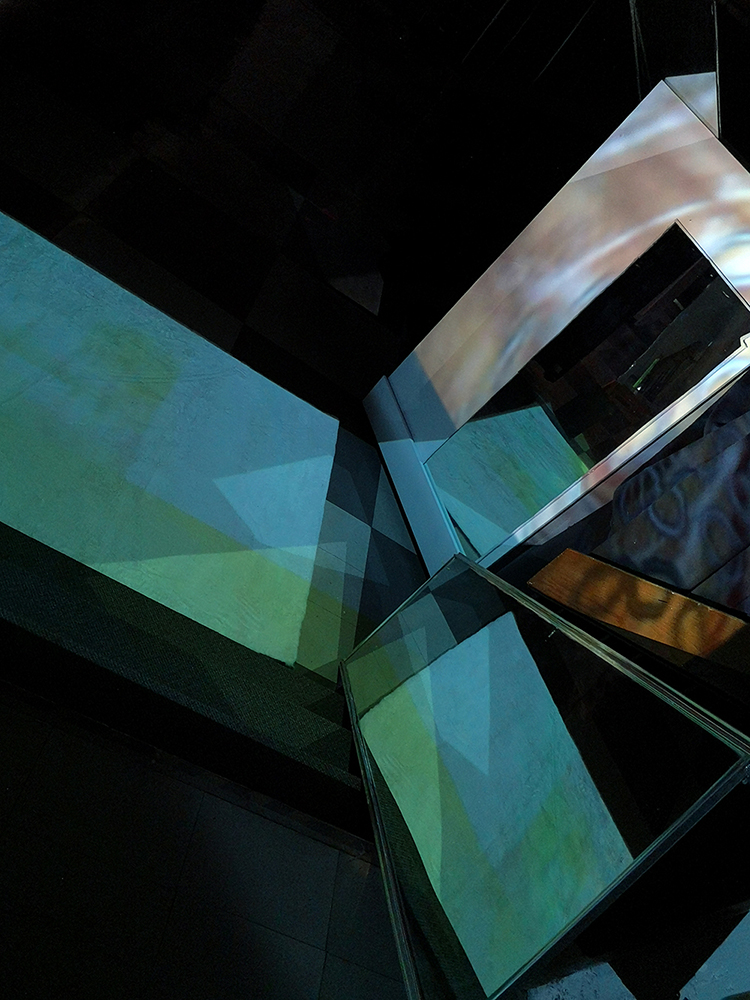
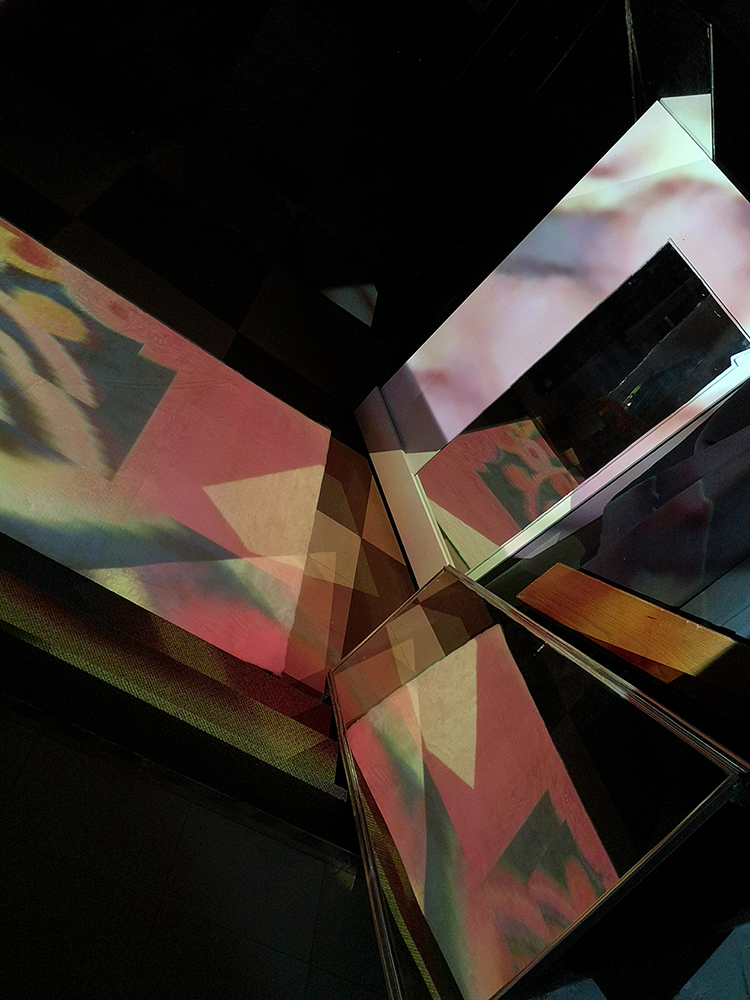
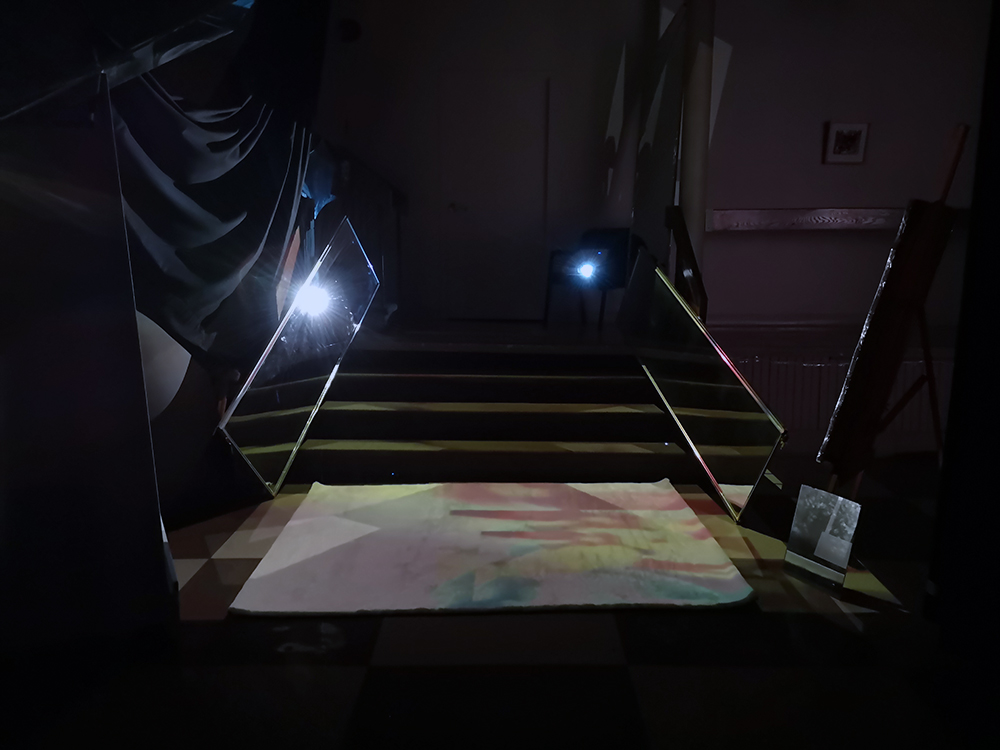
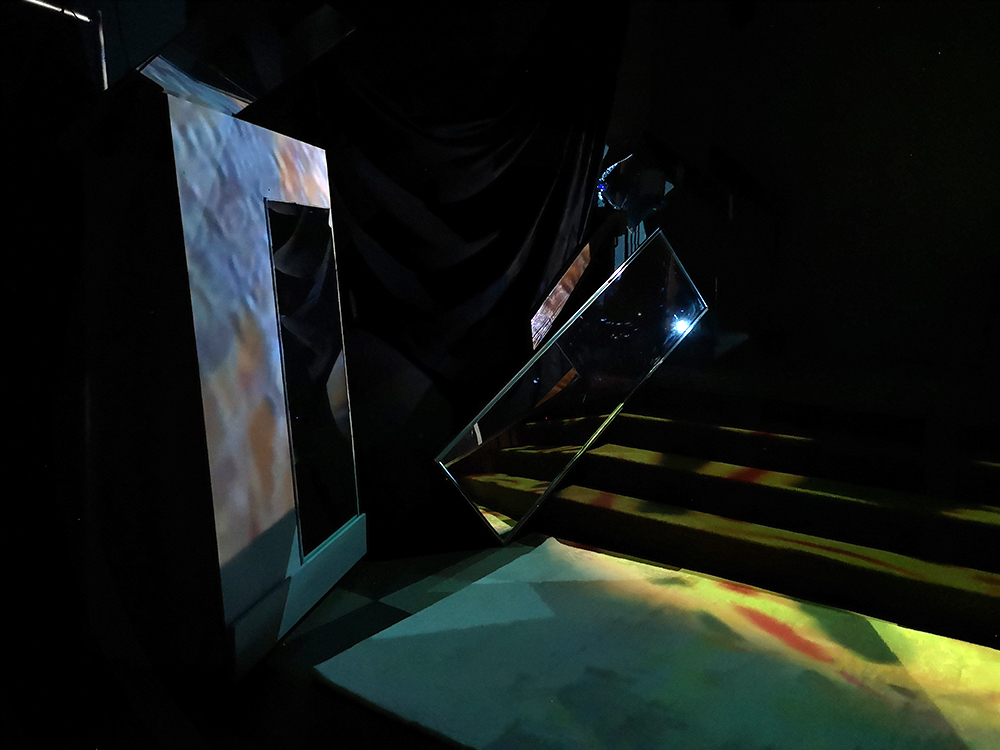
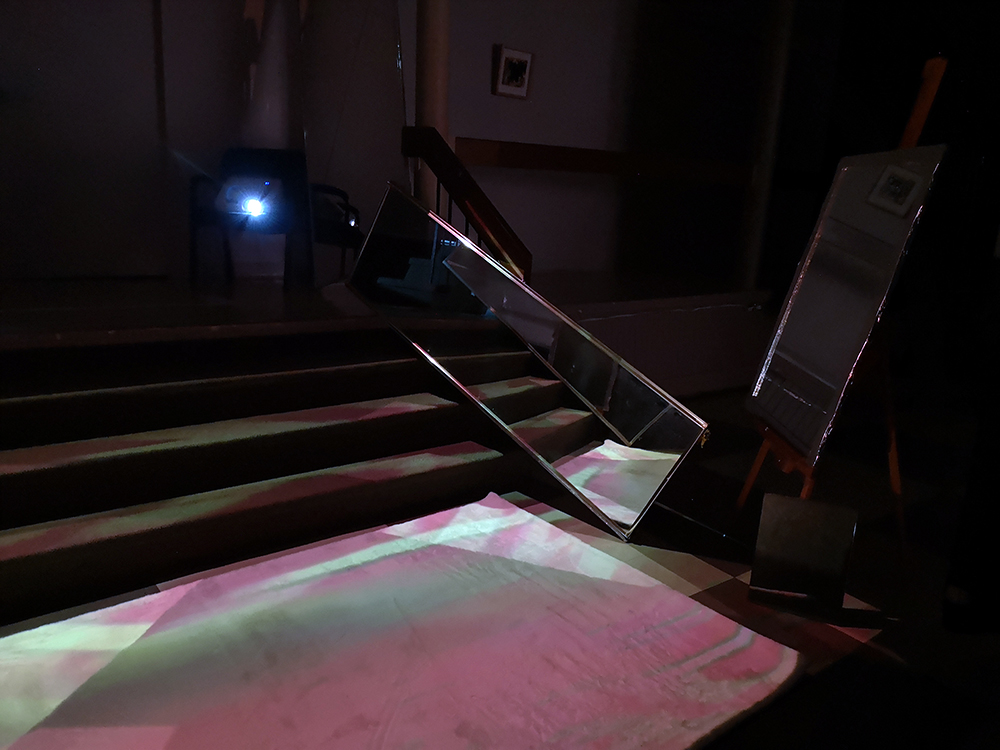
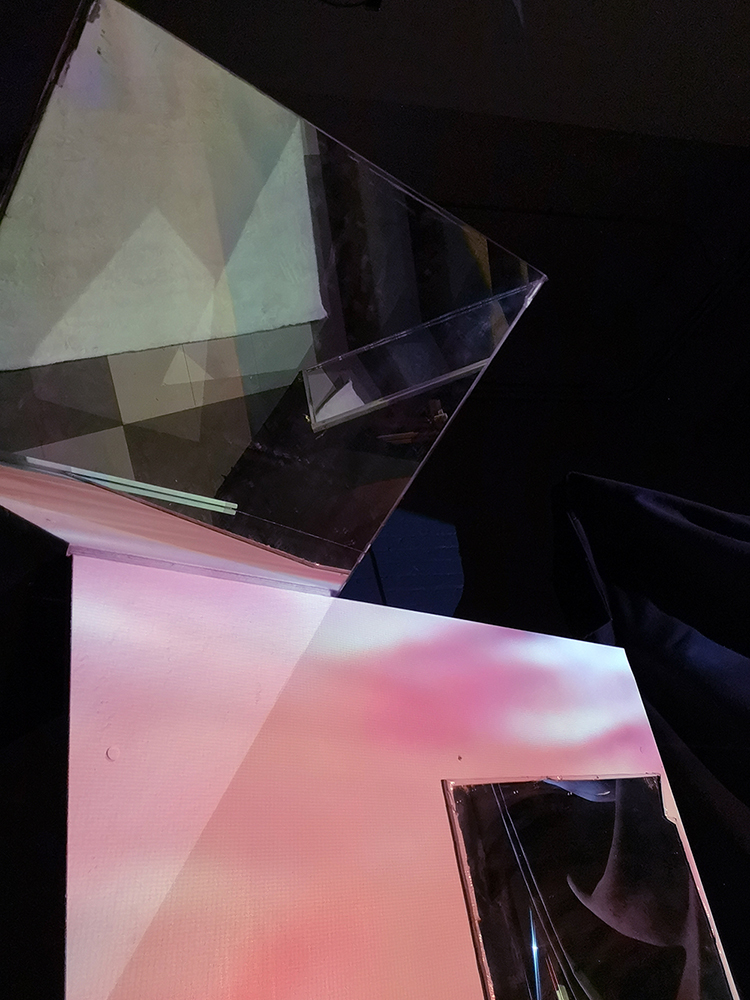
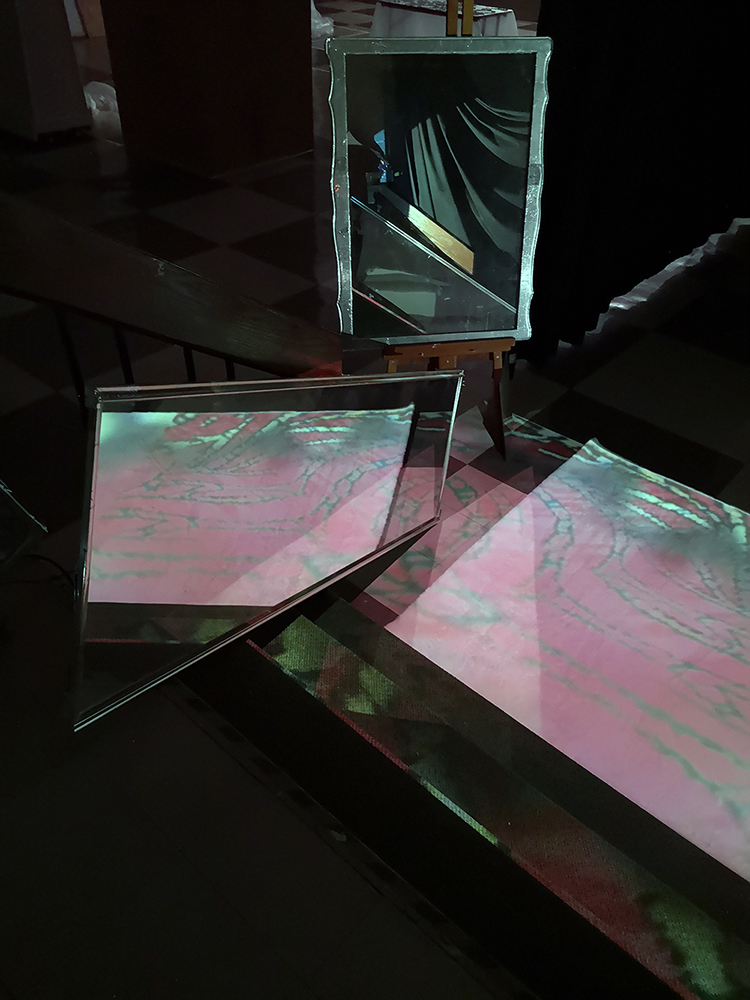
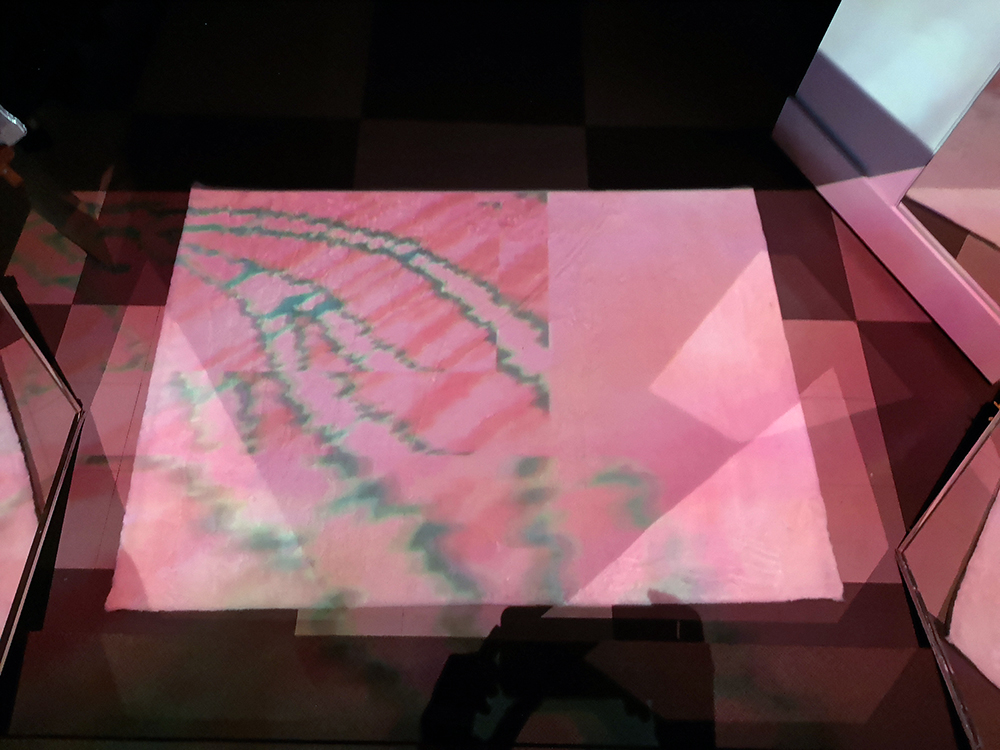
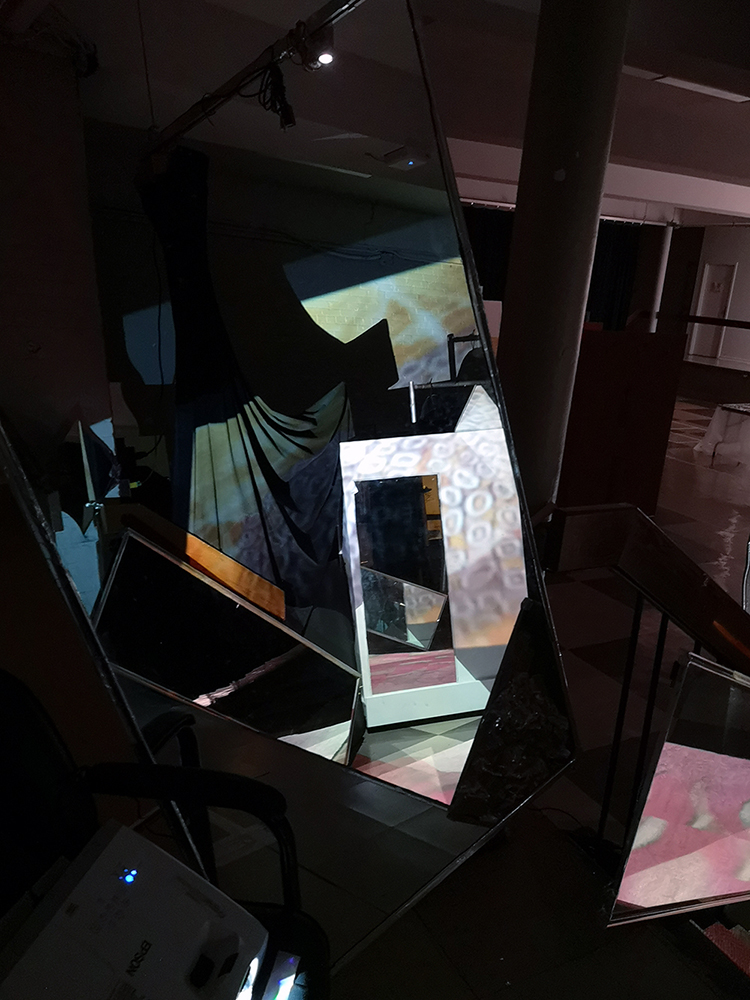
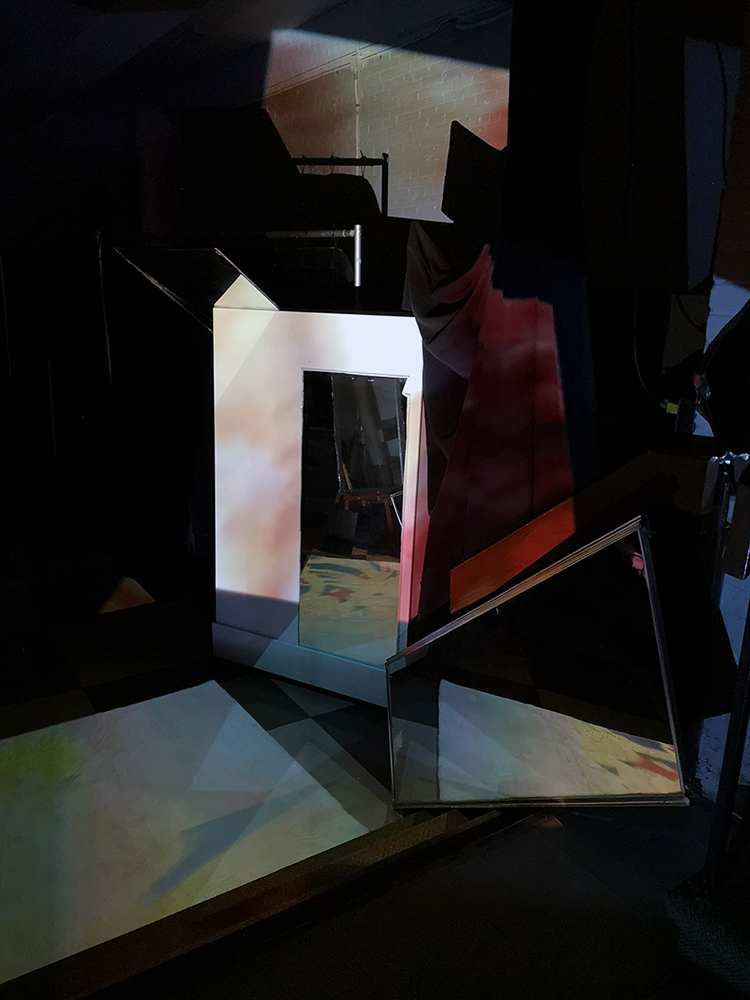
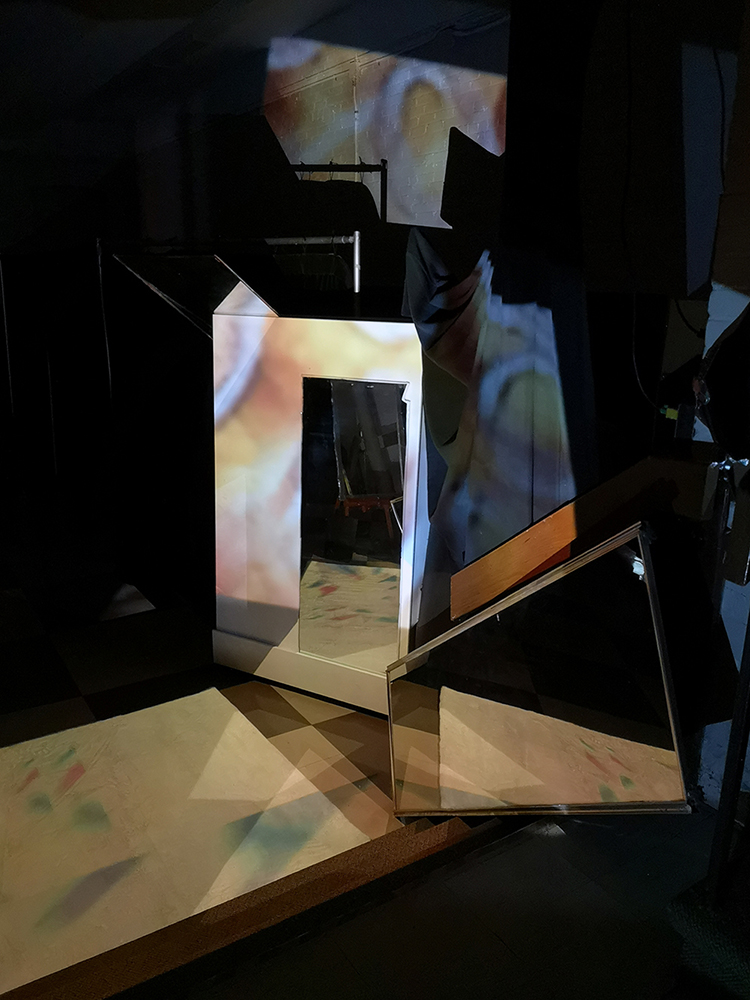
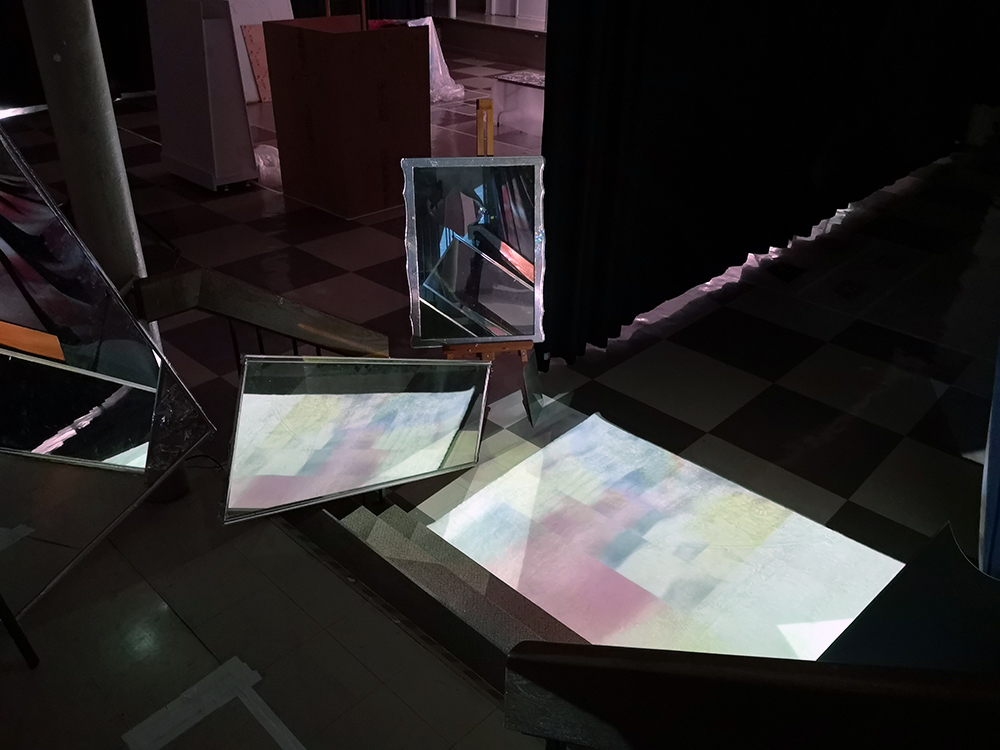
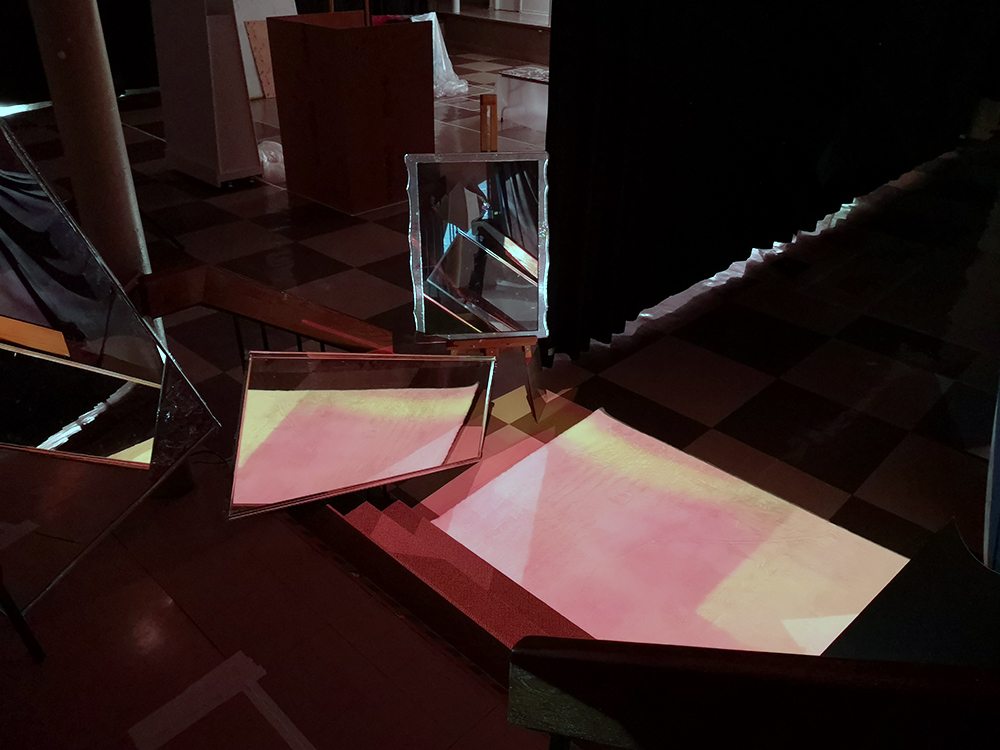
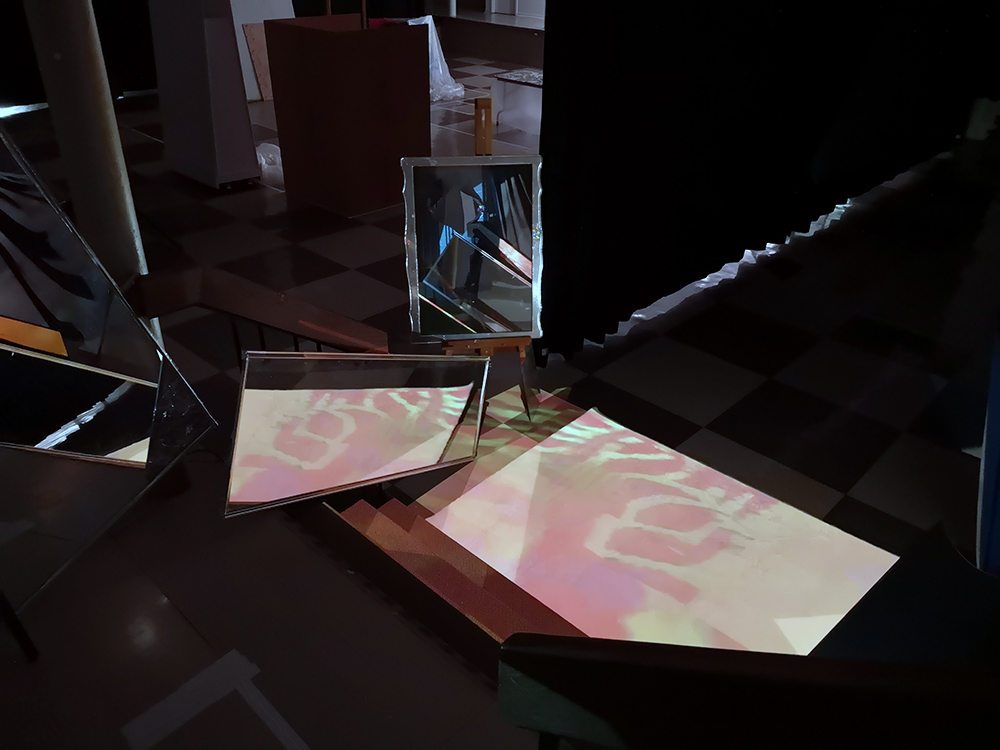
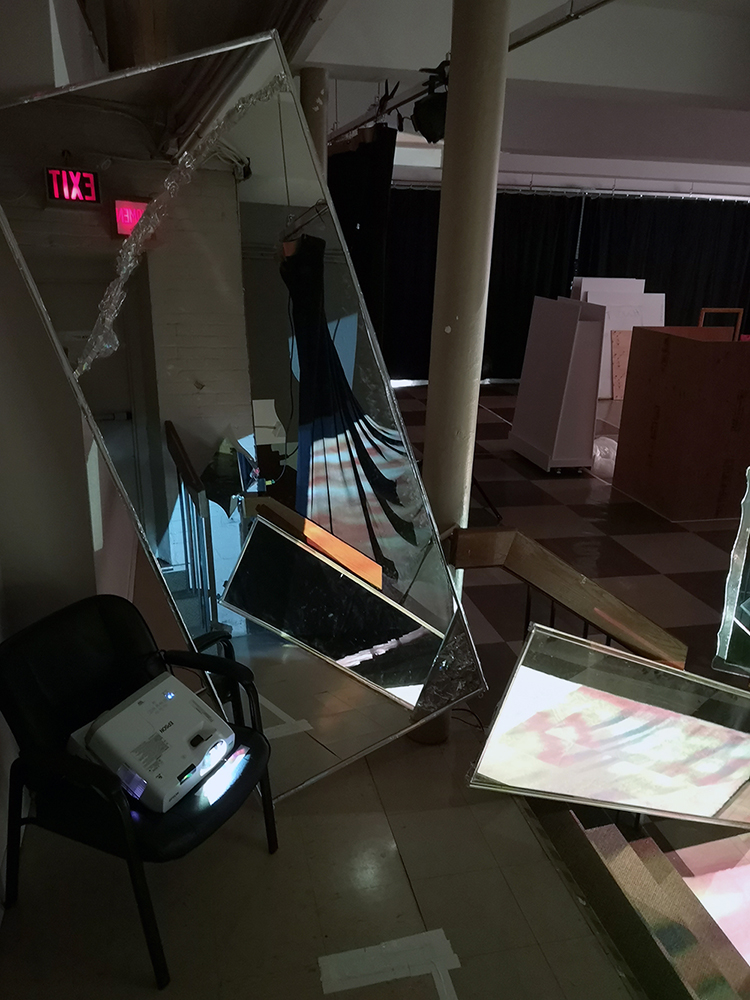
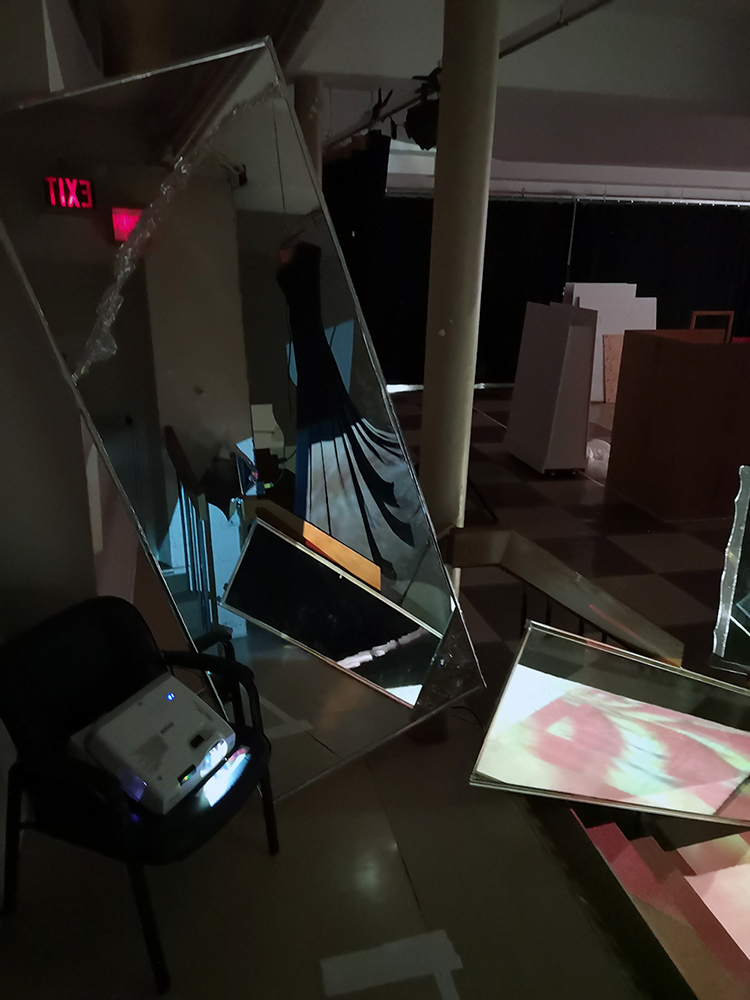
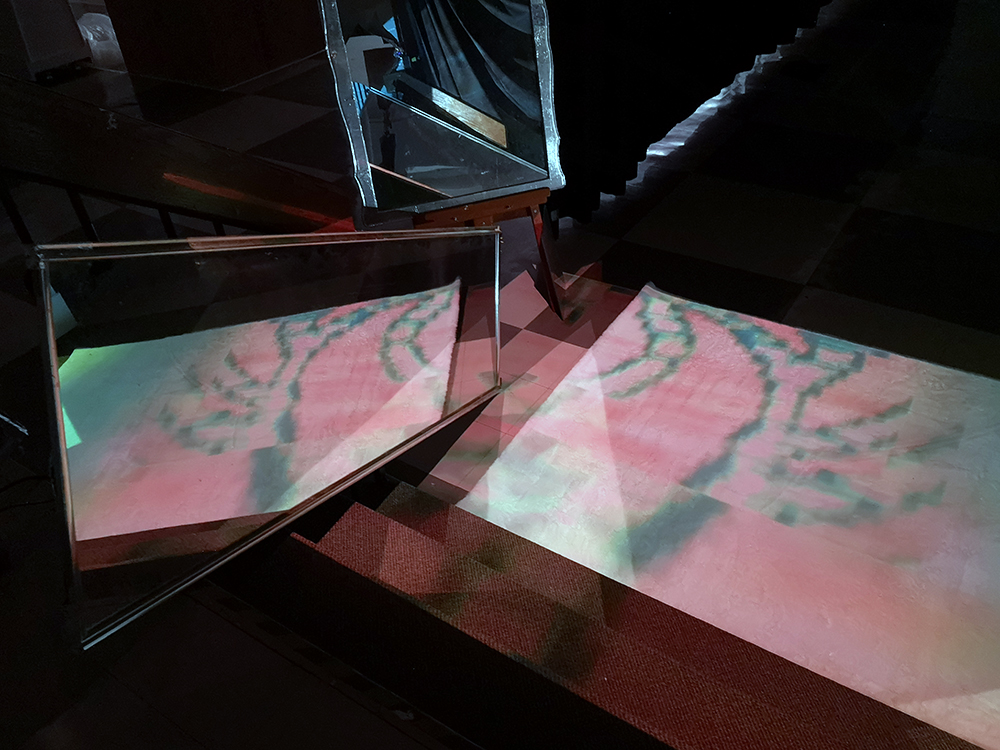
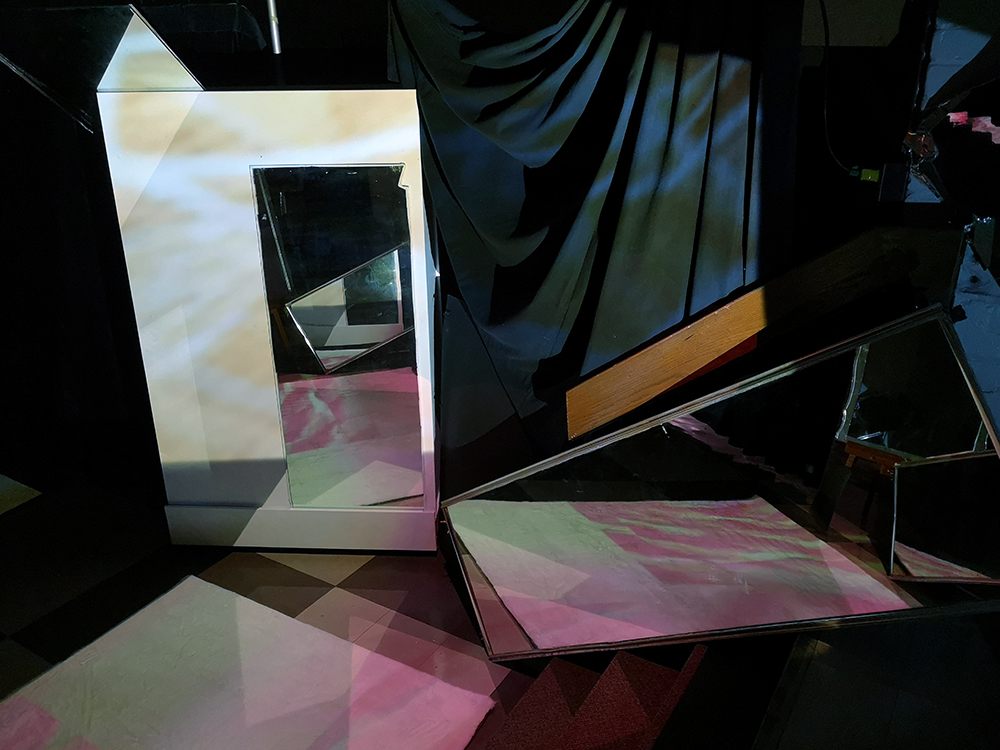
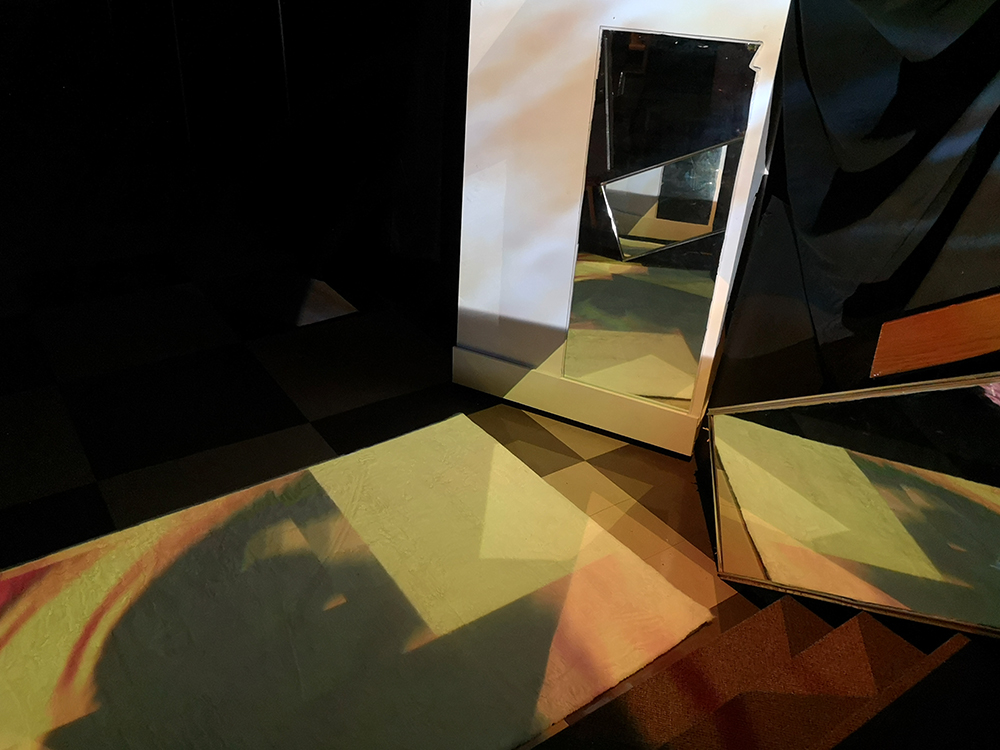
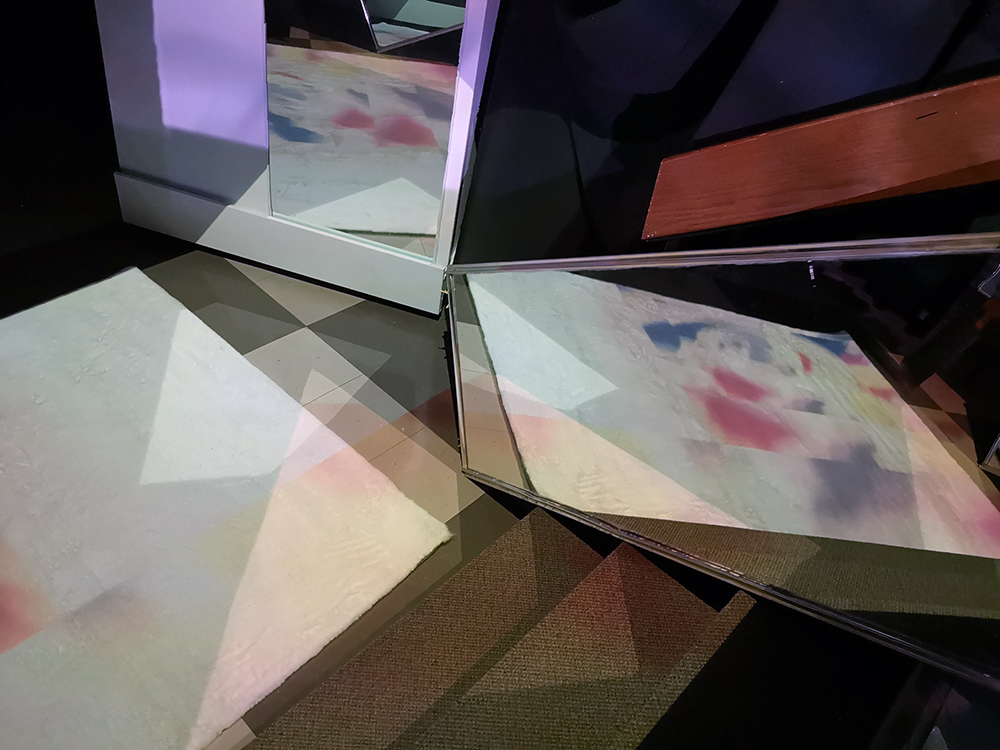
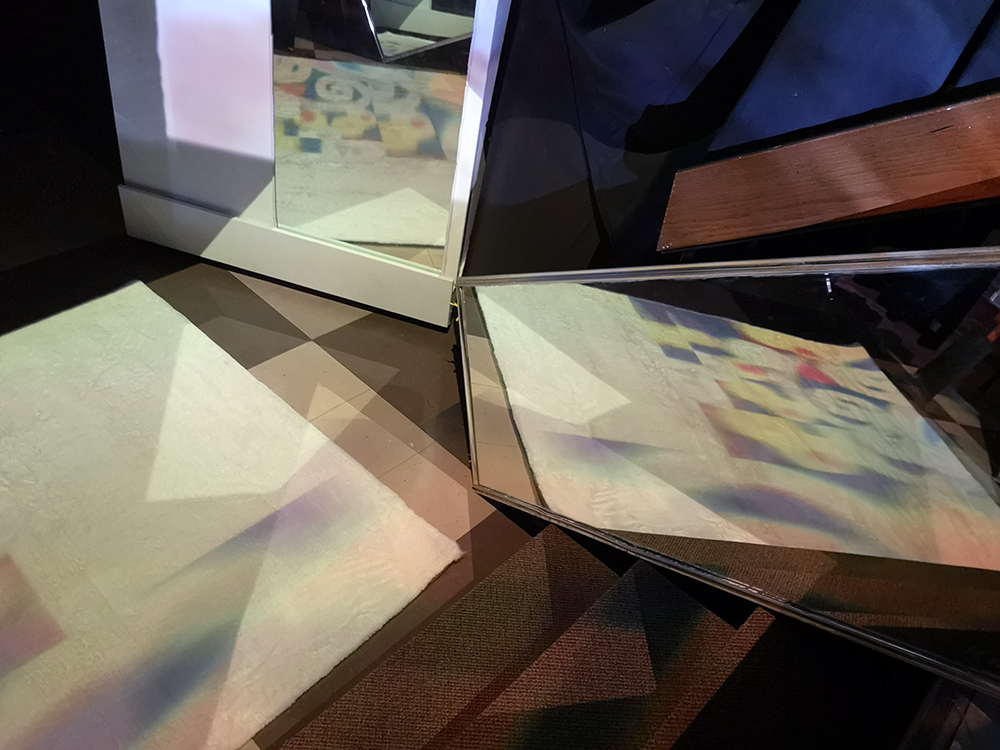
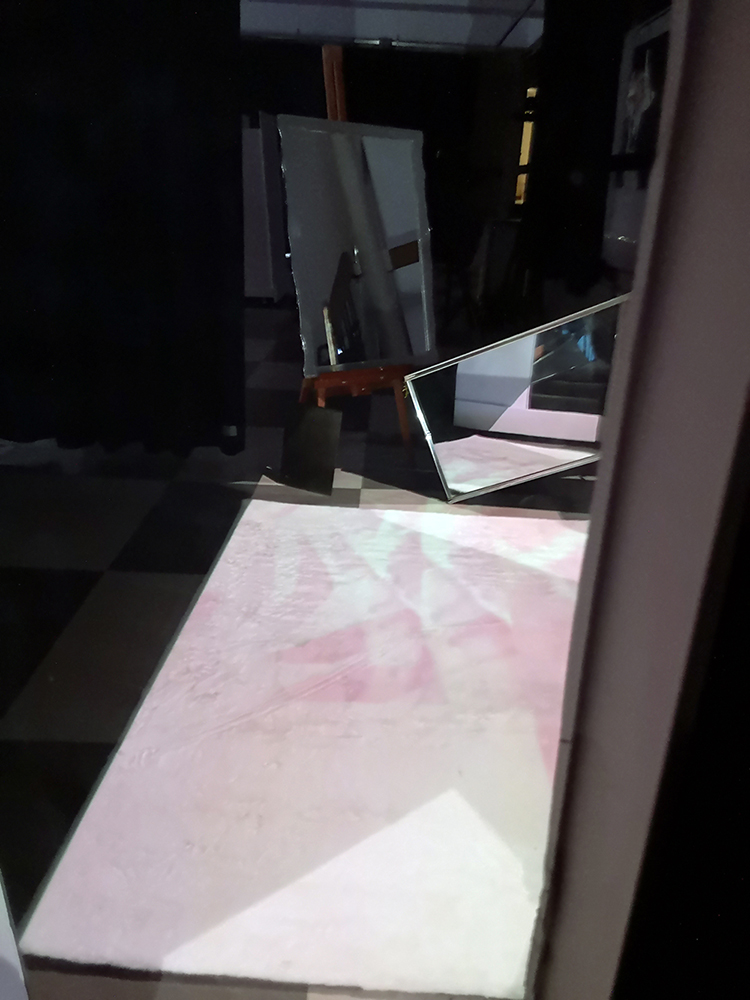
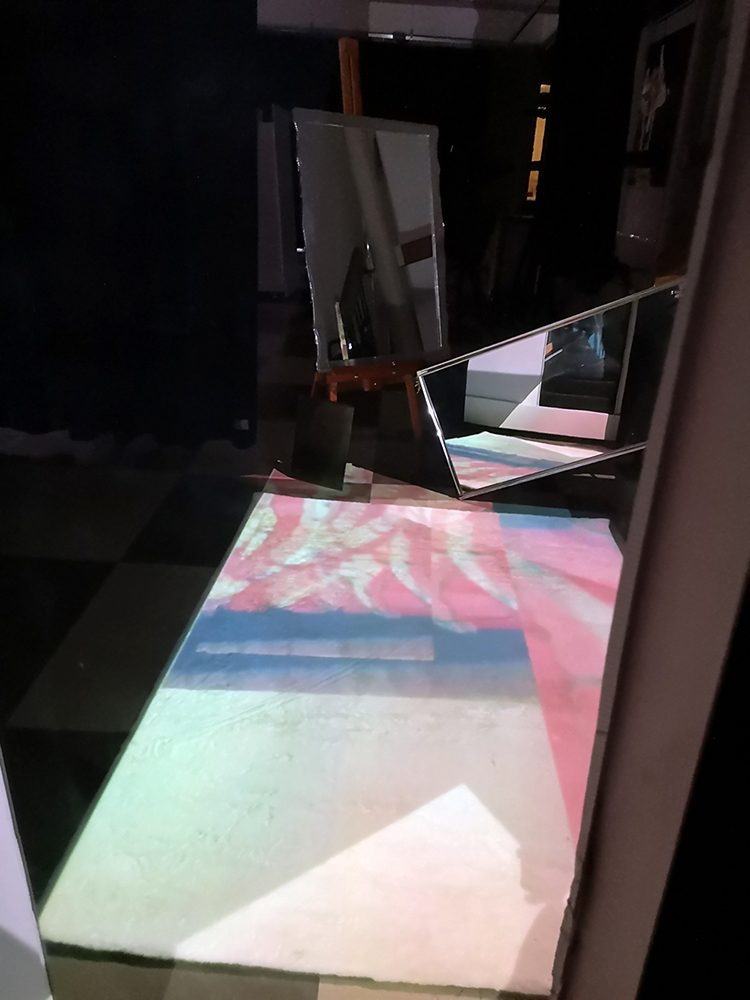
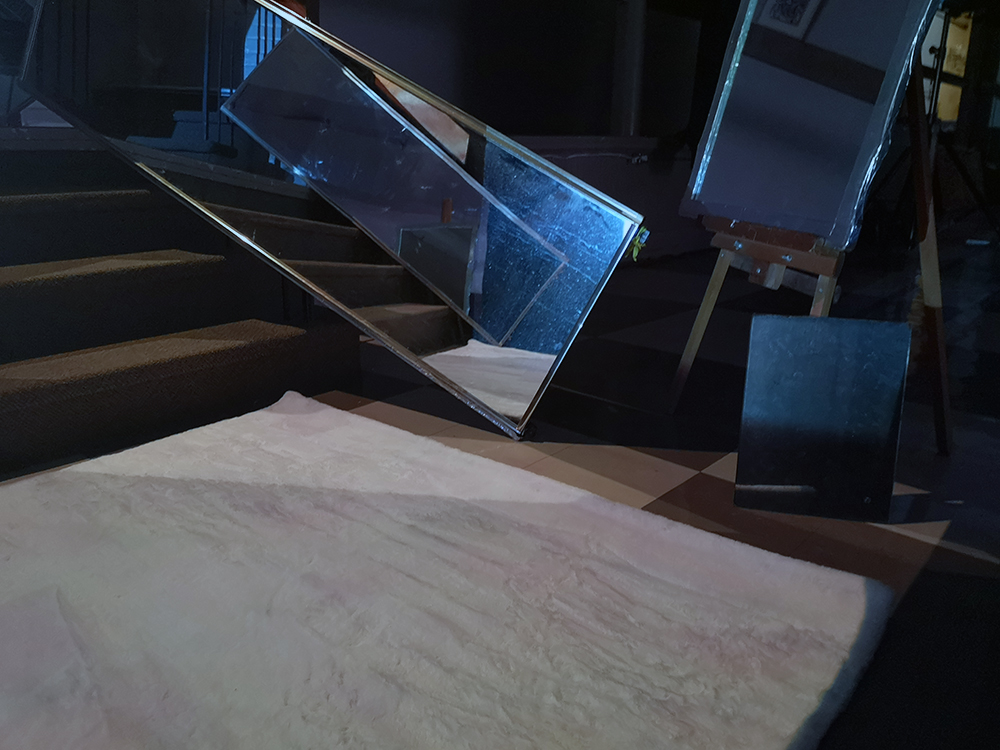
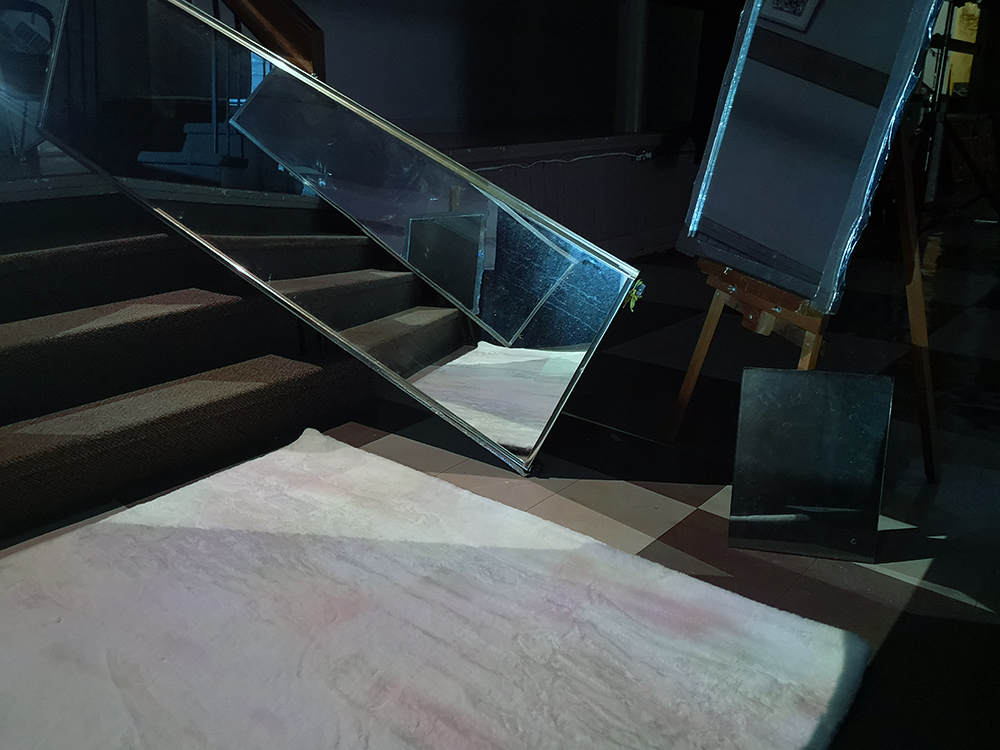
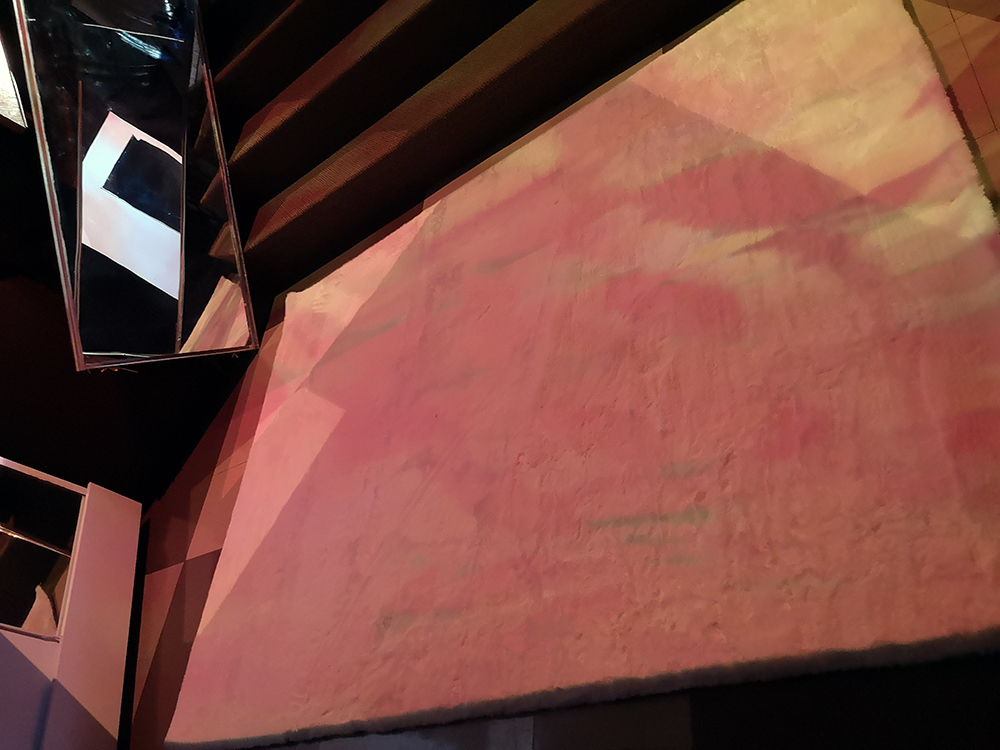
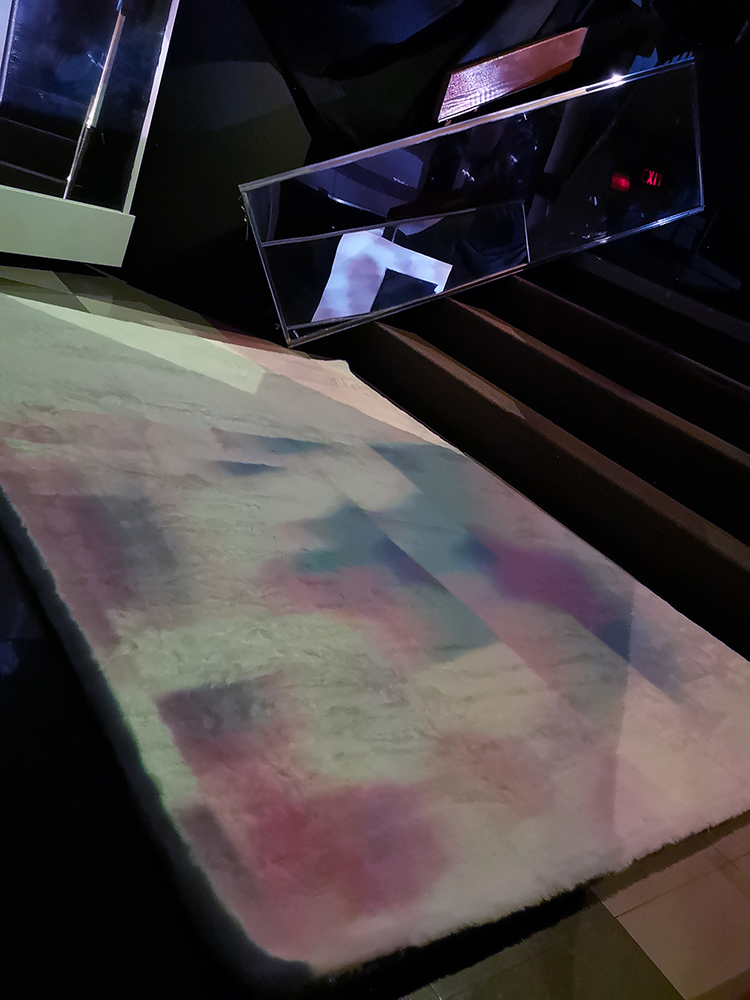
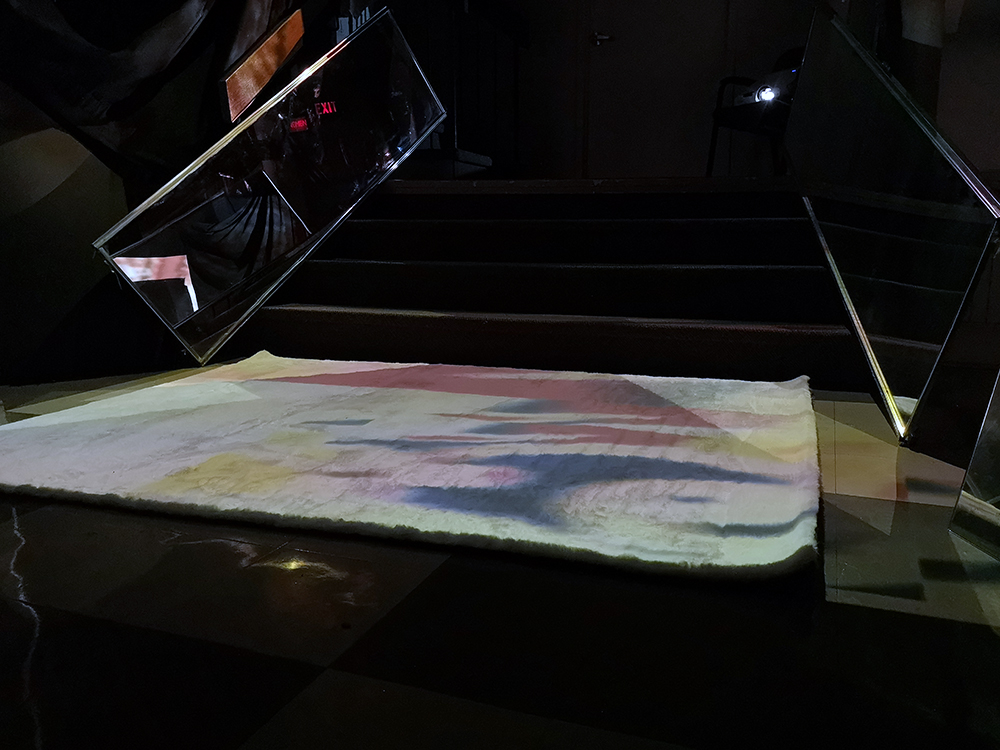
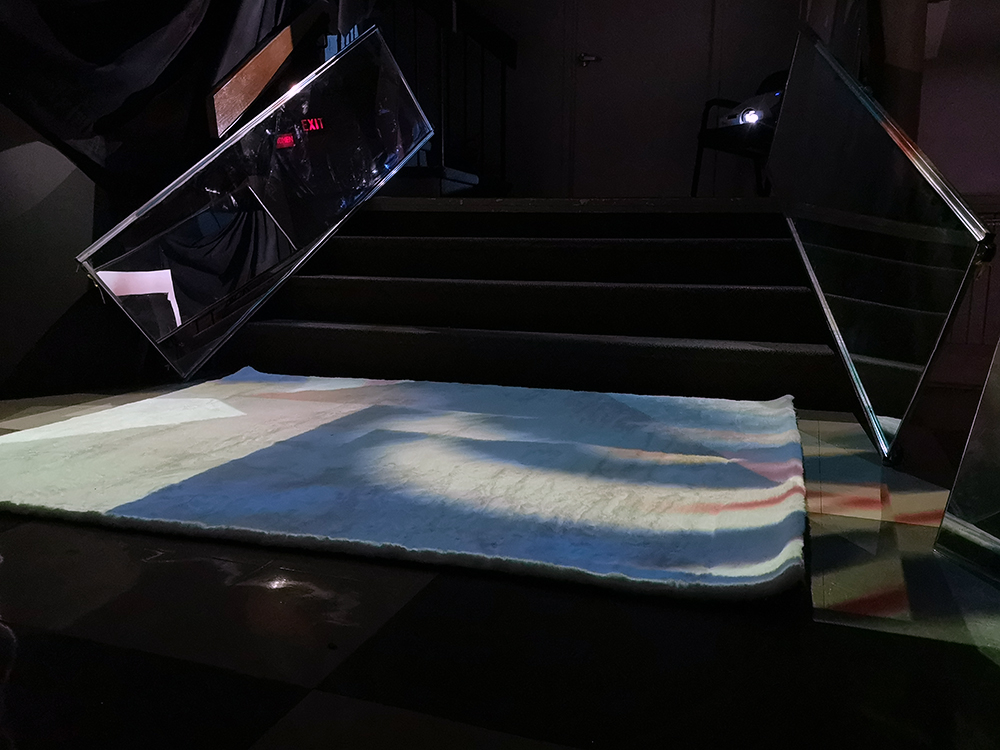
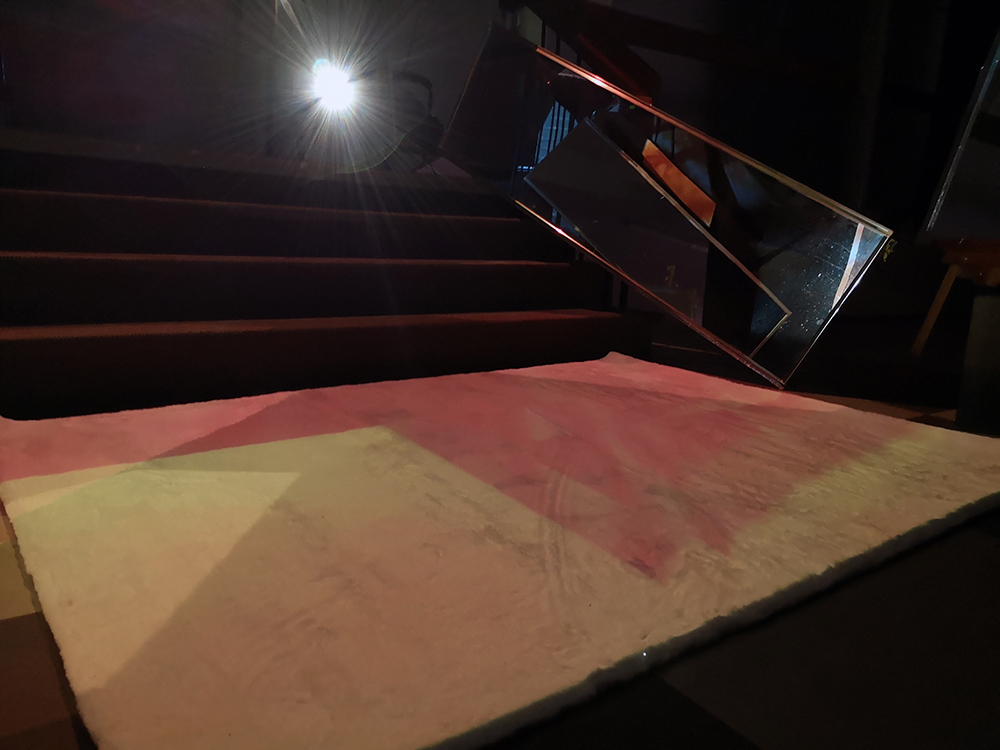
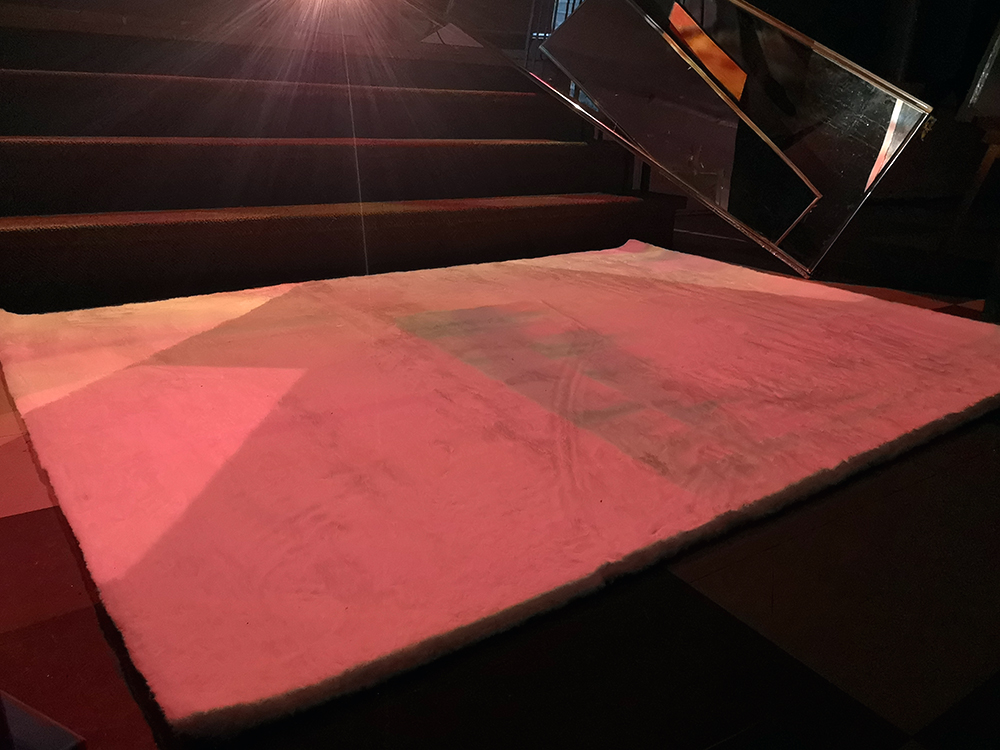
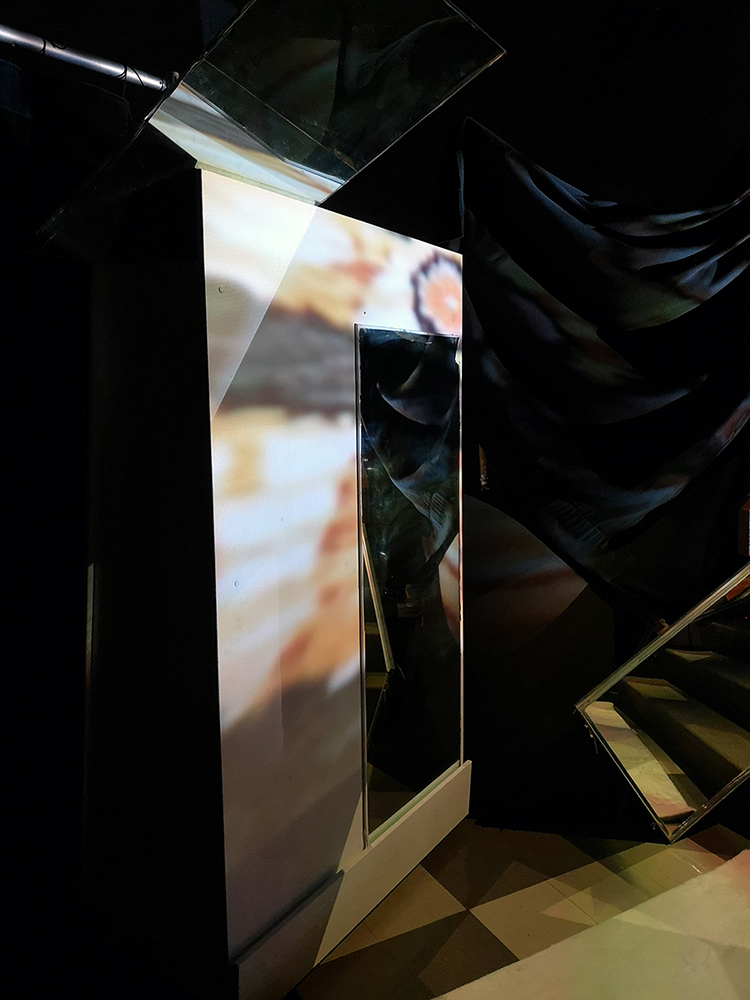
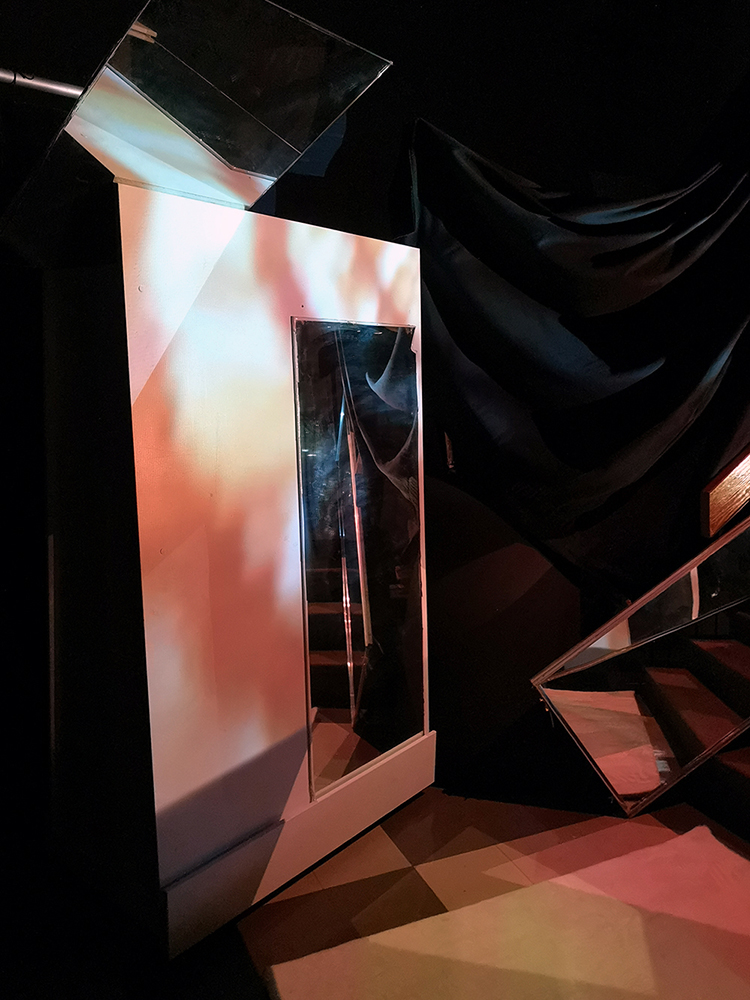
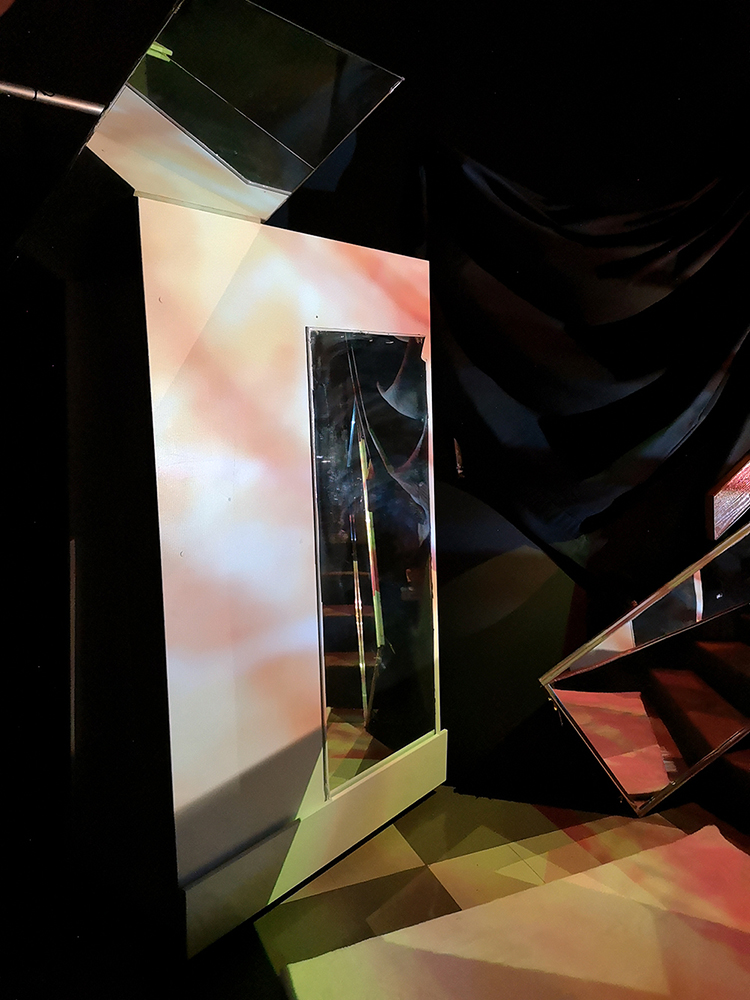
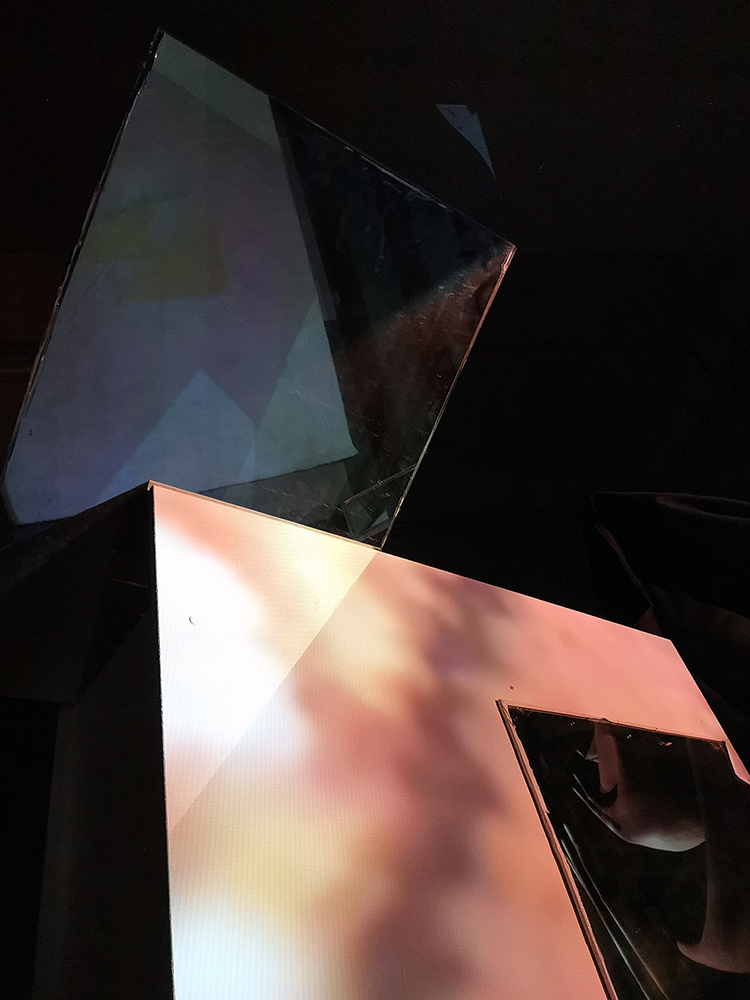
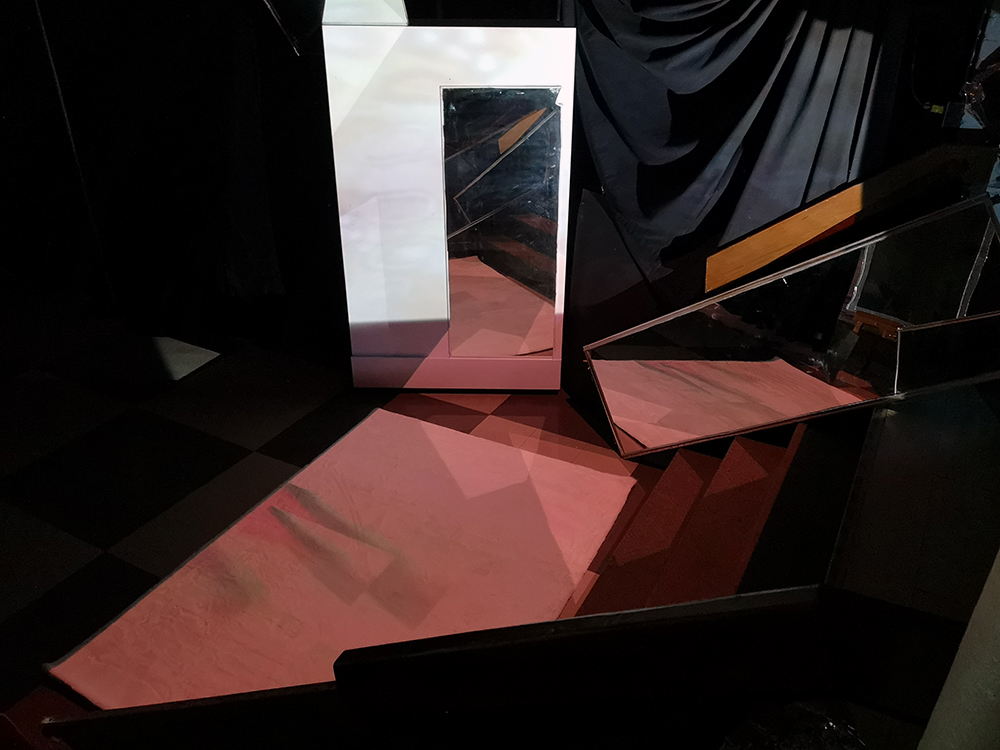
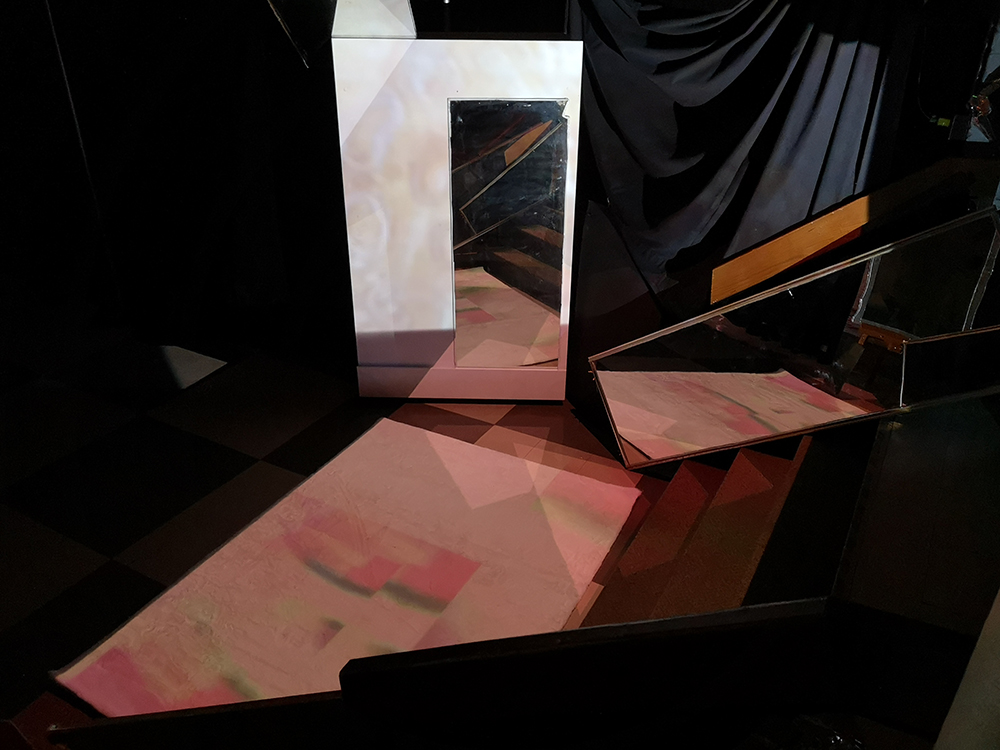
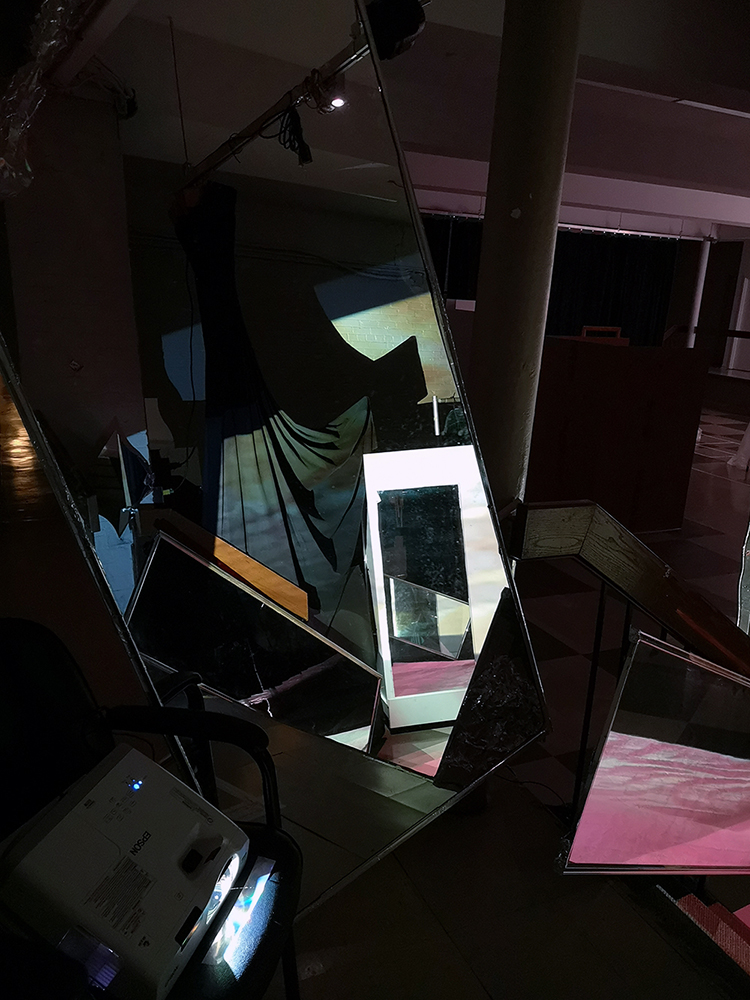
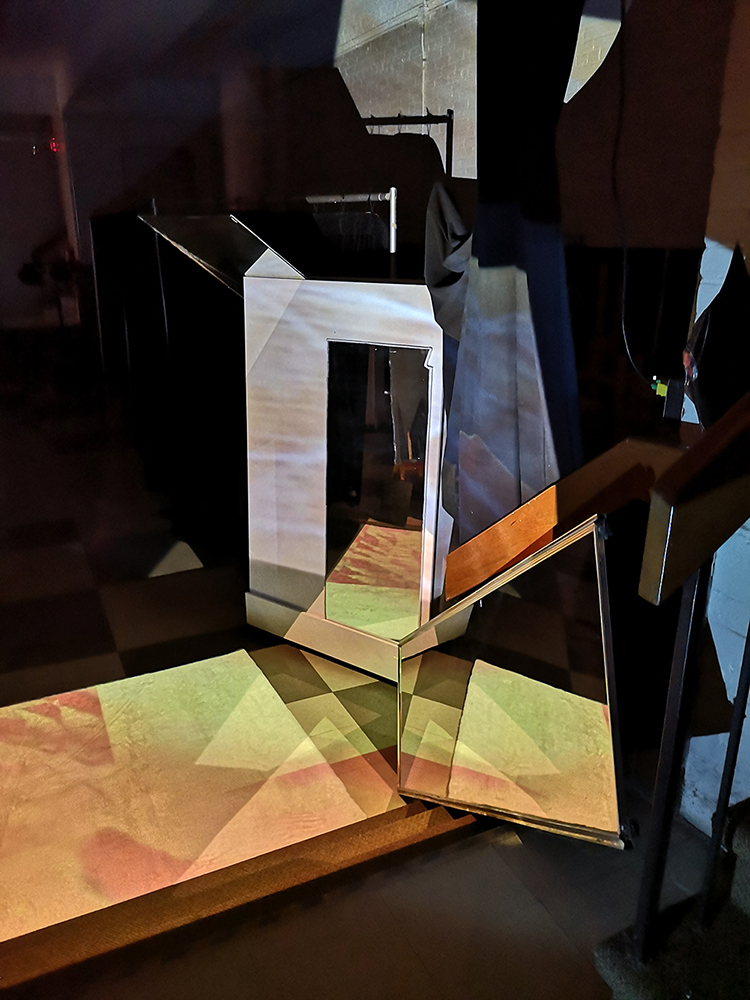
A colourful video projection onto a soft surface, marks the entrance to the installations – a suggestion that the guest, following the arrows, is entering a carnival fun house. A series of drifter dance documentations using hand motions and body movements to respond to and amplify the patterns of found carpets. Taken in the semi-public passageways of hotels— it explores the interpolation of class and the end of conference culture. An act of resiliency, and taking nothing for granted: watching a sunset from a goldfish bowl, spun on a ride at a carnival, your body stays still below, by becoming a blizzard, in an inside out forest. The project celebrates itinerancy of artists, mad folks and other portable persons.
Grey Muldoon (they/them) is a movement artist working primarily out of Toronto / Tkaronto and Halifax / Kjipuktuk. Grey is disciplined in performance and puppetry arts and makes immersive sculptural installations. A proud Workman Arts member, Grey is interested in close observation, picking things up and carrying them gently, and collaborating with clear-voicing and shout-noisilying. Their experience of rare cognitive relational vibrance, a.k.a. Autism, of survival system sensitivity and subtle time injuries, a.k.a complex PTSD, and the discovery of practical imagination technologies via crisises, a.k.a Madness, allows them to make their work.
Images of the Mad Carpets – Hotel Carpet Dance Projections installation in Re:Building Resilience:



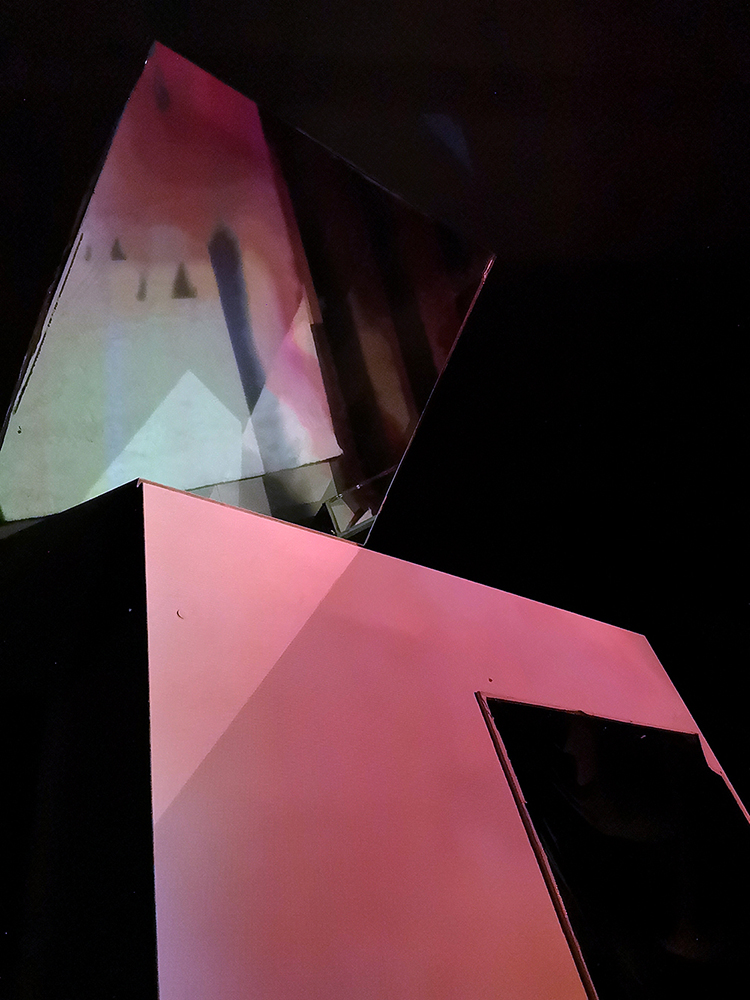
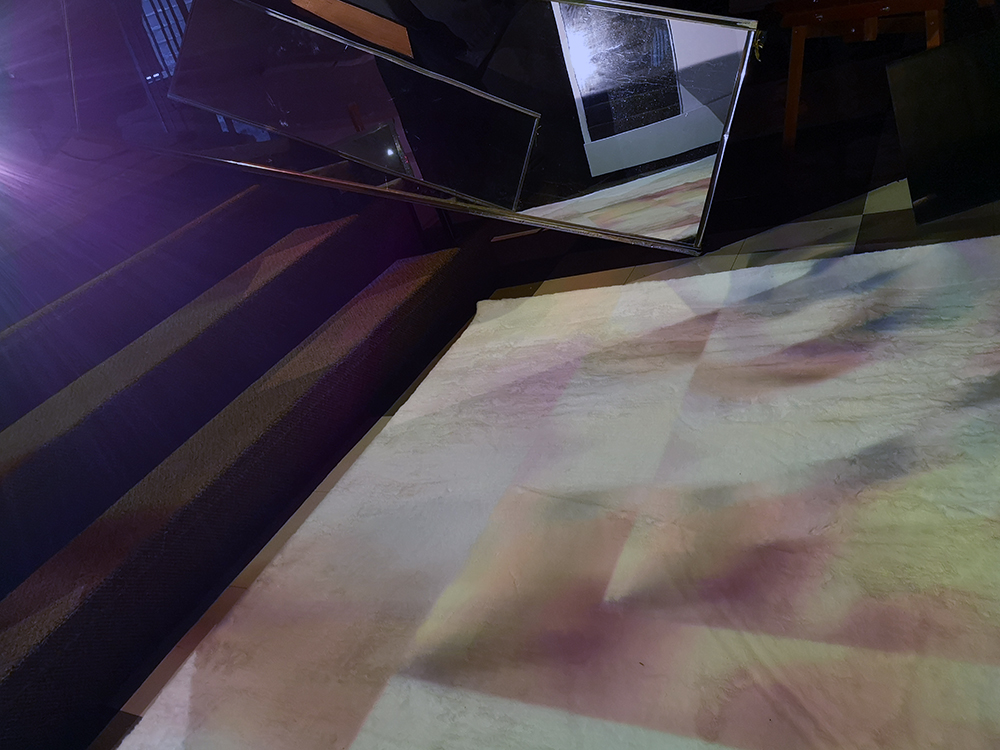
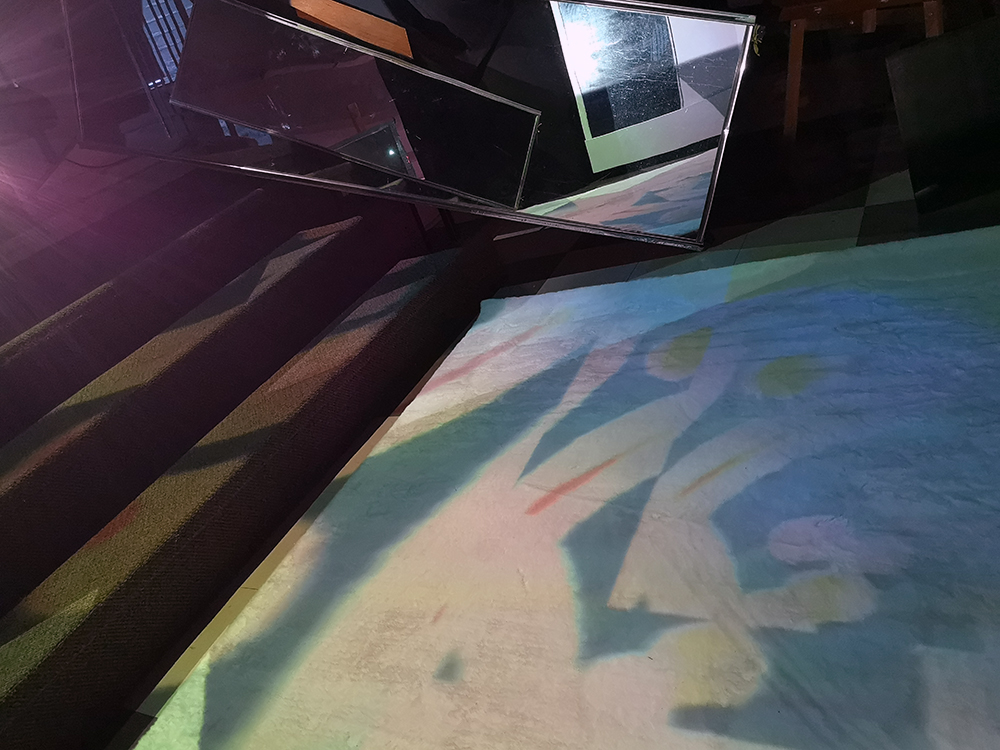
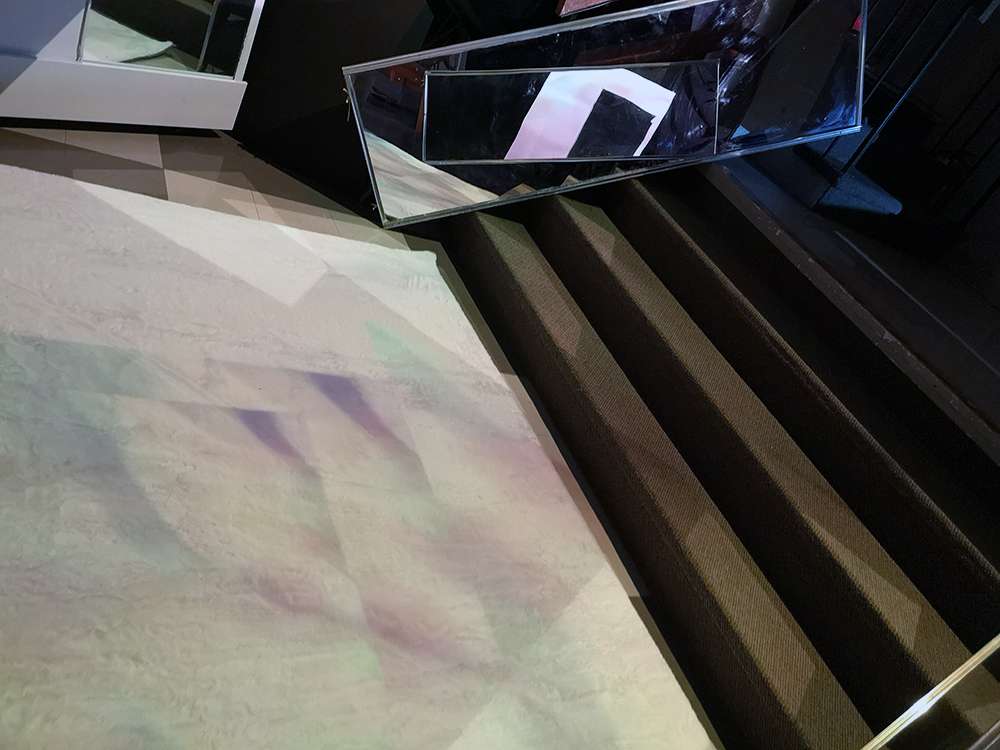

Photos by Paulina Wiszowata
Please Note: There is one virtual ticket available for the entire Re:Building Resilience Exhibition. Whether you’d like to see one project or all of them, you only need to book one ticket to access everything. The exhibition runs October 15-25, and all ticket purchasers will be sent a link to view the virtual content. Any ticket bought prior to October 15 will receive a follow up email on the 15th with the link.
ACCESSIBILITY
Self-Care Kits are available for free curbside pickup to ticket holders. Kits can be picked up from 651 Dufferin Street between the hours of 10AM-9PM, October 15-25. If pickup is not an accessible option for you, contact justina_zatzman@workmanarts.com for accommodation.
ALSO OF INTEREST
كاغذ پاره ها
- Available to stream online: Fri, Oct 23, 7:00pm to Sun, Oct 25, 7:00pm
- اکران آنلاین: جمعه، ۲۳ اکتبر، ساعت ۱۹۰۰ تا یکشنبه، ۲۵ اکتبر، ساعت ۱۹۰۰
- Virtual panel/Q&A: Sun, Oct 25, 7:00pm
- گفتگوی آنلاین/ جلسه پرسش و پاسخ: یکشنبه، ۲۵ اکتبر، ساعت ۱۹۰۰
Streaming of this film is only available to viewers in Canada. Virtual Q&A is available worldwide.
اکران آنلاین این فیلم فقط برای ساکنین کانادا ممکن می باشد. جلسه ی پرسش و پاسخ مجازی برای همگان قابل دسترسی است.
Behzad Nalbandi / 2019 / Farsi with English subtitles / Iran / 62 min / North American Premiere
بهزاد نعلبندی / ۲۰۱۹ / فارسی با زیرنویس انگلیسی / ایران / دقیقه / نخستین اکران آمریکای شمالی
GENRE: ANIMATED, DOCUMENTARY
TYPE: FILM
In preparation for visits from foreign dignitaries, the authorities in Tehran clear the streets of homeless people, sex workers and drug users. Those who get picked up are taken to special detention centers outside the city. Stripped of their rights, dignity and freedom, the authorities hold them there until the outside world’s eyes are directed elsewhere. Then the men are released to go back out onto the streets. But the women are not: instead, they become official state prisoners for life. First time feature film Director Behzad Nalbandi found ways around the official channels and gained access to one of the women’s prisons, where he used a sound recorder to document the harrowing stories of its inmates. Utilizing original stop-motion animation to illustrate the accounts of violence, humiliation, poverty and addiction, as well as the Director’s own impressions of the bleak detention center. Such inventive animation allows Nalbandi to offer these “invisible” women a platform without exposing their identity. What this powerful five-years-in-the-making documentary does reveal is the grim reality concerning the position of women in Iranian society—and these women in particular.
برای بازدید های مقامات عالی رتبه خارجی، مسئولان شهرداری تهران خیابان های شهر را از بی خانمان، کارگران جنسی و معتادان پاکسازی و بازداشت شدگان را به مکانی خارج از شهر انتقال می دهند. محروم از حقوق، عزت و آزادی خود مسئولین آنها را در این اماکن نگه می دارند تا زمانی که دنیای بیرون توجهش معطوف چیز دیگری شود. سپس، مردان آزاد می شوند اما زنان می مانند و تبدیل به زندانیان حکومت برای طول عمرشان می شوند. بهزاد نعلبندی با اولین فیلم بلند خود، به یکی از این زندان های زنان دسترسی پیدا کرده و با استفاده از دستگاه ضبط صدا داستان های دلخراش زندانیان را مستند کرده است. با به کارگیری خلاقانه از تکنیک استاپ موشن، این مستند–انیمیشن وضعیت خشونت، تحقیر، فقر و اعتیاد را در این اماکن به تصویر می کشد. فیلمساز با انتخاب نوآورانه متریال و تکنیک متناسب با موضوع فیلم، فضایی را برای حضور این زنان “نامرئی“، بدون فاش شدن هویت شان فراهم می کند. این فیلم مستند تاثیر گذار که تولید آن ۵ سال طول کشیده است موقعیت ظالمانه و تلخ زنان را در جامعه ایران و بخصوص این زنان زندانی را نمایان می کند.
ACCESSIBILITY
ASL Interpreted, Open Captions, Active Listener

An Active Listener will be available Sun, Oct 25 from 7-9pm to support this program.
Your active listener for this program is Kat.
You can connect with Kat by phone (talk or text) at (647) 474-2338 or by email at katrissing@gmail.com.
CO-PRESENTED WITH
JOIN THE CONVERSATION
Following the screening of The Unseen, join us for a virtual panel with graphic artist and documentary filmmaker Behzad Nalbandi to discuss the addiction crisis in Tehran and the harsh realities of the city’s homeless population. Moderated by representatives from the Intercultural Iranian Canadian Resource Centre.
:در گفتگو همراه شوید
بعد از اتمام اکران فیلم، با ما و هنرمند گرافیست و فیلمساز بهزاد نعلبندی همراه شوید تا بیشتر درباره ی بحران اعتیاد در تهران و واقعیت های سخت جمعیت بی خانمان های شهر بحث و گفتگو کنیم. این جلسه مجازی توسط نمایندگانی از مرکز فرهنگ ایرانی– کانادایی (Intercultural Iranian Canadian Resource Centre) مدیریت می شود.