#skoden

Damien Eagle Bear | 2025 | Canada | Documentary | 76 minutes | English
In partnership with Shkaabe Makwa

KEYWORDS: Internet culture, houselessness, addiction, systemic racism

#skoden tells the story of Pernell Bad Arm, the Blackfoot man behind the infamous “Skoden” meme. What started out as a social media post to bond Indigenous people across Turtle Island over rez slang and relatable uncle material opened our eyes to something much more: a man whose life on the streets became a mockery to some and a figure of Indigenous empowerment to others but was most beloved by those who knew him personally. Damien Eagle Bear’s heartfelt and compassionate documentary humanizes the man behind the image, sharing stories from Pernell’s family and friends about his life and struggles, and serves as an anecdote to a bigger issue — the harsh reality of street life for many Indigenous people living in urban centres across so-called Canada.

WITH SHORT FILM ——— The Fourth World Problems Collective—— Kira Doxator | 2024 | Canada | Fiction | 7 minutes | English

On a cold Toronto night, a tight-knit collective of friends embark on an unusual mission—tapping maple trees in their neighborhood. A simple act becomes a reflection on belonging and tradition.

Kira Doxtator is an Anishinaabe, Oneida, and Dakota filmmaker exploring Indigiqueer identities, land relationships, and Indigenous futurisms through impactful storytelling and industry advocacy.

FEATURING POST-SCREENING DISCUSSION

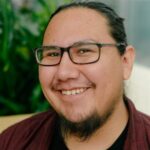
Niitsitapi, amateur physicist, frybread-eating machine, Damien Eagle Bear is a multifaceted filmmaker from the Kainai First Nation of the Blackfoot Confederacy. His career began with the short experimental documentary Napi, which asks the question of what will happen when the Blackfoot trickster gets behind the camera. Damien has gone on to produce, direct and write short films, web series and documentaries that have played at film festivals across both Canada and the United States.  Damien continues to expand his horizons with work that explores the themes of belonging and Indigenous resiliency.

Lindsay Monture is Mohawk, turtle clan from Six Nations of the Grand River Territory. A graduate of York University’s Film and Media Studies program, Lindsay has worked in the media arts sector for over 15 years. Throughout her career she has followed her passion for the arts, culture, language and education. Her desire to work with Indigenous communities has been enriched through opportunities to work with non-profit organizations such as; Kaha:wi Dance Theatre, Native Earth Performing Arts, Maoriland Film Festival, Revolutions Per Minute, Woodland Cultural Centre and Indigenous Climate Action. Lindsay is currently the Artistic Director for the imagineNATIVE Film + Media Arts Festival.

STREAMING NOVEMBER 3-15 ACROSS ONTARIO

Get Tickets
ACCESSIBILITY
CO-PRESENTED BY
imagineNATIVE logo
PREVIOUSLY SCREENED AT
imagineNATIVE logo
Hot Docs logo

In person screening — Saturday, November 5th at 7 PM
Camh Auditorium 
1025 Queen Street West, Toronto

Streaming across Canada October 27th to November 6th

WHEN WE REACH OUT, WHO SHOULD RESPOND?

Luke Galati | 2022 | Canada | 57 Minutes | English | 

Saturday, November 5th at Rendezvous With Madness come enjoy an in-person screening of the film When We Reach Out, Who Will Respond directed by Luke Galati.

After the film, stay for a dynamic conversation about police brutality and mental health crisis response as it relates to the city of Toronto and its community.

Featured speakers: Luke Galati, activist Desmond Cole, Director & Principal Consultant at Policing-Free Schools Andrea Vásquez Jiménez and the manager of the Toronto Community Crisis Service pilot at Gerstein Crisis Centre Andrea Westbrook; conversation moderated by Asante Haughton.

Toronto filmmaker Luke Galati’s documentary When We Reach Out, Who Should Respond? was born out of a tense interaction he had with police during a bipolar episode. In the documentary, he follows his own mental health journey in an effort to change emergency response and to end mental illness stigma.  

The film spotlights the Toronto Community Crisis Service, a pilot service responding to mental health-related calls with nurses and crisis workers, rather than police officers. When We Reach Out, Who Should Respond?  examines the need for alternative crisis response models through a series of interviews with politicians, activists, and crisis workers advocating for change. Galati’s thoughtful documentary invites audiences to engage in a necessary conversation about compassionate alternatives to police intervention during a mental health crisis.

Screening with
Hanging On | Alfie Barker | 2021 | United Kingdom | 16 minutes | English
A creative documentary spotlighting the strength of a community united when faced with eviction.

For accessibility When We Reach Out, Who Will Respond is also available online via Workman Arts & Cinesend from October 27th to November 6th 2022

Keywords: Police Violence | Bipolar Disorder | Systemic Racism | Class
Genre: Documentary (feature) Documentary (short)
#RWMFEST #MoreThanRebellion